
 What first drew you to science, fisheries, or the ocean?
I did not originally set out to work in ocean science. My path toward this field came more gradually, through place, responsibility, and meaning rather than a single childhood calling. When I arrived in Guadeloupe, I lived in Vieux-Fort, a very small town at the southern tip of the island, where the Atlantic Ocean meets the Caribbean Sea. Coming from Europe, this location felt symbolic — standing at a crossroads between two worlds. Choosing to “turn toward the Caribbean” was both a personal and professional decision. Working with SPAW RAC as the protected areas Officer, I became deeply engaged in the reality that, in the Caribbean, the ocean is not an abstract concept. It shapes livelihoods, cultures, food security, and identities. Supporting marine protected areas and building a regional network of managers under the SPAW Protocol became a concrete way for me to contribute to protecting the planet, which has always been my core motivation. That is when this path began to truly matter to me — not because of the ocean alone, but because caring for it means caring for the people and ecosystems that depend on it every day.
What part of your work makes you feel proud or hopeful?
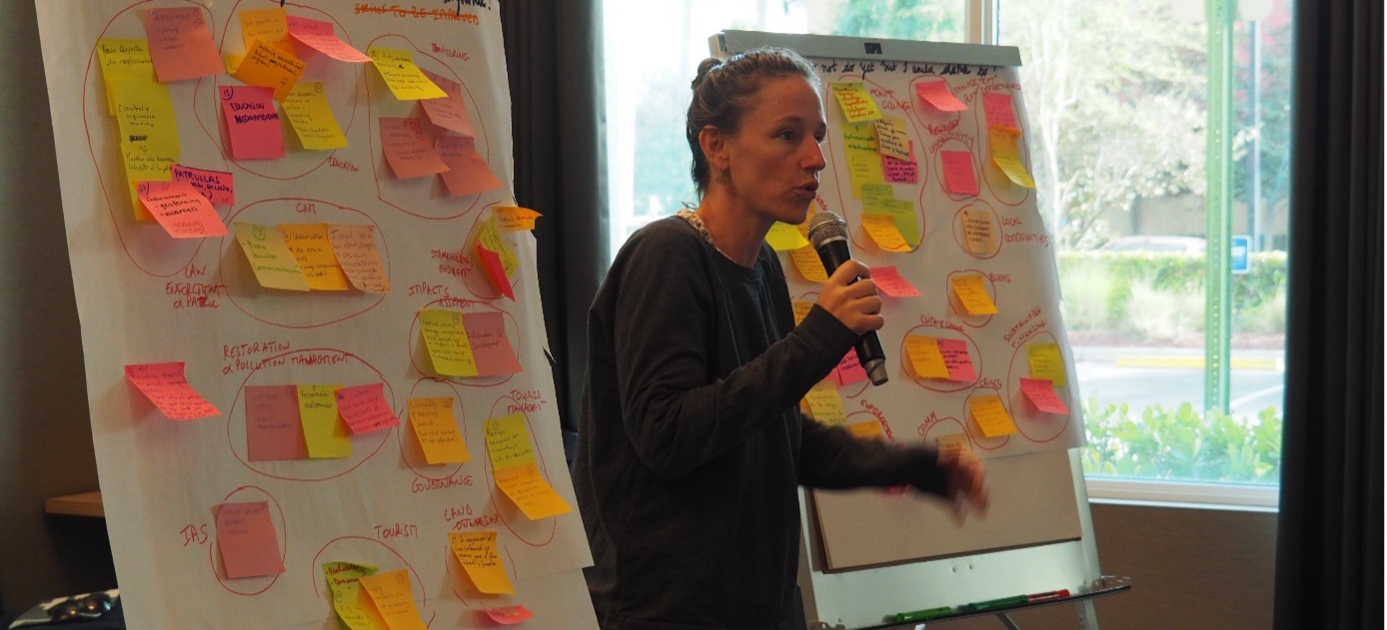
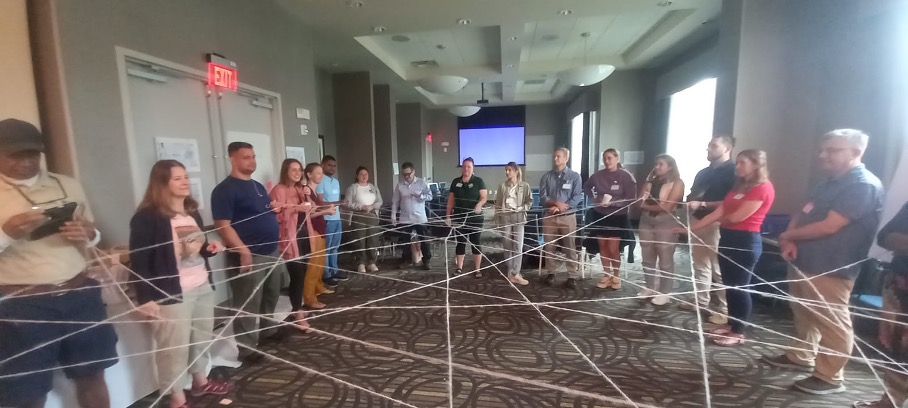
What gives me hope in my work is the power of connection between people. Through my work at SPAW RAC under the SPAW Protocol, I have focused on building networks among managers of protected areas across the region. Many of them work often with limited resources, facing similar challenges without always knowing they are not alone. Seeing these individuals connect, exchange knowledge, support one another, and think collectively has been one of the most encouraging aspects of my work. This kind of collective intelligence creates resilience. When people learn together, share failures as well as successes, and build trust across borders, they become better equipped to care for the ecosystems they are responsible for. In that sense, creating strong human ecosystems is essential to sustaining ecological ones — and that is what keeps me hopeful and motivated.
What are some of the most significant challenges women or girls face in science in your context?
In my context, one of the main challenges for women in science is not a lack of competence, but a lack of visibility and access to decision-making spaces. Many women carry heavy workloads and responsibilities, yet their expertise is still too often under-recognized, especially in leadership and regional or international processes.
What is one way organizations like GCFI could help women and girls feel more welcome, supported, or visible in fisheries and marine science?
Organizations like GCFI can play a key role by creating intentional spaces for peer exchange, mentoring, and collaboration, where women are not only invited but actively supported to share knowledge and lead. Making women’s expertise visible through networks and collective platforms helps build confidence, legitimacy, and long-term inclusion in the field.
What message would you share with girls considering a career in science or fisheries, especially those who may doubt they belong?
There is no reason science or fisheries should not be accessible to you. Many of the barriers you may face come from social expectations — and sometimes from doubts we internalize — but they do not define your ability or your place. You belong wherever your curiosity, commitment, and sense of purpose lead you. Go for it!