
 What first drew you to science, fisheries, or the ocean?
As a Colombian woman from the Caribbean region, my professional path has been deeply influenced by a lifelong connection with the ocean.
What part of your work makes you feel proud or hopeful?
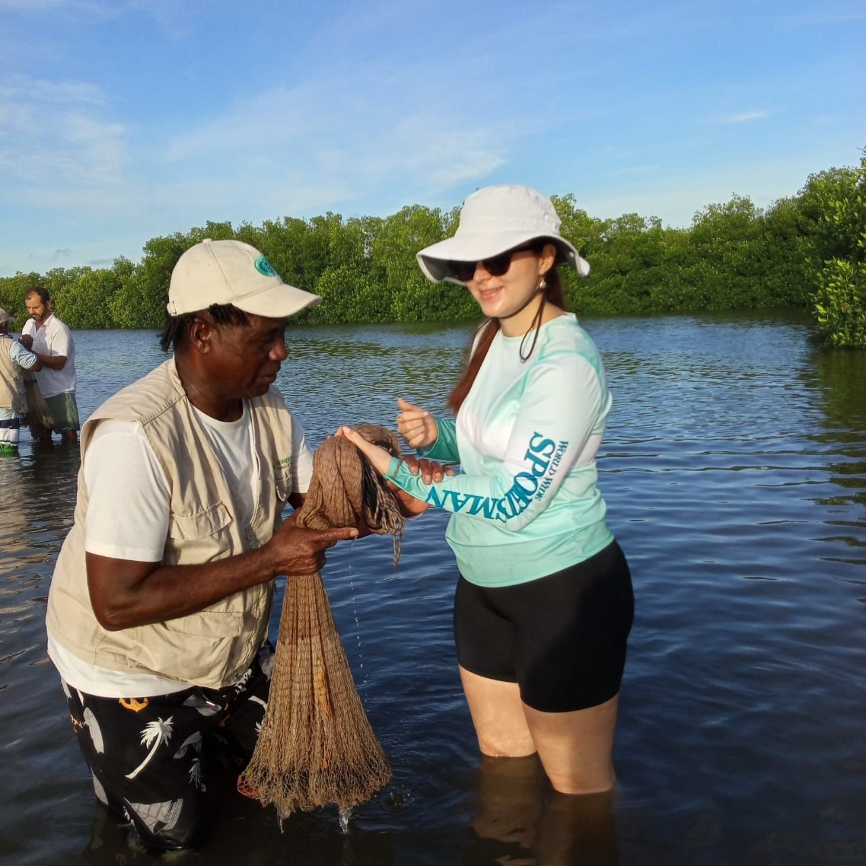
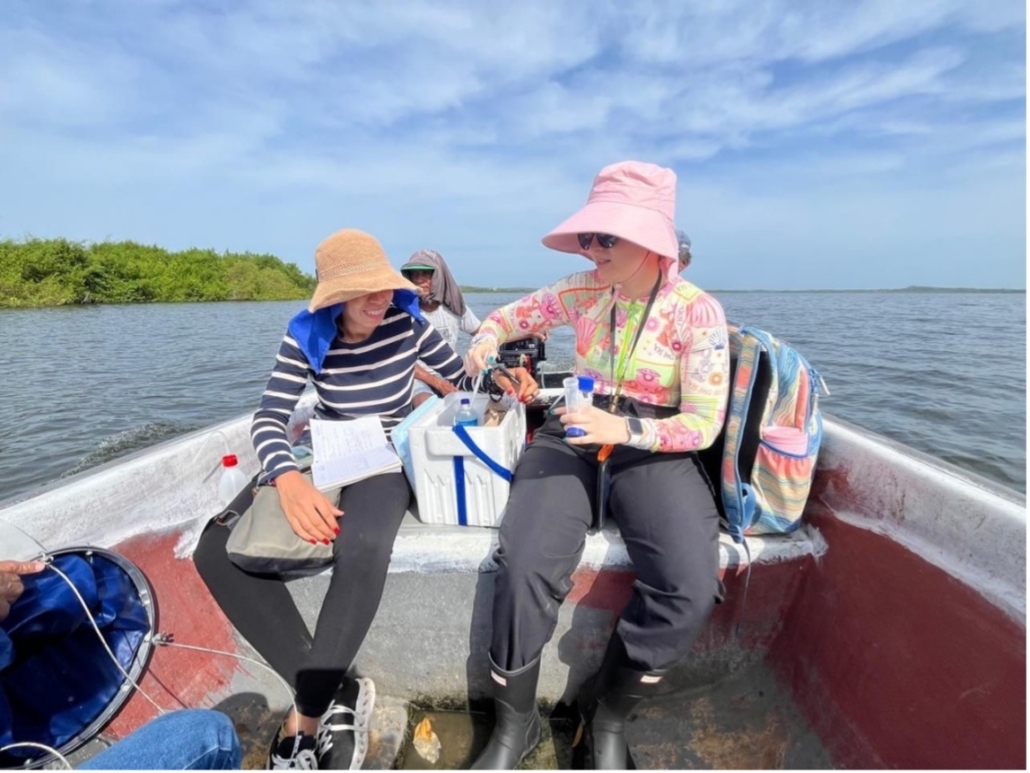
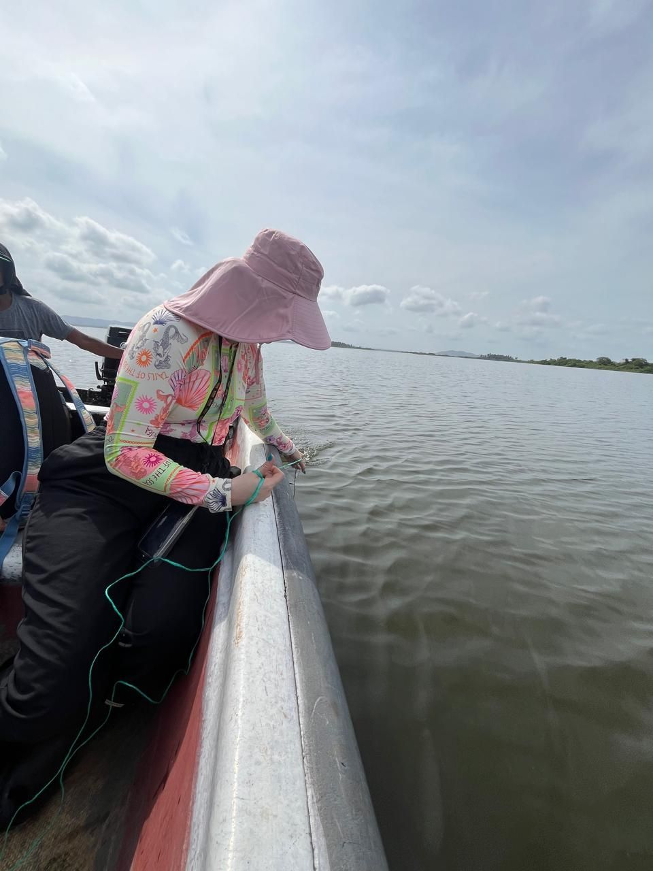
One aspect of my work that makes me feel particularly proud and hopeful is supporting and learning from coastal communities whose knowledge has sustained marine ecosystems for generations. Facilitating a Fishers Field Trip with the Afro-descendant artisan fisher community of La Boquilla showed me how community-led stewardship of the Ciénaga de la Virgen mangroves—protected since 1885—can meaningfully inform science, conservation, and policy.
What are some of the most significant challenges women or girls face in science in your context?
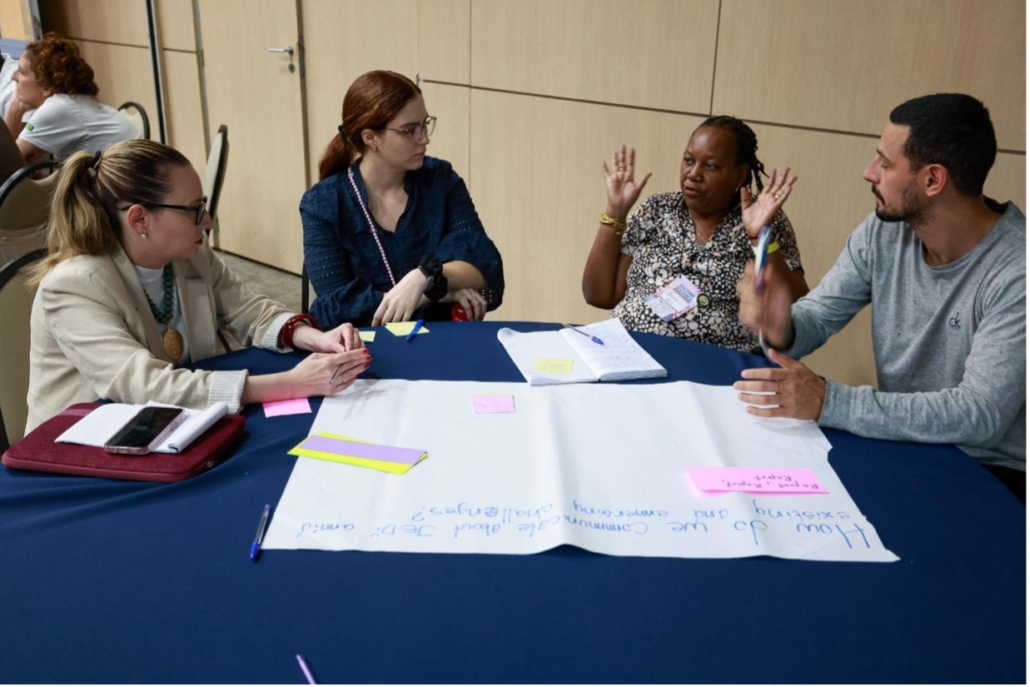
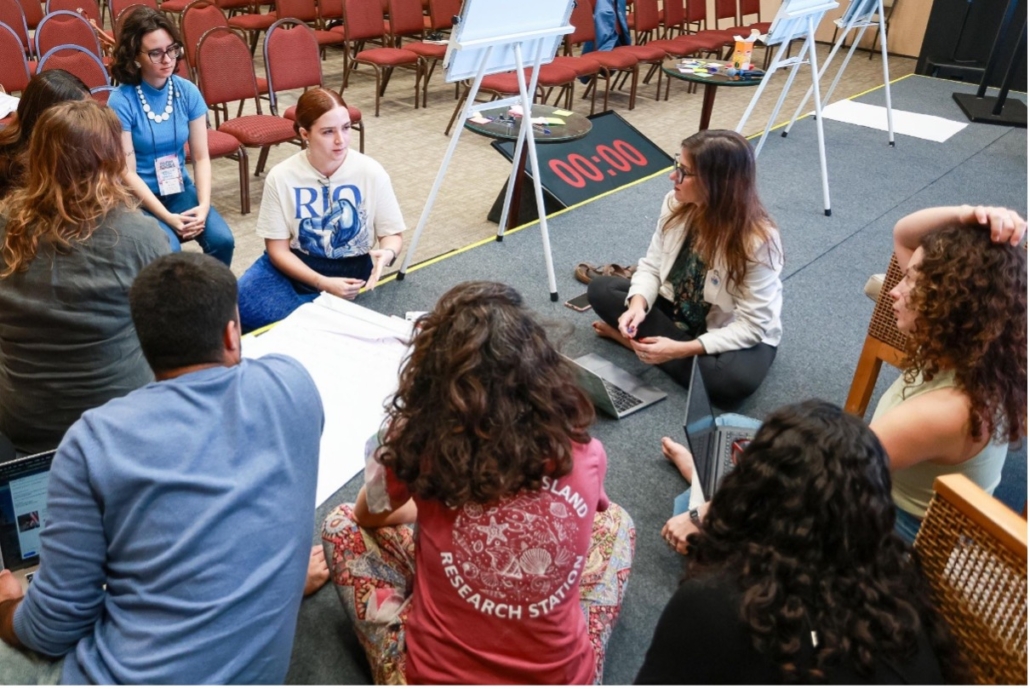
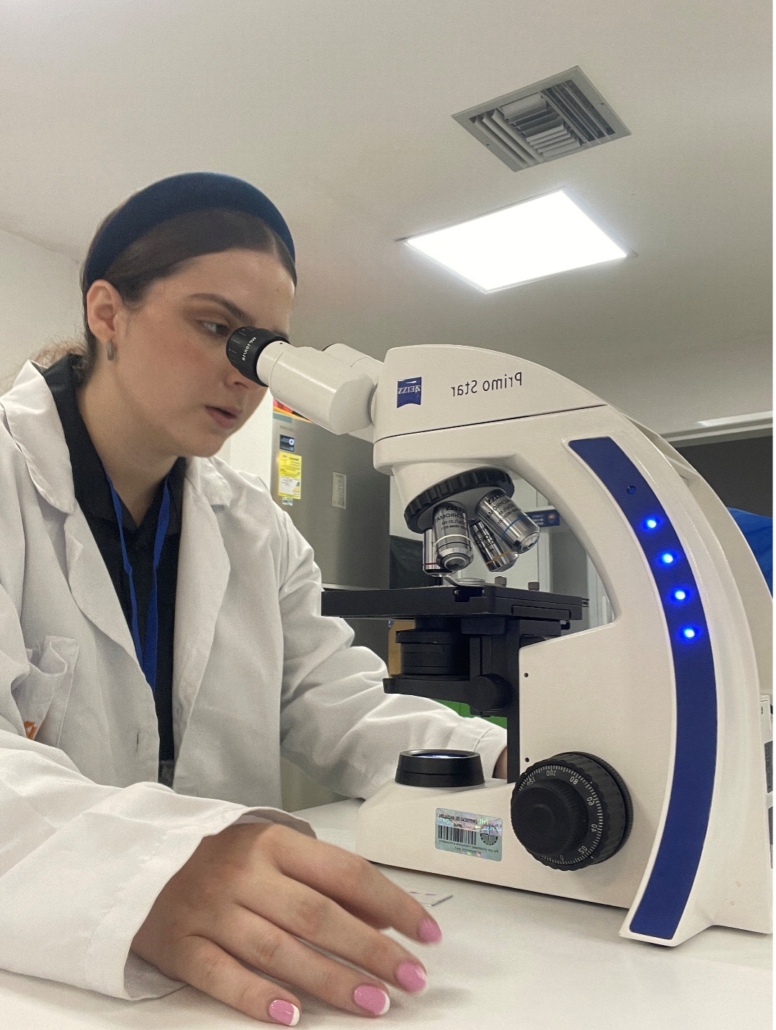
In many scientific and laboratory environments that remain predominantly male, women often face implicit bias that can undermine their credibility and recognition. Their expertise may be questioned more frequently, requiring additional effort to be heard or taken seriously, particularly in technical or decision-making spaces. Limited representation of women in senior roles further reinforces these challenges, making it harder for girls and young women to see themselves reflected in scientific careers.
What message would you share with girls considering a career in science or fisheries, especially those who may doubt they belong?
You do belong. Science and fisheries need your perspective, your questions, and your lived experience. Coming from coastal and Caribbean contexts, community knowledge, observation, and care for the ocean are not secondary to science—they are part of it. Even when spaces feel unwelcoming or your voice is questioned, your background is a strength, not a limitation. Stay curious, seek allies, and remember that the ocean has always been shaped by women’s knowledge and leadership, even when it has not always been recognized.