
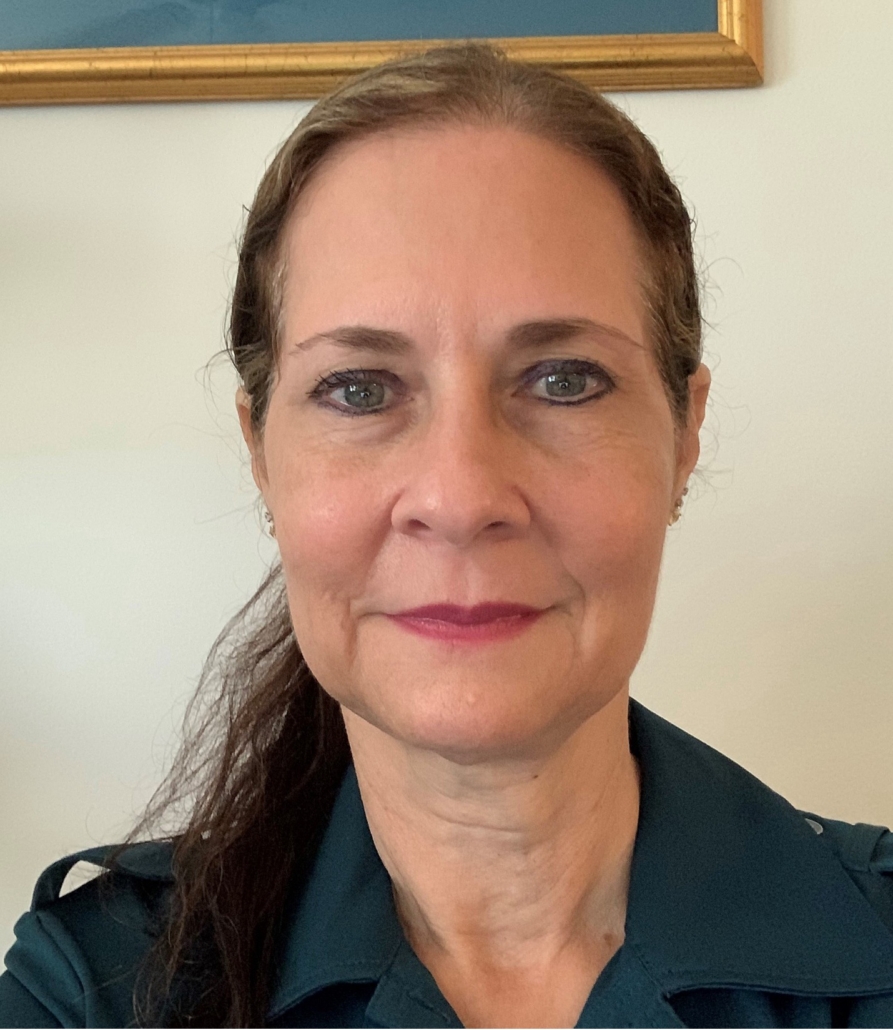
 What first drew you to science, fisheries, or the ocean?
When I was in middle school, my stepfather and I would go deep-sea fishing on our boat off the coast of Miami. I remember the first time we encountered a pod of bottlenose dolphins, near our boat. As I watched them glide along the surface, I felt an instant and deep connection to these amazing marine mammals. It was then I knew that at some time in my life, I would dedicate myself to ocean conservation.
What part of your work makes you feel proud or hopeful?
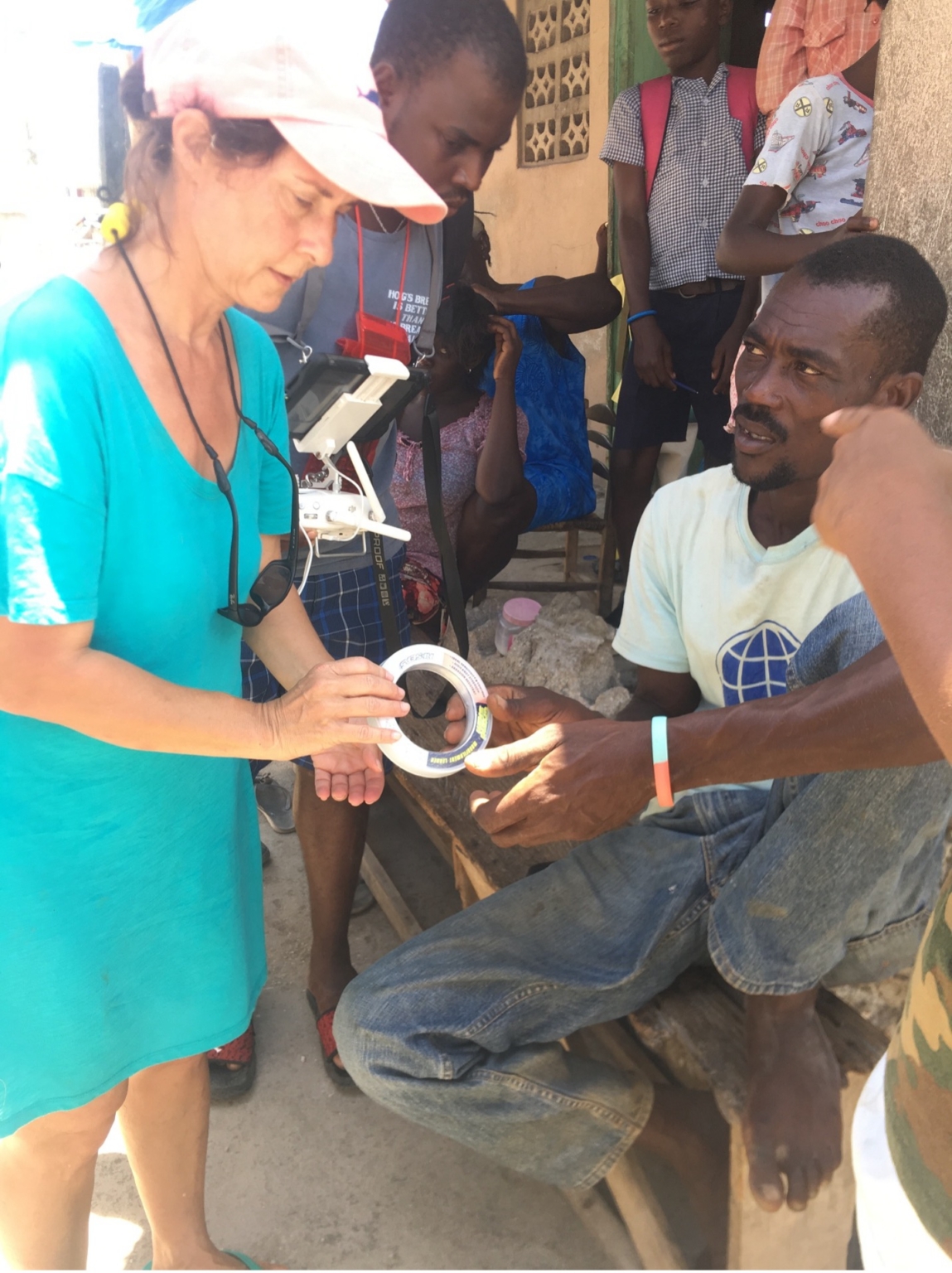
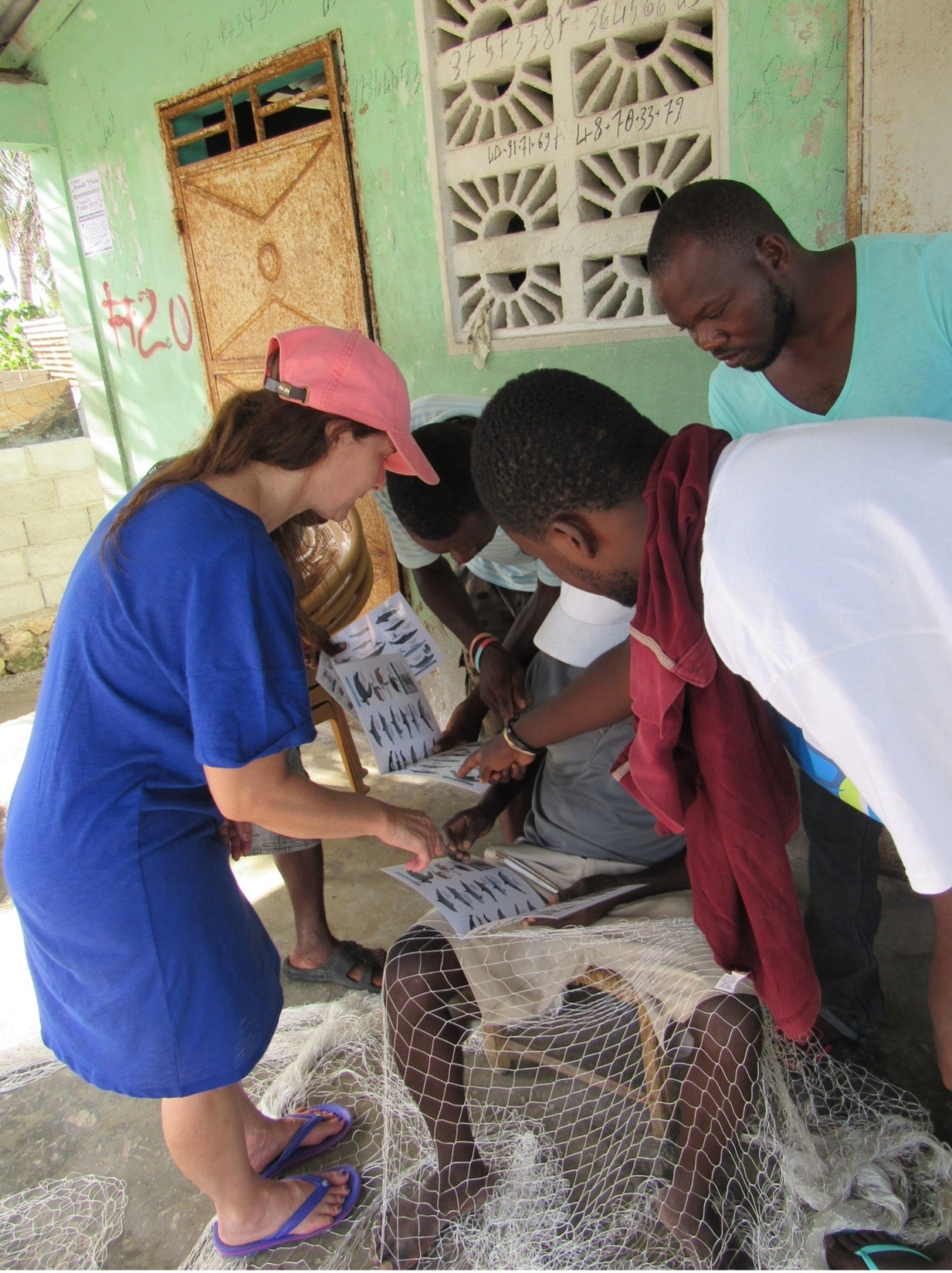
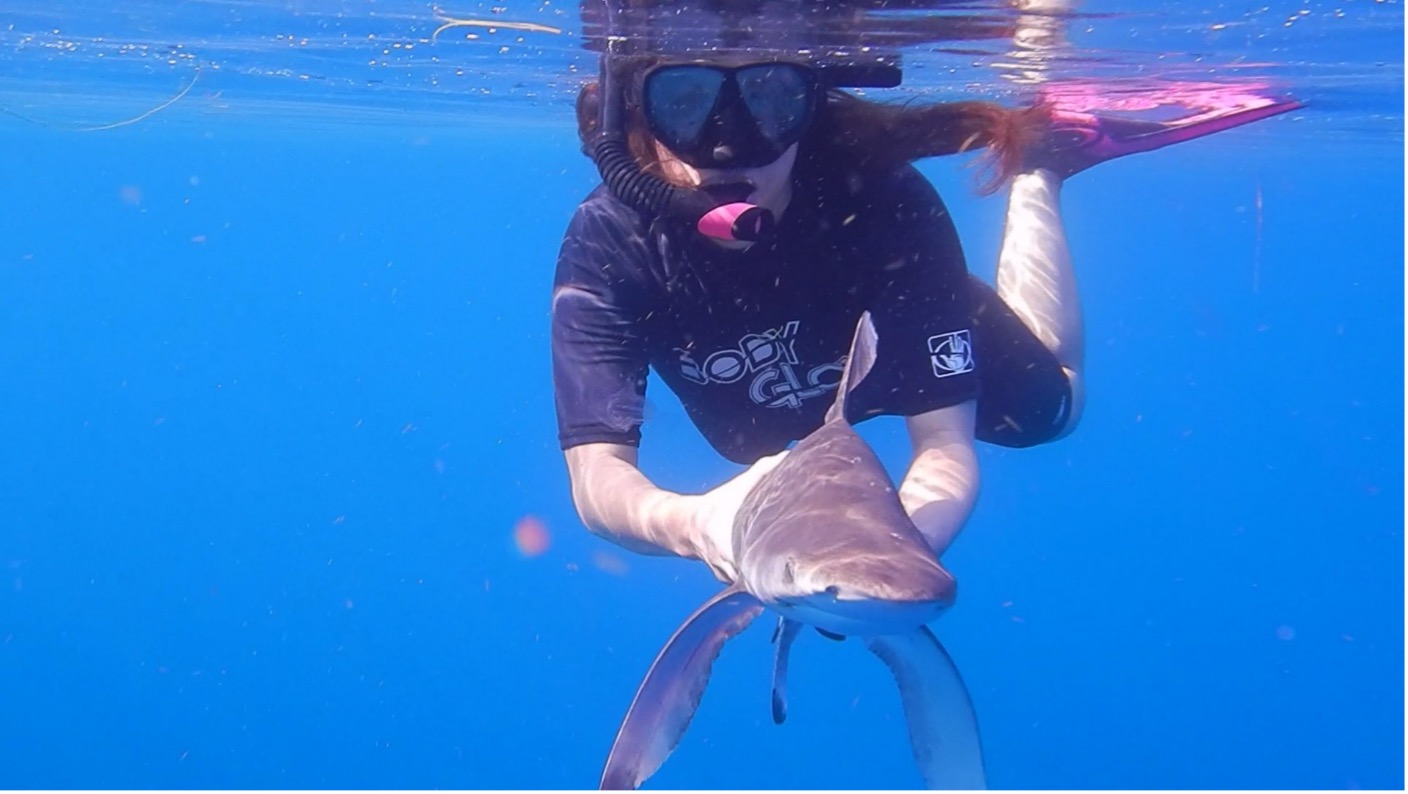
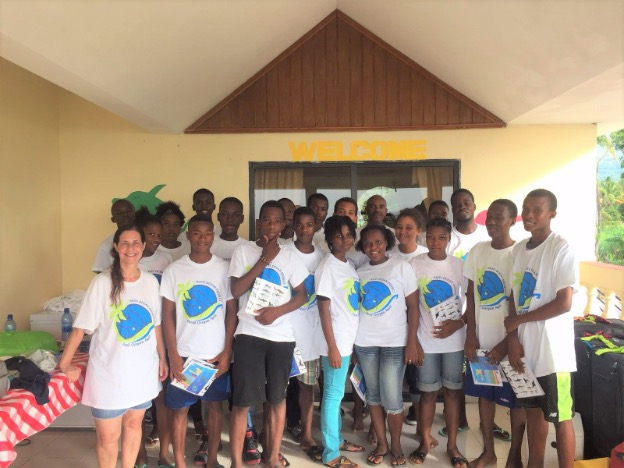
I started Haiti Ocean Project in 2007, a marine conservation organization based in southern Haiti, focused on education, conservation and research of marine megafauna. What began with me, an educator and a handful of fishers and youth, has developed into an organization which has saved hundreds of endangered species and instrumental in some important scientific discoveries in our Haiti waters. Haiti is challenging as every marine species is potentially a food source, and an excessive number of marine megafauna species being killed regularly. However, through our work, we are changing that dynamic and giving these species a chance to survive and thrive. This includes one of our great discoveries being a nursery of critically endangered juvenile oceanic whitetip sharks in our region, of which we have saved hundreds and turned fishers into conservationists who are now saving them, instead of killing them.
What are some of the most significant challenges women or girls face in science in your context?
Societal expectations is a significant challenge for women and girls in science, especially in countries like Haiti, where women predominantly the caregivers. This limits opportunities for women to participate in ocean related work. Funding limitations are also a significant challenge in Haiti, as a majority of the population live in extreme poverty, and where the ocean is merely a source of food, not an opportunity to learn and conduct research.
 What support, opportunities, or conditions have helped you (or others) succeed despite these challenges?
The support of family, friends, individuals and organizations who see the potential of my marine conservation efforts in Haiti are one the main reasons Haiti Ocean Project has been successful. As is the dedication and commitment of the local Haitians I educated and have worked with for nearly two decades, who have supported my vision and goals, and have believed in the importance of protecting these valuable marine megafauna species and their ocean for themselves and future generations.
What is one way organizations like GCFI could help women and girls feel more welcome, supported, or visible in fisheries and marine science?
GCFI is a wonderful example of including and supporting women. A case in point is appointing Fadilah Ali as the new executive director and having women on their board. GCFI does not restrict women from being involved in any capacity, which is evident from the number of females who are members of the organization and who attend the annual conferences.
What message would you share with girls considering a career in science or fisheries, especially those who may doubt they belong?
There are so many ways I am completely different from the people I work with in Haiti. This includes economically, culturally and educationally. I never questioned my role in working with these people and this country, despite all those differences. I was never uncertain or uncomfortable. I found my place in the ocean science and conservation world and I stuck to it. This is my message to other girls and women who are interested in a career in science or fisheries. If this is what you want to do, then jump or dive right in, don’t hesitate or second guess yourself. Find your place and your mission and move forward.