
 What first drew you to science, fisheries, or the ocean?
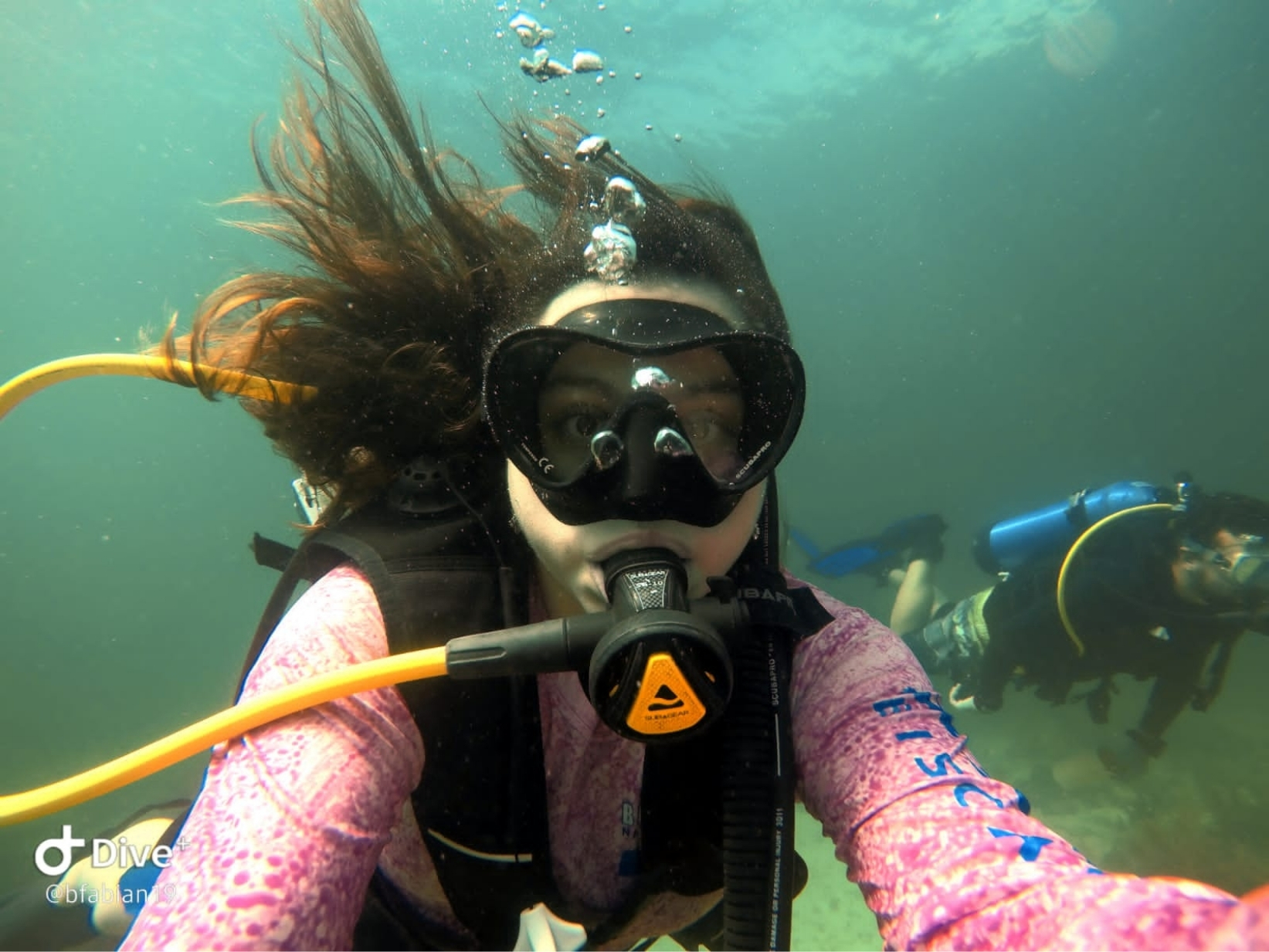
What always drew me in was the ocean. From a very young age, I felt a special connection to the sea and the animals that inhabit it. I grew up inspired by figures like Steve Irwin and Jane Goodall, who showed me that curiosity, empathy, and respect for nature could become a way of life and a tool for generating real change.
A key point on that path was discovering that science wasn’t something distant or rigid, but rather a route to understanding anything, asking questions, and discovering how the world works. That’s when I understood that science could be the perfect language to unite my love for marine animals with the desire to understand and protect them.
More than a specific moment, it was a constant feeling: the ocean was always there, calling to me. Over time, I understood that this path wasn’t just important to me, but that I could also contribute to conservation, to communities, and to the relationship we have with our seas.
What part of your work makes you feel proud or hopeful?
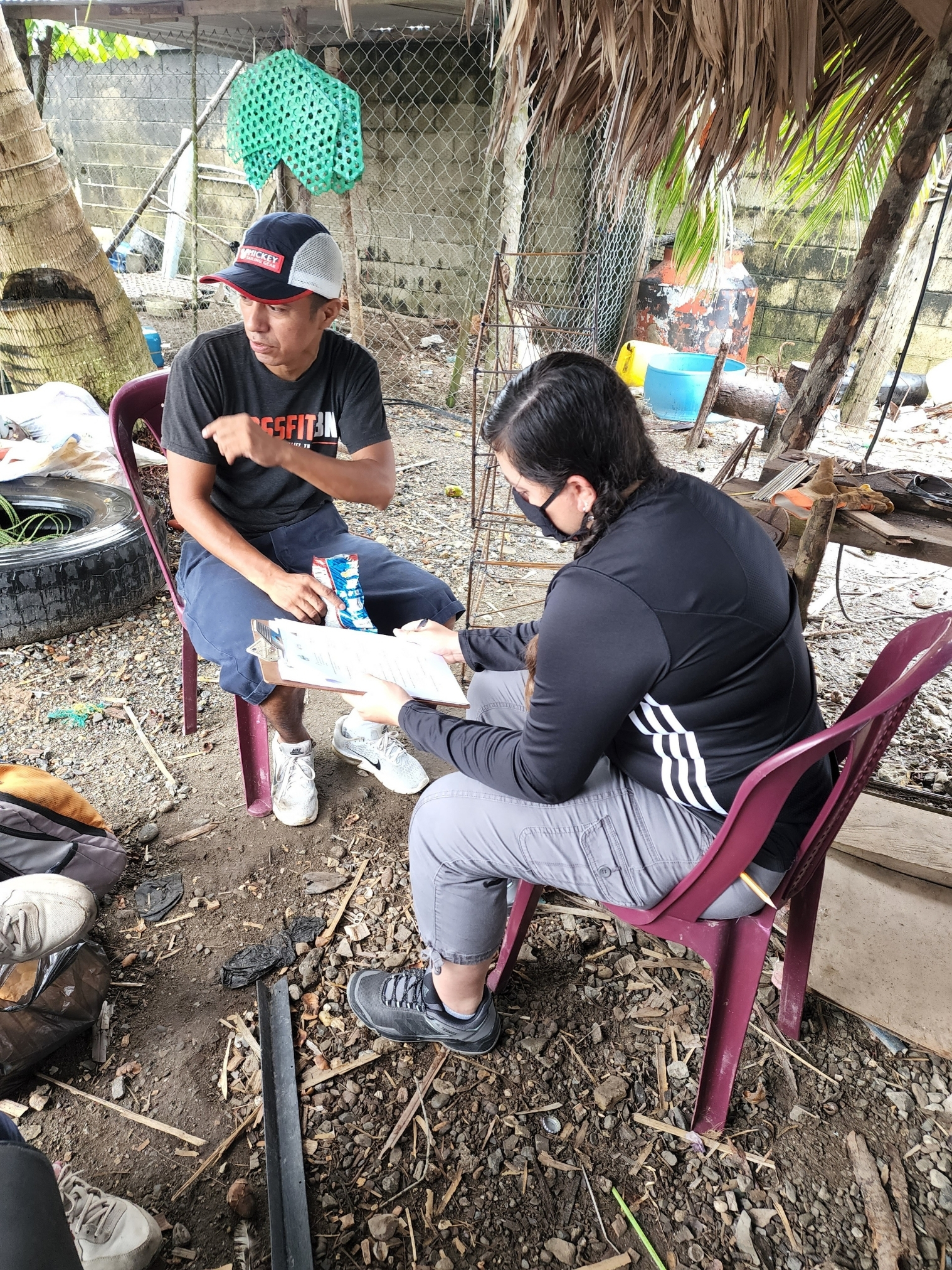
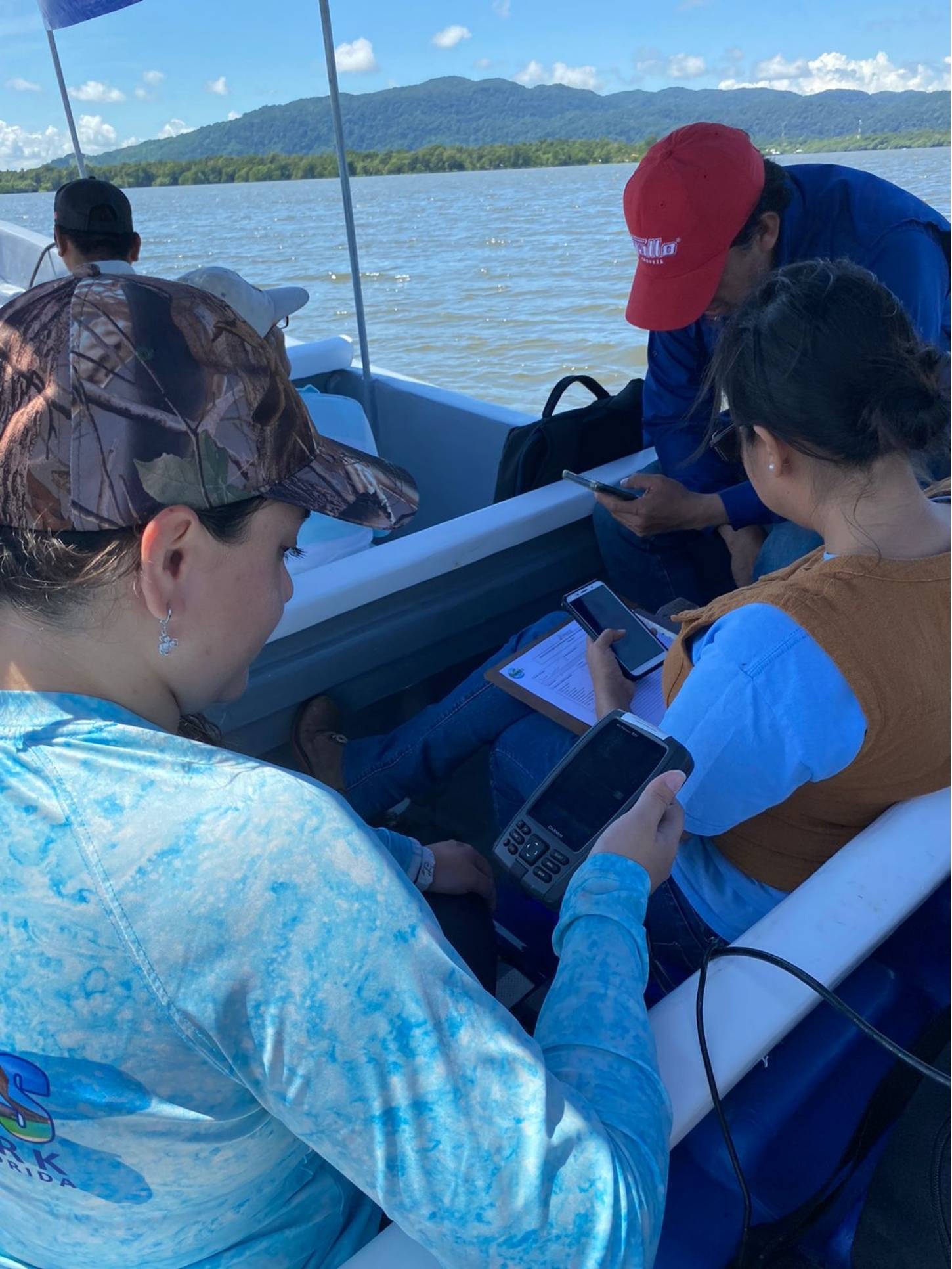
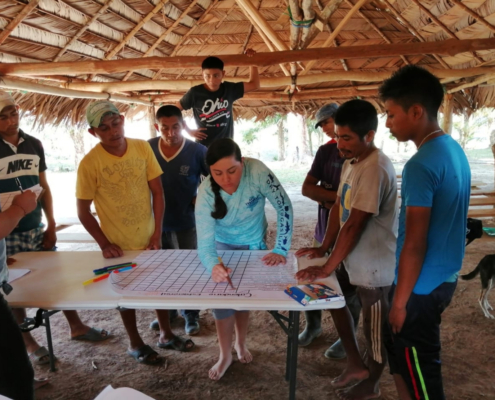
The establishment of Fisheries Recovery Zones (FRZs) and the accompanying community work are definitely among the aspects that fill me with the most pride and hope. Seeing how fishing communities actively engage in protecting their own resources, make informed decisions, and become guardians of the sea is deeply inspiring.
What are some of the most significant challenges women or girls face in science in your context?
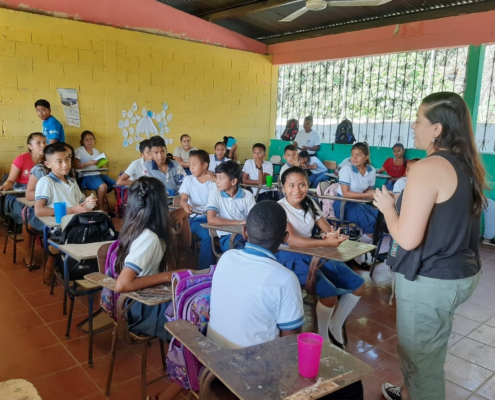
One of the main challenges is ensuring that a woman’s voice is heard and taken seriously, especially in community contexts traditionally led by men. In my work, for example, it’s not always easy to speak in front of groups of male fishermen, since in some spaces there is still a greater predisposition to trust or give more weight to a man’s opinion.
It can also be difficult to make breakthroughs in new communities, establish trusting relationships with male leaders, and open doors to new projects or opportunities. This involves constantly demonstrating skills, knowledge, and commitment to gain recognition that, in many cases, is not granted immediately.
Even so, these challenges also reinforce the importance of women’s presence in science and community processes, and motivate us to continue building more equitable spaces where knowledge and experience are valued regardless of gender.
What support, opportunities, or conditions have helped you (or others) succeed despite these challenges?
The support of other women has been fundamental to my journey. Having a female boss who trusts my work and has encouraged me to actively participate in processes like Fisheries Recovery Zones has been key to my professional growth and to taking on new challenges with greater confidence.
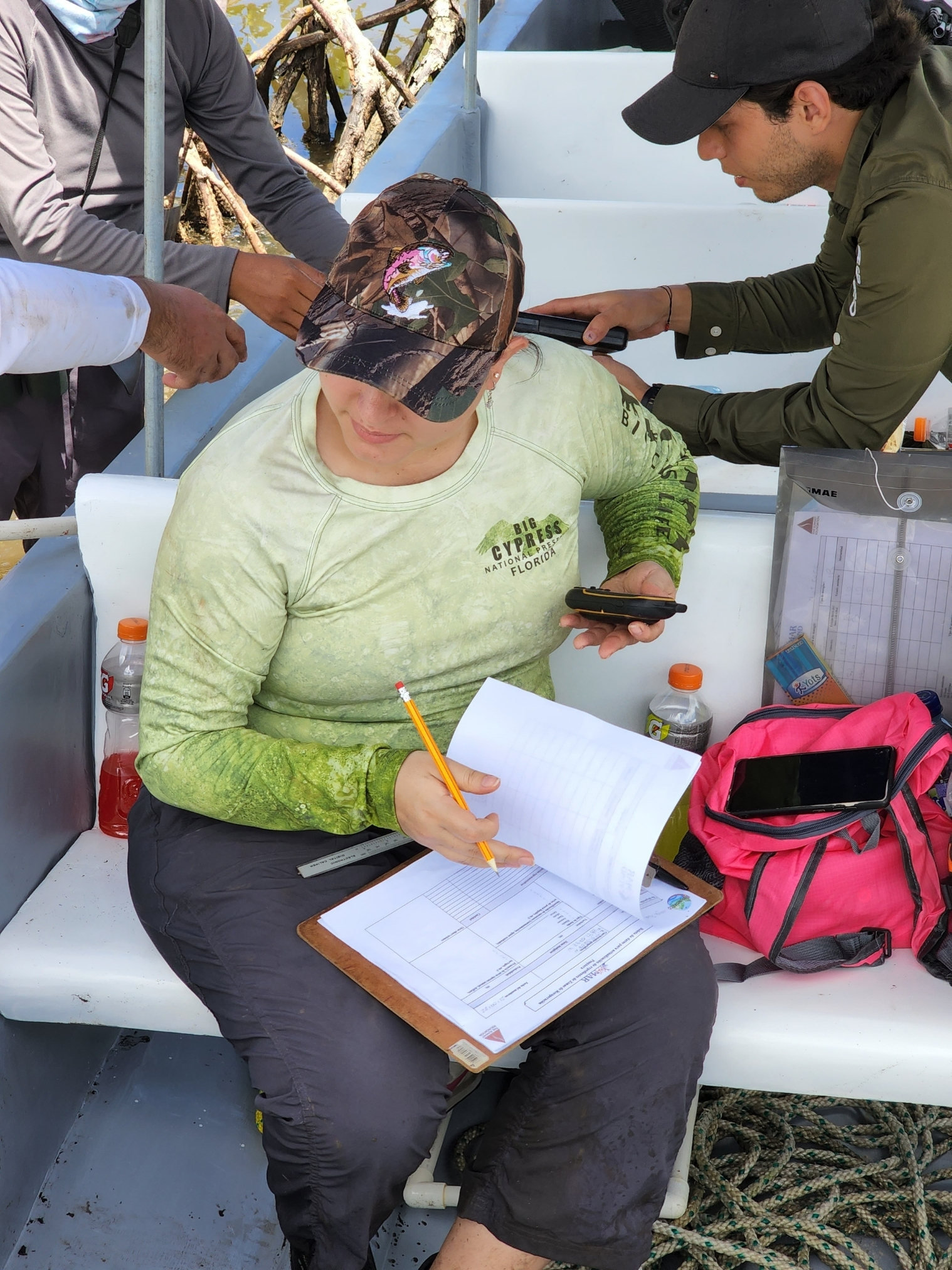
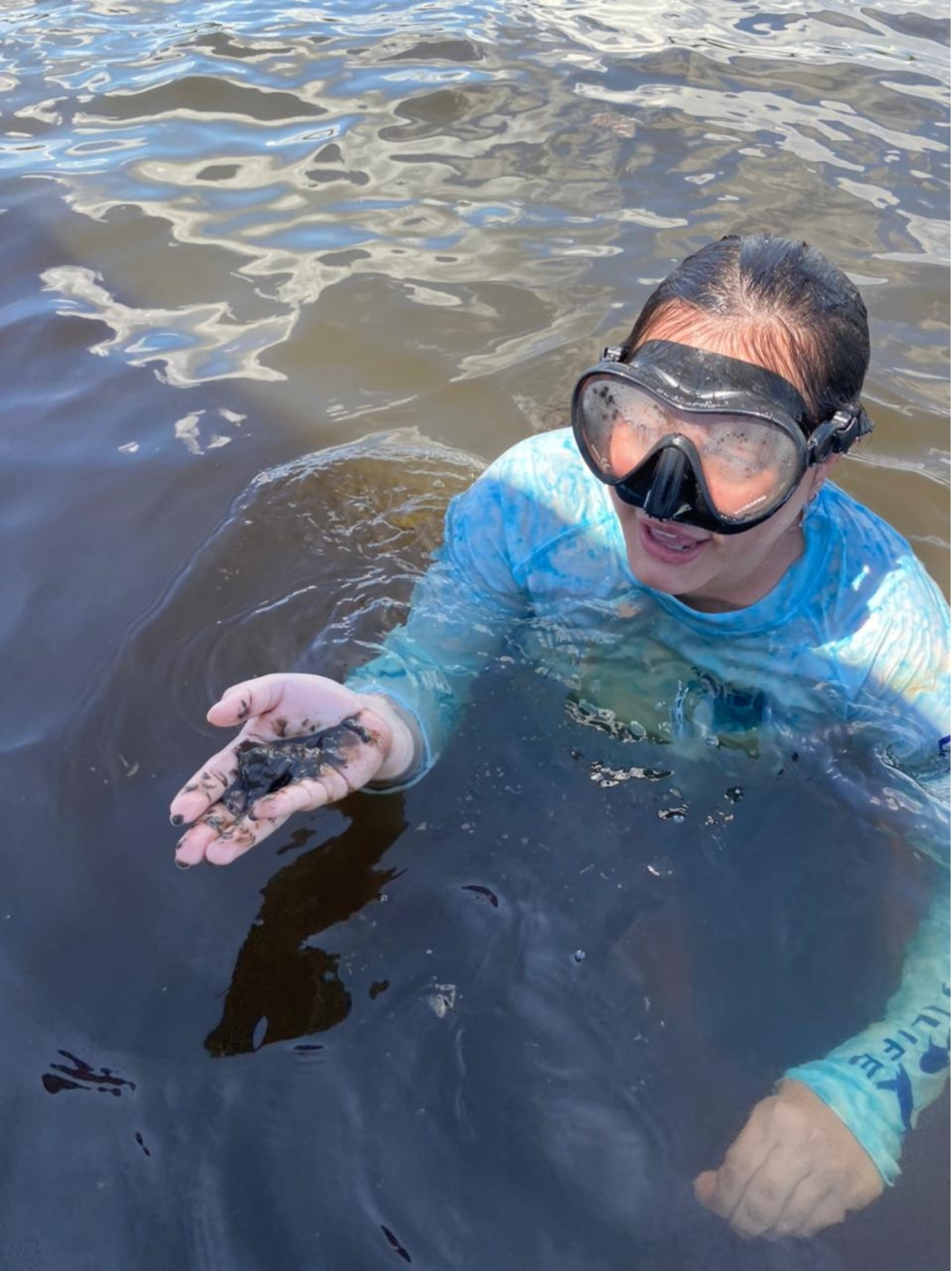
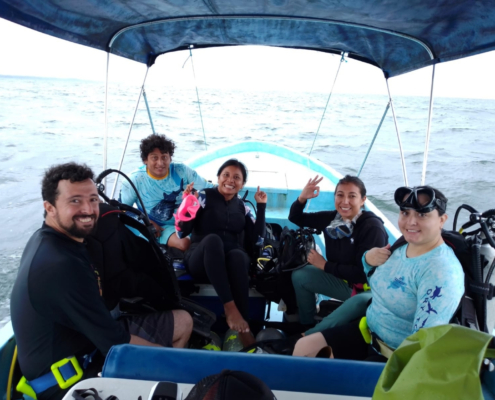
Likewise, the institutional support of FUNDAECO has been essential, as it has given me the opportunity to practice my profession directly in Caribbean communities, learning from the land, strengthening local processes, and applying science in a practical and contextualized way.
Finally, the support of my family has been vital. They are my driving force and my greatest source of strength to continue developing in science, especially in a field that demands commitment, perseverance, and a strong sense of vocation. Knowing that I have their support has allowed me to move forward with confidence and remain steadfast on this path.
What is one way organizations like GCFI could help women and girls feel more welcome, supported, or visible in fisheries and marine science?
Organizations like GCFI can play a key role in creating spaces where women and girls feel visible, heard, and valued within fisheries and marine sciences. This can be achieved by promoting the active participation of women in events, training, and decision-making processes, not only as attendees but also as facilitators, researchers, and leaders.
Likewise, promoting mentorship programs, experience-sharing initiatives, and capacity-building programs for young women can help create positive role models and build confidence from an early age. Highlighting the stories of women working in fisheries, science, and conservation is also essential to breaking down stereotypes and demonstrating that these spaces are accessible and necessary for everyone.
Is there a woman in science, locally or globally, whose story has inspired you? Please share more about the individual(s)
Yes, one woman who has deeply inspired me is Dr. Karla Evelyn Paz Cordón, who was my professor and mentor at university. She is a Guatemalan scientist with extensive experience in marine and aquatic biology, holding a doctorate in Agriculture and Environment for Development from the University of Santiago de Compostela and more than 15 years as a professor and researcher at the Center for Marine and Aquaculture Studies at the University of San Carlos of Guatemala.
Dr. Paz Cordón has made significant contributions to the study of marine plankton and algal blooms, coordinates regional efforts on marine stress issues, and represents Guatemala on the Subcommittee for the Caribbean and Adjacent Regions of the Intergovernmental Oceanographic Commission of UNESCO.
In addition to her scientific career, Karla has been a key guide in my education—we worked together on the book *Study Guide for General Biology*, a teaching tool that supports university students in learning biology—which was a very valuable and formative experience for me.
What message would you share with girls considering a career in science or fisheries, especially those who may doubt they belong?
To girls considering a career in science or fishing, I would say that their curiosity and love for the ocean are reason enough to be there. They don’t need to “fit” into a mold or prove themselves more than anyone else to justify their presence. If they feel the call of science, that feeling is valid and deserves to be heard.
There will be moments of doubt and places where it may seem they don’t belong, but that doesn’t mean they aren’t capable; it simply means those spaces still need to change. Their perspective, their sensitivity, and their approach to science are essential. Every step they take paves the way for others who come after them.
Trust your voice, your knowledge, and your passion. The ocean needs female scientists, leaders, and courageous women who dare to care for and understand it. And although the path may sometimes seem lonely, you are not: there are many of us walking together.