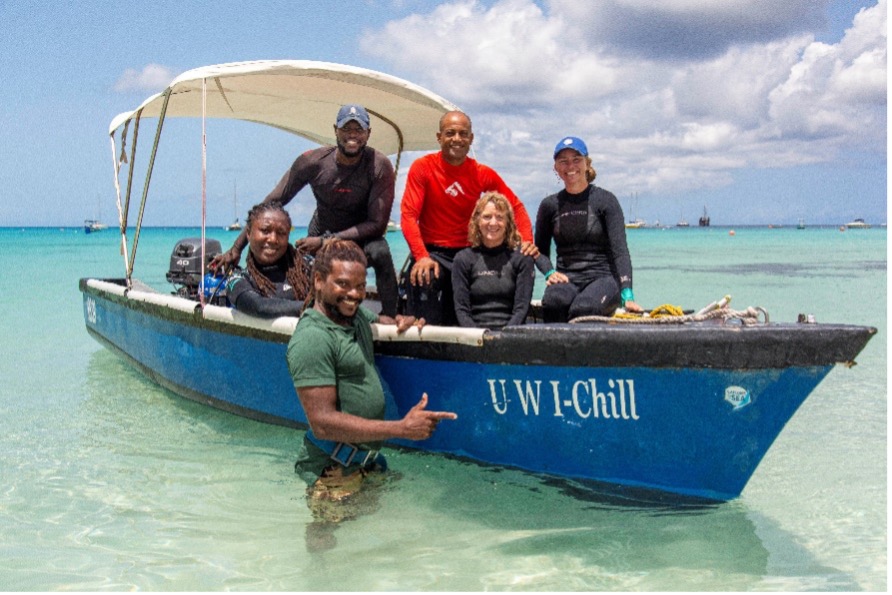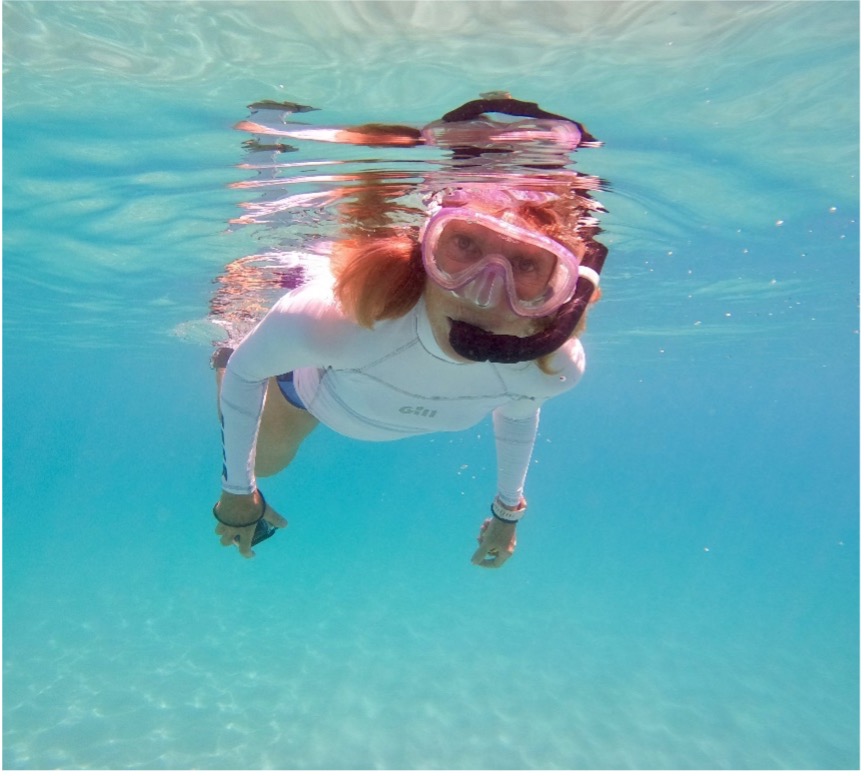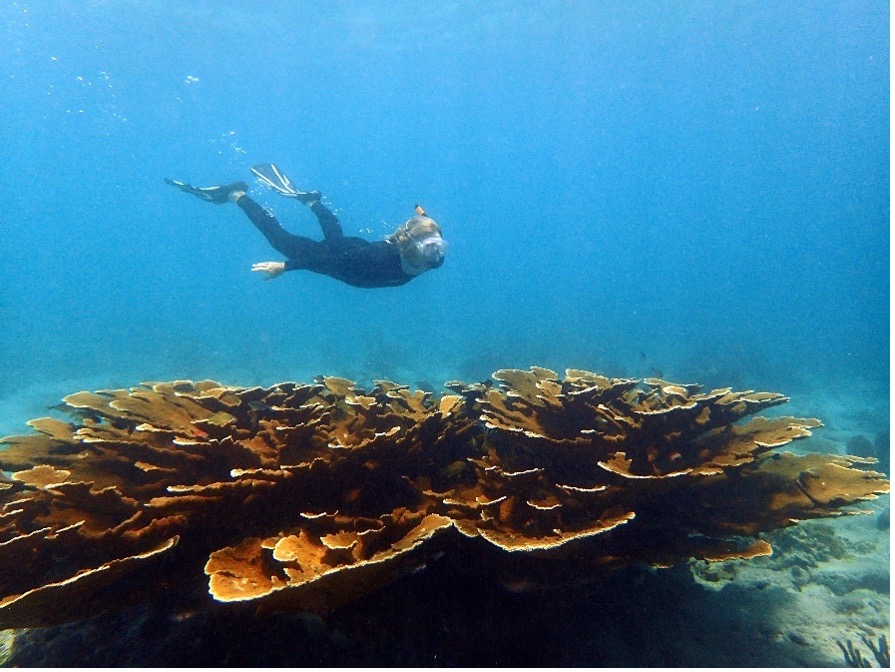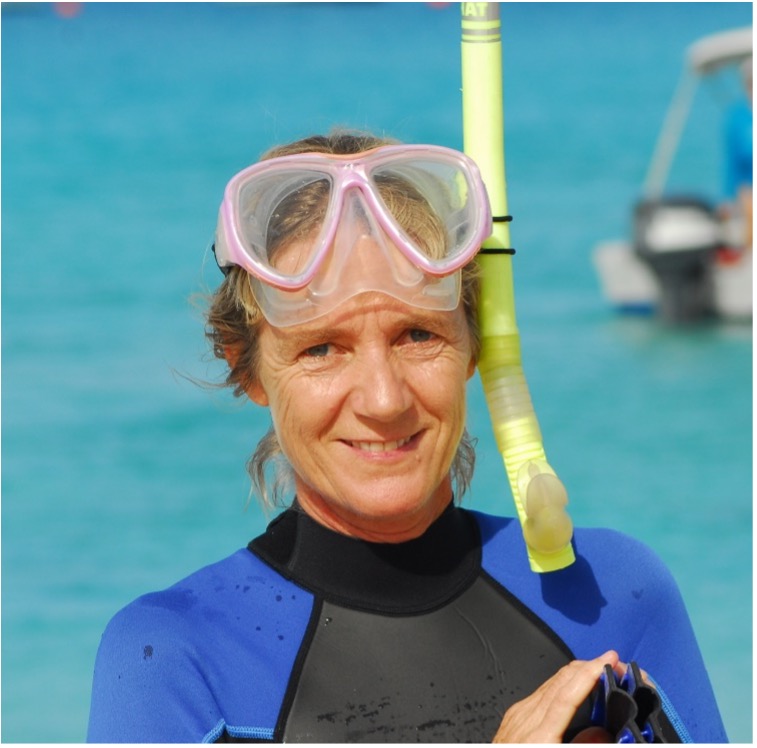

 What first drew you to science, fisheries, or the ocean?
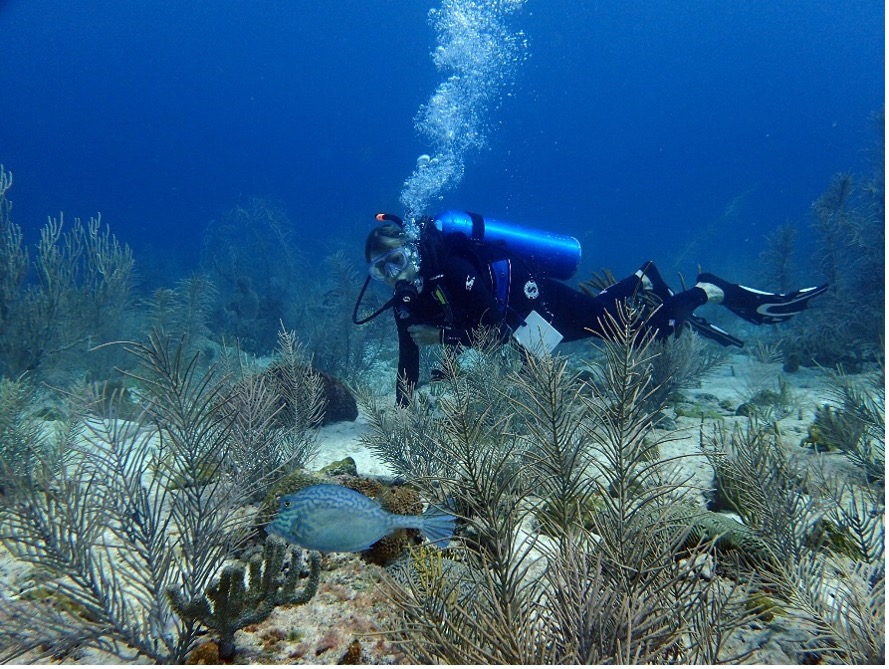
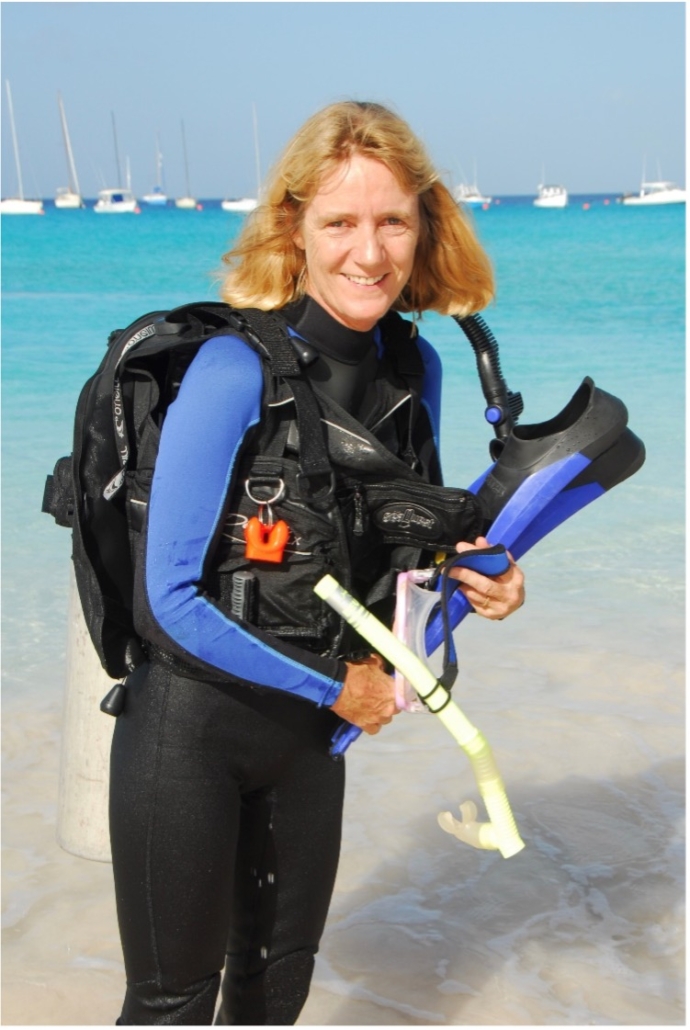
Childhood holidays at the seaside! This grew into a love of rock pooling, swimming, sailing and eventually learning to SCUBA dive whilst studying zoology at university. Finding work that allowed me to pursue these activities seemed obvious! This developed into a deep passion for conservation and wise use of the marine environment, and a desire to share this with others, many of whom know nothing about life in or under the water.
What part of your work makes you feel proud or hopeful?
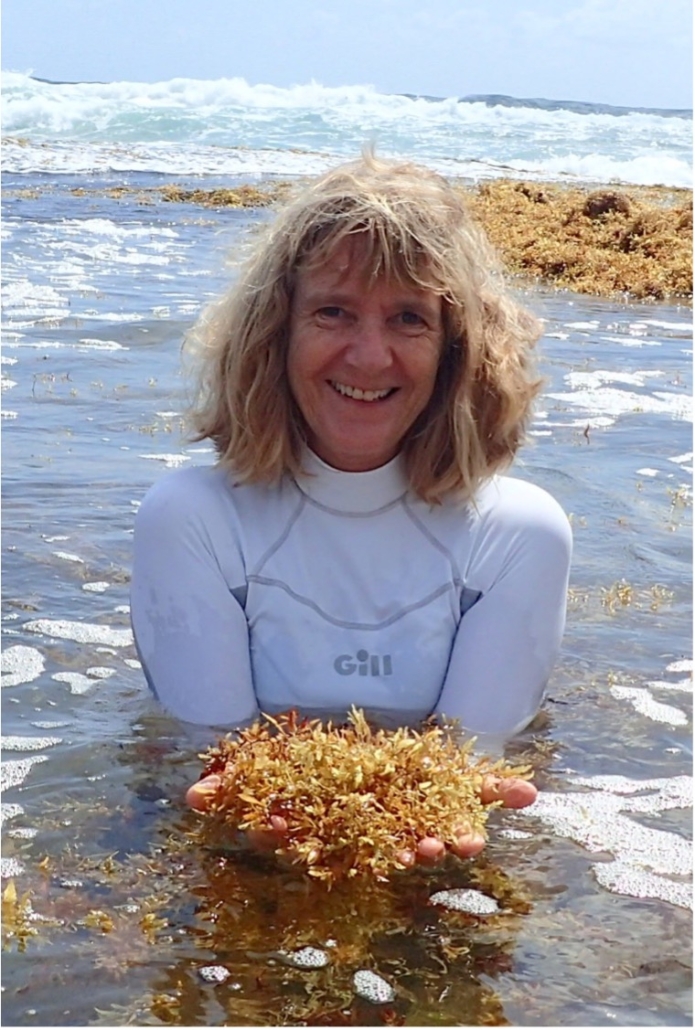
I am proud to have had the privilege to share my knowledge with, and learn from, so many Caribbean post-graduate students over my 30+ years of teaching at the University of the West Indies. Many of my students share my enthusiasm for the marine environment and its sustainable management and have found decent work in influential positions across the Caribbean.
What are some of the most significant challenges women or girls face in science in your context?
Work at sea can be tough, especially in small boats with limited facilities. However, whilst challenging at times, I have always received enormous encouragement and respect from colleagues including small-scale commercial fishers with whom I have worked.
What support, opportunities, or conditions have helped you (or others) succeed?
The Caribbean marine environment is understudied and therefore is brimming with opportunities to conduct new and useful research to guide policy and management action.
What message would you share with girls considering a career in science or fisheries, especially those who may doubt they belong?
Follow your passion, work hard and you will fit in!