
 What first drew you to science, fisheries, or the ocean?
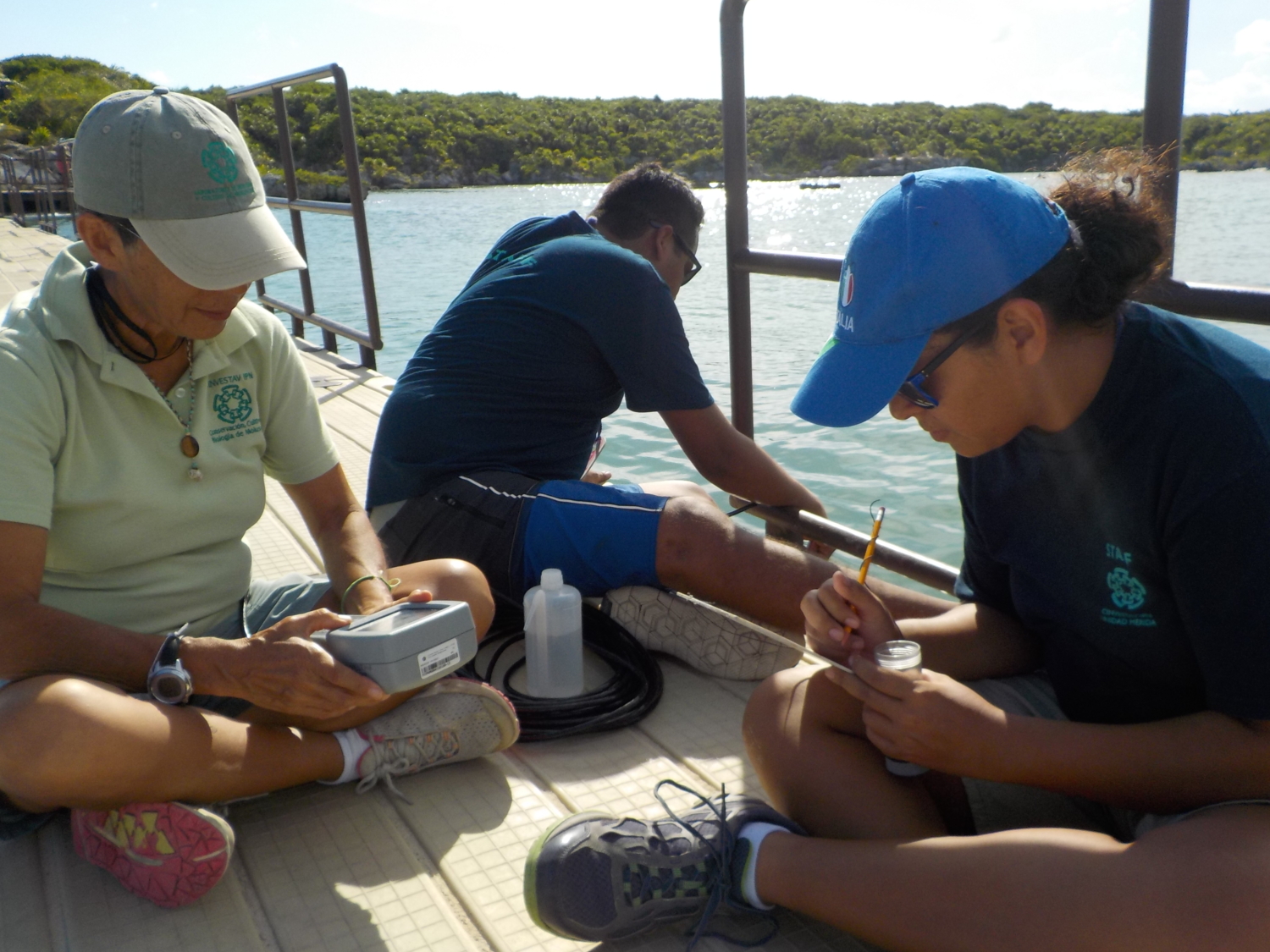
My first contact with science, and marine science in particular, came from playing in ponds as a child, having a microscope, and watching the television programs of French commander Jacques Yves Cousteau.
What part of your work makes you feel proud or hopeful?
One marine species that gives me hope is seeing the pink conch still alive and its ability to survive despite overfishing.
What are some of the most significant challenges women or girls face in science in your context?
In my country, Mexico, the biggest challenge for girls and women pursuing a career in marine science is, first, being able to study without gender bias; second, gender violence, which continues to be present; and third, finding a job and, once employed, having opportunities for professional development.
What support, opportunities, or conditions have helped you (or others) succeed despite these challenges?
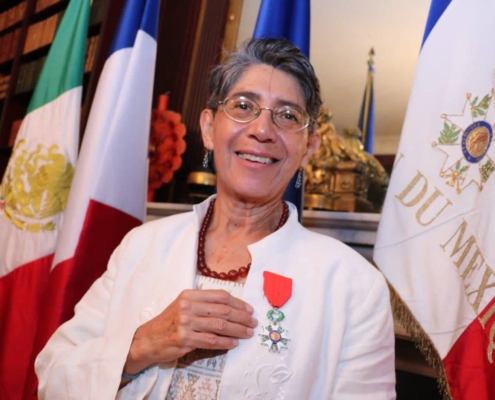
I have been able to consolidate my scientific career, among other things, because I have had women who have empowered me and I have had the support of men and women who have supported me in taking on some management positions.
What is one way organizations like GCFI could help women and girls feel more welcome, supported, or visible in fisheries and marine science?
The Gulf and Caribbean Fisheries Institute (GCFI) is an international organization uniquely positioned to promote gender equity in marine science. It can support scholarships for young women pursuing careers in this field and enhance the visibility of women scientists in the Caribbean and the Gulf of Mexico by formally recognizing excellence. For example, GCFI could establish awards such as a Marine Scientist of the Year medal or diploma. These relatively simple initiatives can have a meaningful impact by empowering women scientists, acknowledging their contributions, and inspiring future generations.
Is there a woman in science, locally or globally, whose story has inspired you?
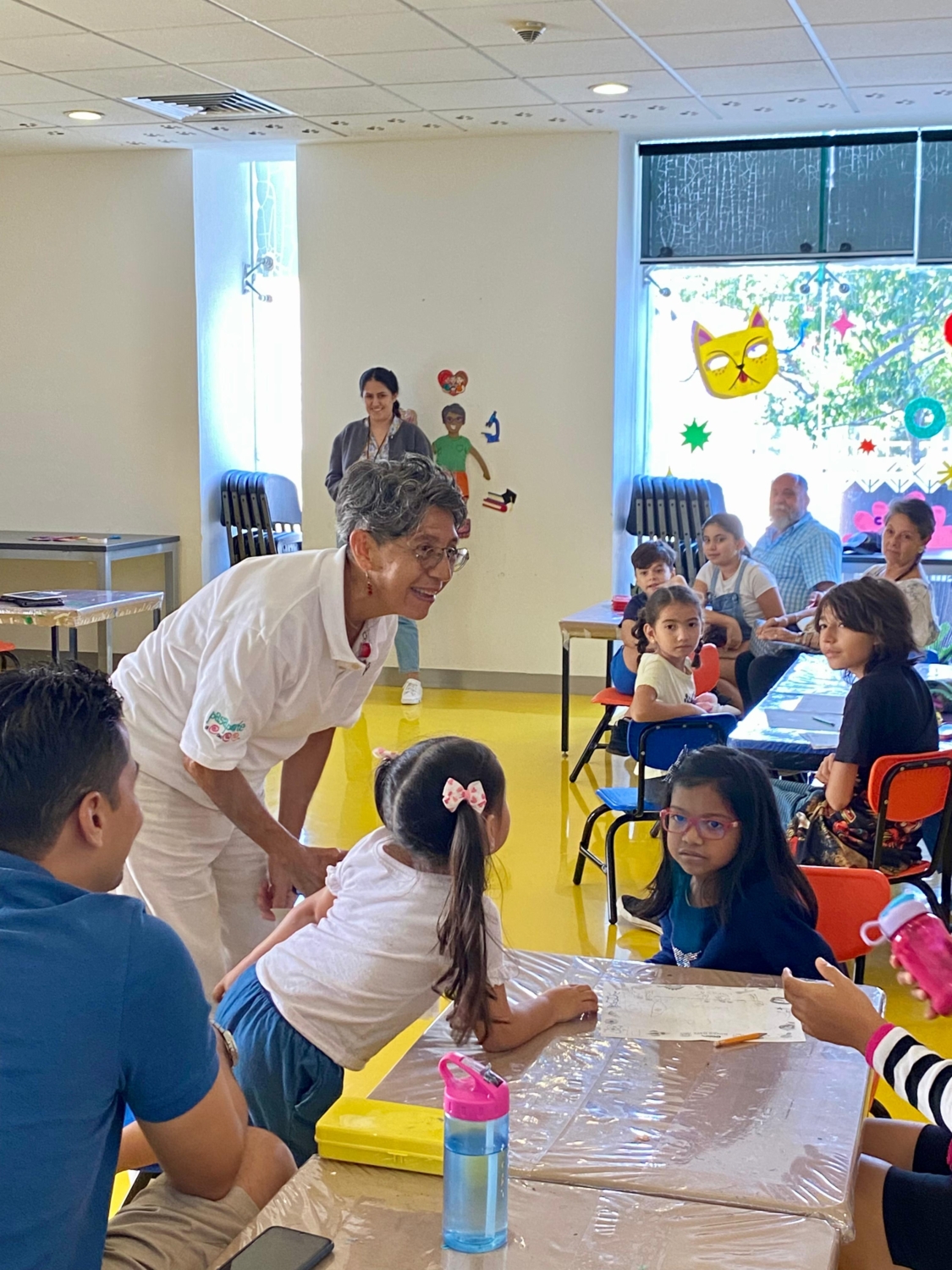
Liliane Frenkiel from Universite des Antilles Francaise. She introduced me to science outreach activities and allowed me to conduct research in the Caribbean on the reproduction of the queen conch. Thanks to her efforts, the first GCFI was held on the island of Guadalupe in 2008.
What message would you share with girls considering a career in science or fisheries, especially those who may doubt they belong?
To young women considering a career in marine science, I offer this message: marine science is a field of freedom, creativity, and purpose. It allows you to explore, question, and innovate while making a tangible contribution to societies whose cultures, livelihoods, and futures are inseparably linked to the sea. In the Caribbean, where marine resources underpin food security, economic resilience, and identity, marine science is not only a technical discipline—it is a deeply humanistic endeavor. By choosing this path, young women become both scientists and stewards, advancing knowledge while serving communities and shaping a more sustainable and equitable future