
 What first drew you to science, fisheries, or the ocean?
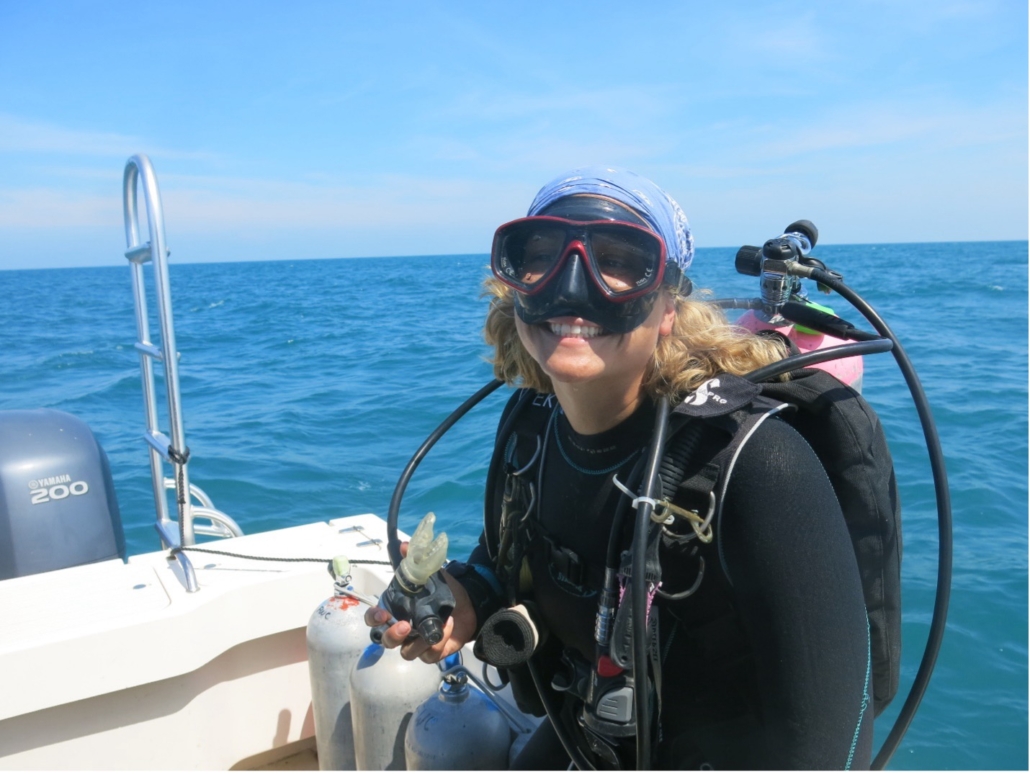
I didn’t always know what I wanted “to be,” but I consistently felt drawn to science. I was curious about how the world worked and found myself interested in many different fields early on. Rather than having a single defining moment, my path toward marine science developed gradually through a series of jobs, internships, and research experiences, many of them not related to marine science at all. Each opportunity helped narrow my focus and clarify what mattered most to me—working in a field where science could inform real-world decisions and contribute to the stewardship of important resources. Over time, those experiences made it clear that marine science wasn’t just an interest, but a meaningful direction for me.
What part of your work makes you feel proud or hopeful?
I have the privilege of contributing scientific research to management decisions and seeing that science applied in meaningful ways. There are management actions in the Florida Keys that I can point to and say, “My team’s work helped create those outcomes.” Knowing that our science contributes directly to real decisions is what continues to motivate me.
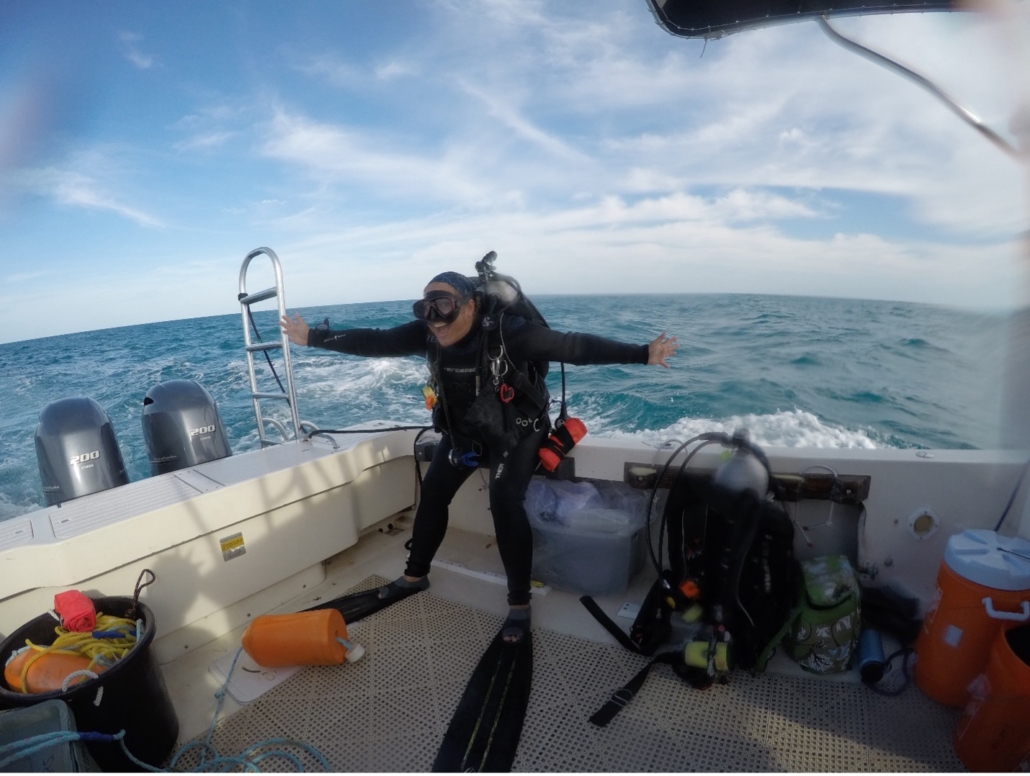 What are some of the most significant challenges women or girls face in science in your context?
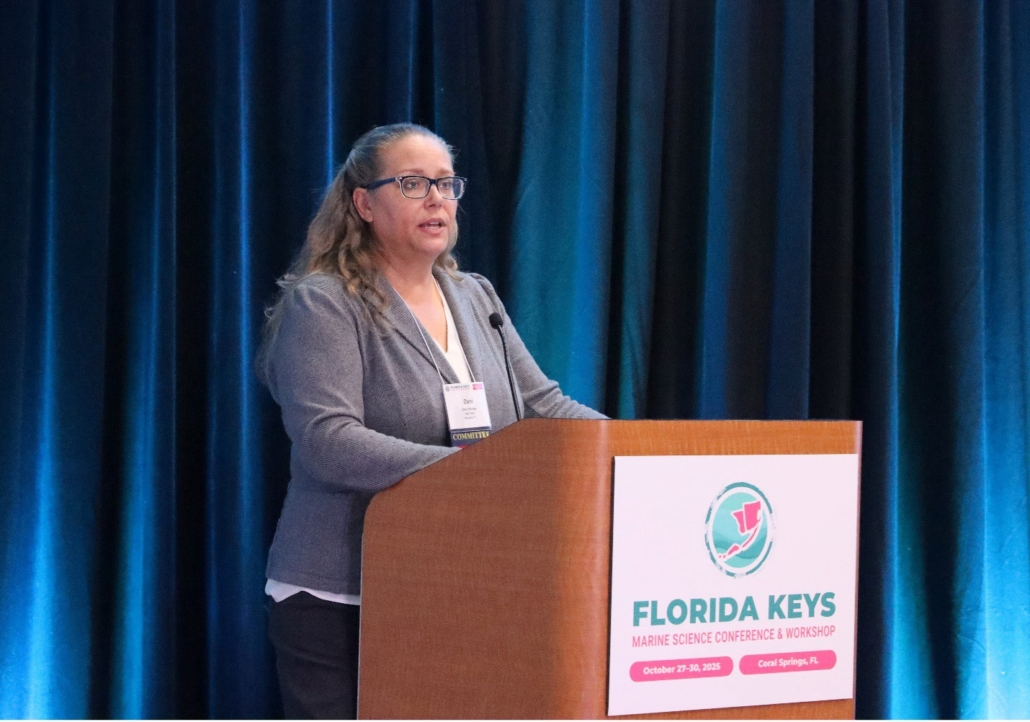
The field is constantly evolving. As an example, about 15 years ago, I attended a symposium with roughly 60 scientists, only four of whom were women. Over the course of two days of presentations, I was the only woman giving a talk. Fast forward to a more recent convening of that same symposium, and women made up nearly 30% of participants, with many more presenting their work. While there are still moments when I find myself as “the first woman” in a particular set of meetings, leadership role, or panel, the progress is visible—and deeply encouraging. Each time we show up, it makes it that much easier for others to do the same.
What support, opportunities, or conditions have helped you succeed?
Today there are many opportunities for support with social media. For example, “Women in Fisheries” can be a great place to hear about other’s experiences in this field.
What is one way organizations like GCFI could help women and girls feel more welcome, supported, or visible in fisheries and marine science?
To keep doing what you are doing. Sharing the stories of women scientists, encouraging student participation, and recognizing the contributions of women in all aspects of fisheries all play an important role. These efforts help future generations of girls see this field as one where they are welcomed, supported, and able to thrive while making meaningful, lasting contributions.
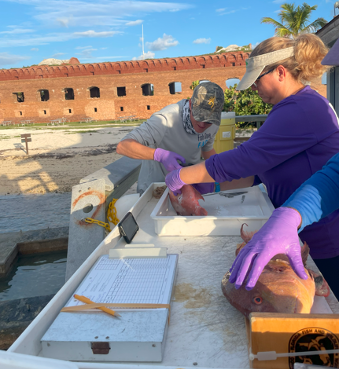
Is there a woman in science, locally or globally, whose story has inspired you?
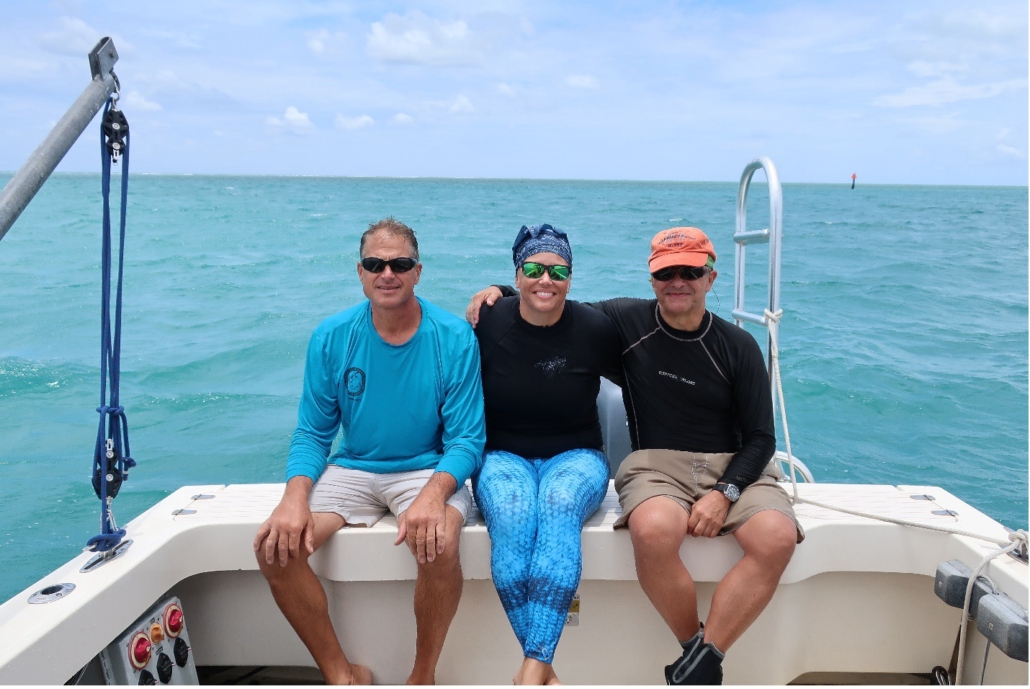
While there are remarkable women with global reputations—such as Yvonne Sadovy de Mitcheson—who helped inspire my path into marine fisheries, I am especially fortunate to work within an agency filled with inspiring women scientists. I am continually honored to collaborate with colleagues who are deeply committed to impactful, science-driven resource conservation. I also want to acknowledge that I was privileged to have a male mentor and ally early in my career who never made me feel as though I didn’t belong. He consistently supported and encouraged me, challenged me to become a better scientist, and played a significant role in where I am today. His mentorship is a reminder that support and inspiration can come from many places, and that good leadership makes a lasting difference.
What message would you share with girls considering a career in science or fisheries, especially those who may doubt they belong?
Science and fisheries need curious, thoughtful, and passionate people. If this describes you, then you belong. It took me a while to learn that it’s okay not to have everything figured out right away. Many scientists, including myself, didn’t follow a straight path to where they are now. If you care about the ocean and want to contribute to its future, there is a place for you…and you can take your time to learn exactly where you fit best.