
 What first drew you to science, fisheries, or the ocean?
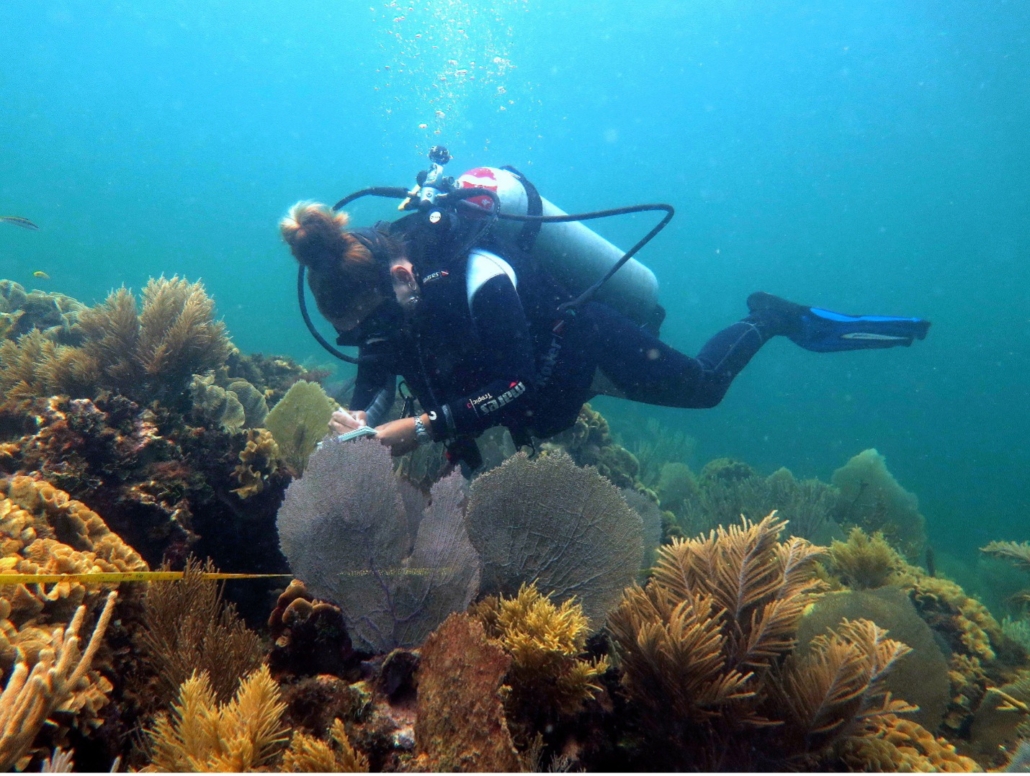
I grew up very close to the sea, surrounded by its beauty, and from an early age, I developed a deep connection to marine ecosystems. That bond was reinforced at home, as both my parents are biologists, and my aunt was one as well, who naturally introduced me to nature. Being exposed to science, fieldwork, and conversations about ecosystems so early made the ocean feel not only familiar but essential. Over time, I realized that what mattered most to me was not only studying marine systems but also ensuring that scientific knowledge actually informs conservation, management, and decision-making. That realization shaped my career path and continues to guide my work today.
What part of your work makes you feel proud or hopeful?
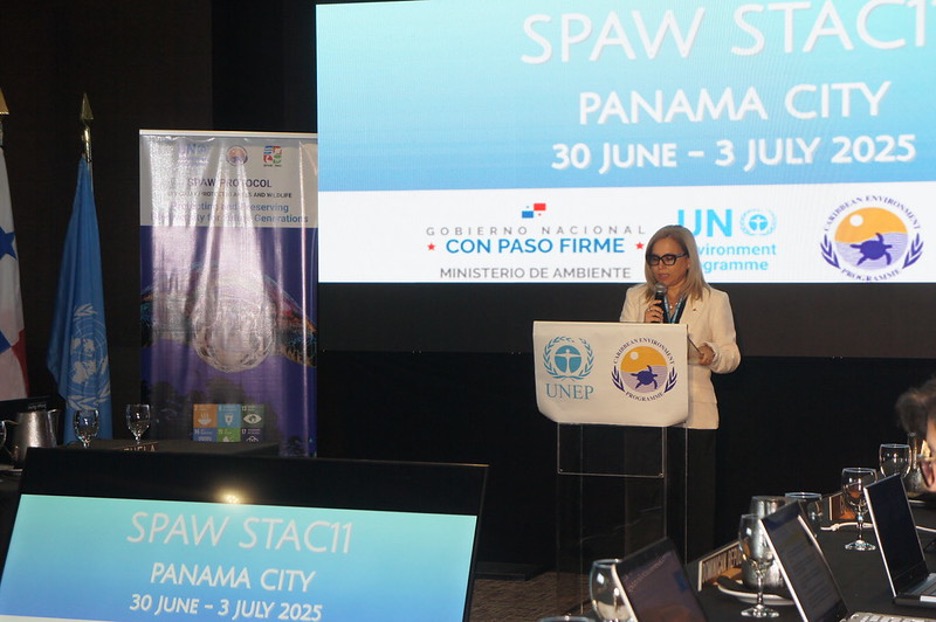
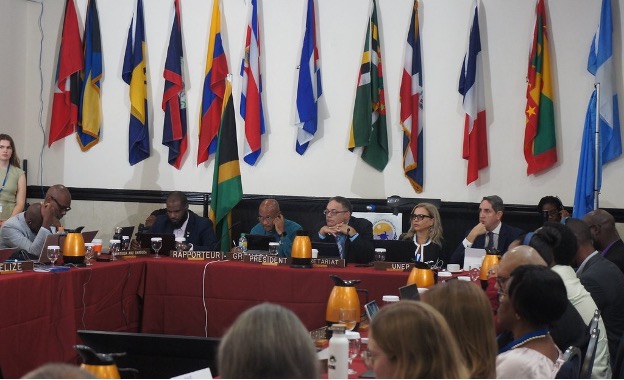
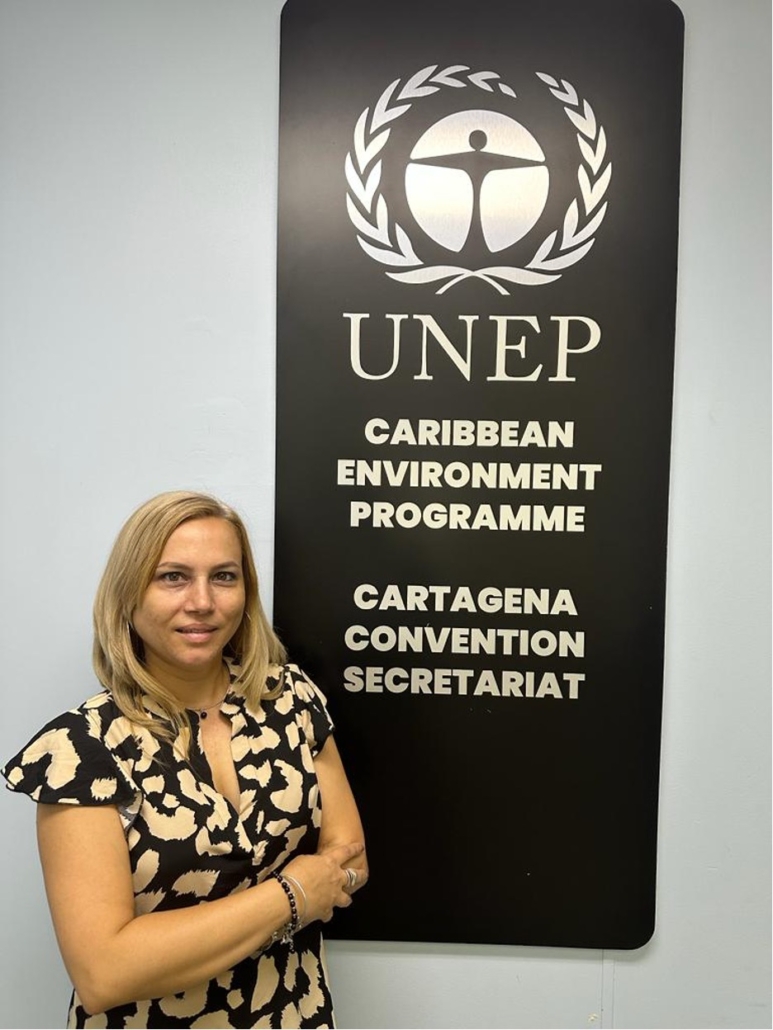
What makes me most proud and hopeful is working at the regional level through the Cartagena Convention Secretariat, supporting countries across the Wider Caribbean in translating science into concrete action. Through the implementation of the Specially Protected Areas and Wildlife (SPAW) Protocol, I see how regional cooperation can strengthen national efforts to conserve biodiversity, manage marine protected areas, restore ecosystems, and build resilience. I am particularly encouraged by the growing commitment of countries to work together and align conservation efforts across borders. Seeing science-based regional frameworks influence policies, capacity-building, and on-the-ground conservation keeps me motivated and optimistic.
What are some of the most significant challenges women or girls face in science in your context?
Women and girls in marine science and fisheries often face structural barriers, including limited access to leadership positions, field opportunities, and decision-making spaces. In some contexts, cultural expectations can discourage women from pursuing long-term careers in science, especially when fieldwork or travel is involved.
At the regional and international levels, women remain underrepresented in technical negotiations and governance roles despite their expertise. Balancing professional responsibilities with family expectations is another challenge many women continue to navigate, often without adequate institutional support.
While my own professional path has allowed me to grow in supportive environments, I remain very aware that many women continue to face these challenges. This awareness motivates me to contribute actively to creating more inclusive spaces, promoting equitable participation in regional processes, and supporting initiatives that help women and girls access opportunities, build confidence, and strengthen their presence in marine science and conservation.
 What support, opportunities, or conditions have helped you succeed?
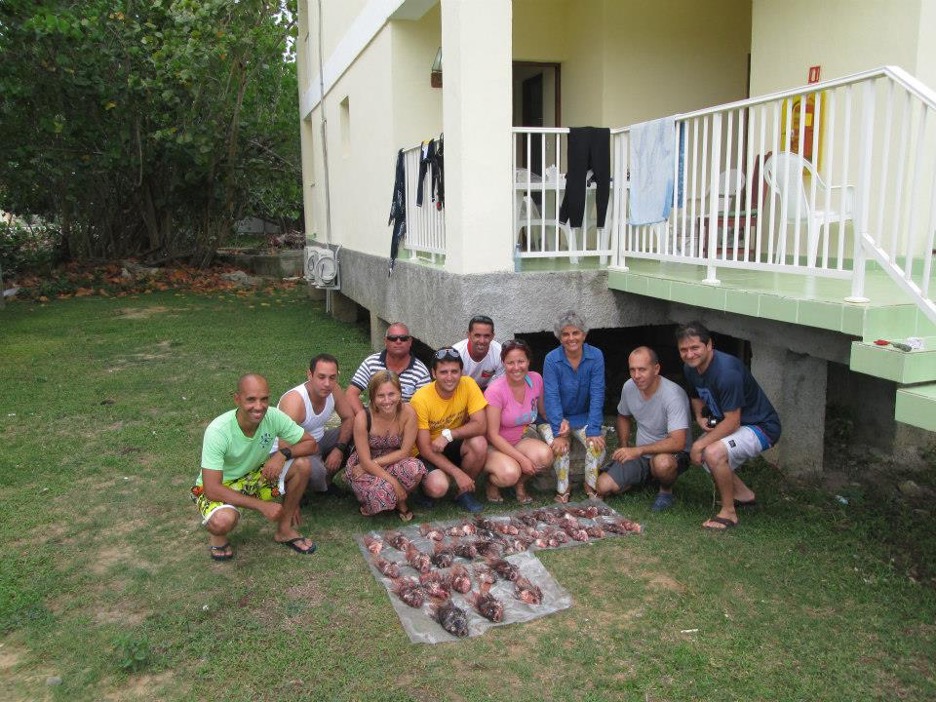
Access to excellent mentors and supervisors, along with close colleagues, friends, and family members who share my passion, as well as strong regional networks and opportunities for international collaboration, has been fundamental to my career. Working in supportive environments that value interdisciplinary approaches, linking science, policy, and management, has also played a key role in my professional development. Equally important has been being entrusted with responsibility early on and having opportunities to contribute to marine science and conservation efforts at the national level through my work with the National Center for Protected Areas (CNAP) in Cuba and the National Commission for the Knowledge and Use of Biodiversity (CONABIO) in Mexico, and now at the regional level, where science is directly connected to governance through my work under the Cartagena Convention and the SPAW Protocol. Supportive colleagues, institutional flexibility, and the recognition of women’s leadership truly make a difference in enabling women to grow, lead, and contribute effectively.
What is one way organizations like GCFI could help women and girls feel more welcome, supported, or visible in fisheries and marine science?
Organizations like GCFI can play a powerful role by actively showcasing women scientists and practitioners, particularly those working in applied science, fisheries, and management. Creating safe, inclusive spaces for women to share experiences, lead discussions, and build networks is essential. Supporting mentorship programmes, amplifying regional voices, and ensuring women are visible not only as participants but as experts and leaders can inspire the next generation and help shift long-standing norms.
Is there a woman in science, locally or globally, whose story has inspired you?
I have been inspired by many women scientists and practitioners, starting with those in my own family, who introduced me early on to biology, curiosity, and respect for nature. Over time, that inspiration has expanded to include close colleagues and friends, particularly women working quietly but persistently at regional and national levels to make conservation happen. Women who bridge science and policy, often without much visibility, have shown me that impact does not always come from the spotlight, but from consistency, collaboration, and long-term commitment. I am especially inspired by women in the Wider Caribbean who lead conservation efforts while navigating complex social, institutional, and environmental challenges with resilience, integrity, and deep dedication to their communities and ecosystems.
What message would you share with girls considering a career in science or fisheries, especially those who may doubt they belong?
You belong in science exactly as you are. Your perspective, your questions, and your lived experience matter. Science and fisheries need diverse voices, not only in research but also in conservation, management, and governance. There is no single path into science. You can work in the field, in policy, in communities, or at national, regional and global levels. Stay curious, seek mentors, support other women, and remember that meaningful change often starts with persistence.