
 What first drew you to science, fisheries, or the ocean?
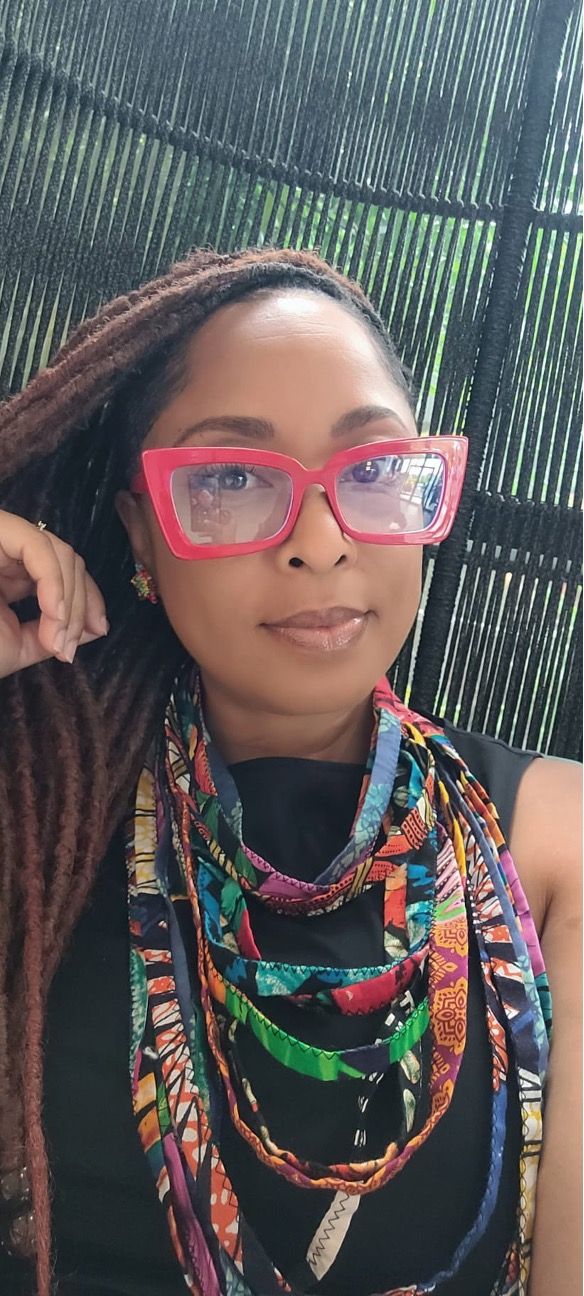
Growing up on the small and beautiful multi-island country of Saint Vincent and the Grenadines, the ocean was my backyard. As such, I held a deep, innate curiosity about the “big blue” that surrounded me. This curiosity manifested into me pursuing degrees in Marine Sciences both at the undergraduate and graduate level. However, it was shortly after my undergraduate degree that I began focusing on Marine and Ocean Policy. This was primarily because I observed some of the gaps and challenges with translating science to policy. While the science we do is of critical importance and informs policy, it ought to be translated in ways where we can all see and appreciate why we should care about: sustainable resource use and management, supporting conversation efforts, livelihoods and communities. One core belief is that science is strongest when it serves both ecosystems and the lives connected to them.
What part of your work makes you feel proud or hopeful?
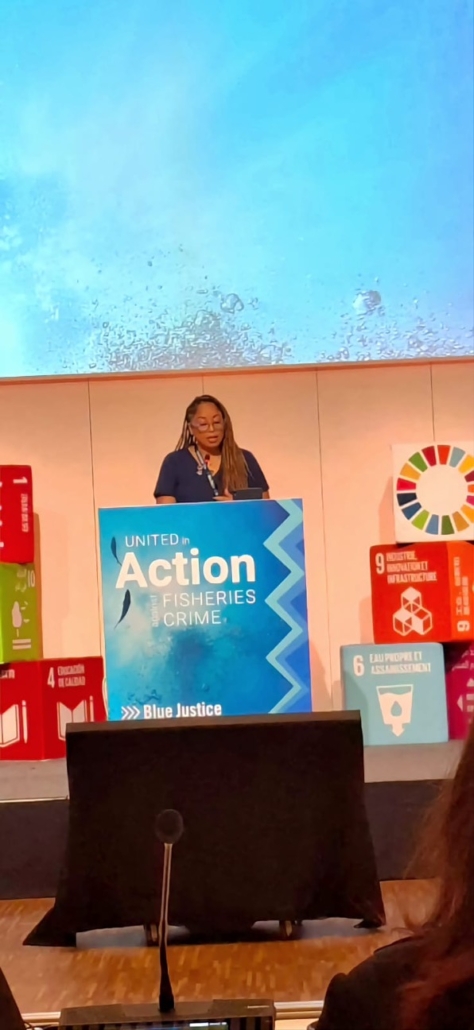
The love for the work I do has afforded me the opportunity to collaborate with regional and international organizations, contribute to influential research and policy frameworks, and support efforts to ensure that women, youth, and small-scale fishers are seen, heard, and valued in science and decision-making.
What are some of the most significant challenges women or girls face in science in your context?
The lack of exposure and opportunities to practice, experience and be innovative presents as challenges to women and girls, especially in the Caribbean region. We are big ocean states! Yet coastal, marine or ocean science isn’t reflected in our primary or secondary school curriculum.
What support, opportunities, or conditions have helped you (or others) succeed despite these challenges?
My passion and willingness to continue to pursue opportunities through volunteering, internships, fellowships, conferences, workshops, science clubs, biological and conservation societies – basically through any avenue that sparked my curiosity within marine science and policy. I didn’t have to be the best at it, I just had to be curious enough to explore. You never know if you would love, or be good at something unless you try. At the end of it, you would have gained knowledge and experience that serves you or at minimum found out that you really didn’t like something, which is just as important- because in knowing this, you can better prepare yourself for or pursue the next opportunity.
What is one way organizations like GCFI could help women and girls feel more welcome, supported, or visible in fisheries and marine science?
Curating a networking community of women and girls – sharing stories, experiences and opportunities.
Is there a woman in science, locally or globally, whose story has inspired you?
Rachel Carson – she was a marine biologist, conservationist and writer who penned “Silent Springs”. A book that became a catalyst for the environmental movement and advocacy in the USA and globally.
What message would you share with girls considering a career in science or fisheries, especially those who may doubt they belong?
To girls and women dreaming of a future in science – you don’t have to choose between curiosity and compassion, rigor and creativity, ambition and joy. There is space in science for your voice, your culture, your questions—and the life YOU want to live.