
 What first drew you to science, fisheries, or the ocean?
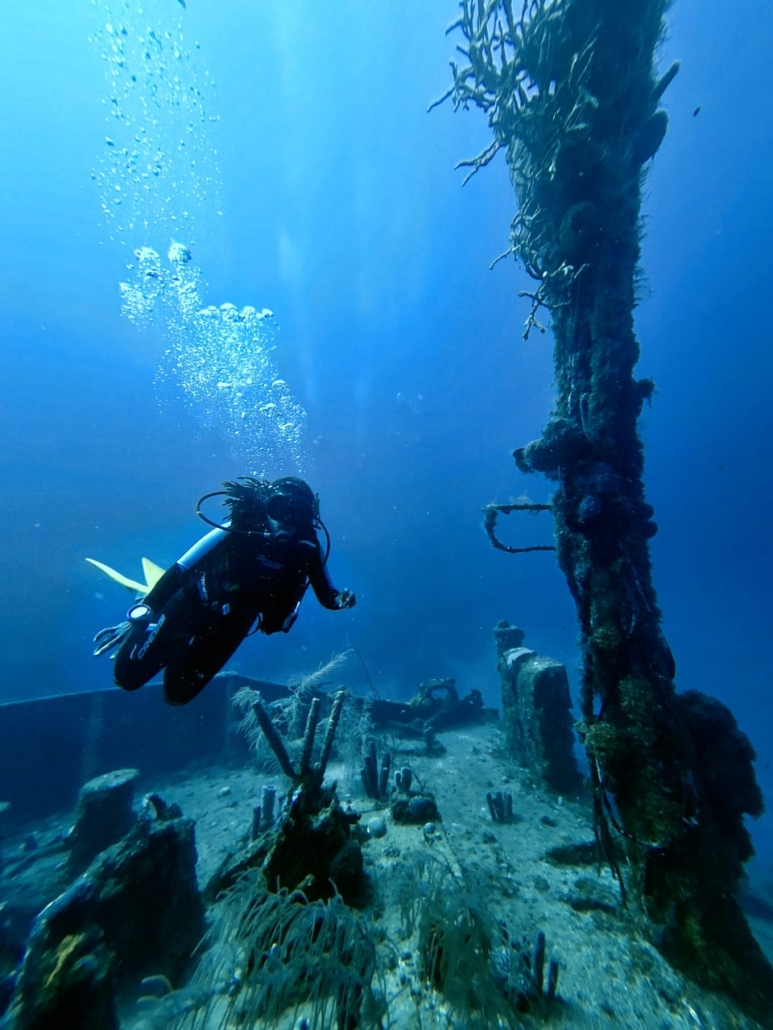
Spending time fishing and planting with my mom really sparked my love for the environment and made me appreciate nature so much more!
What part of your work makes you feel proud or hopeful?
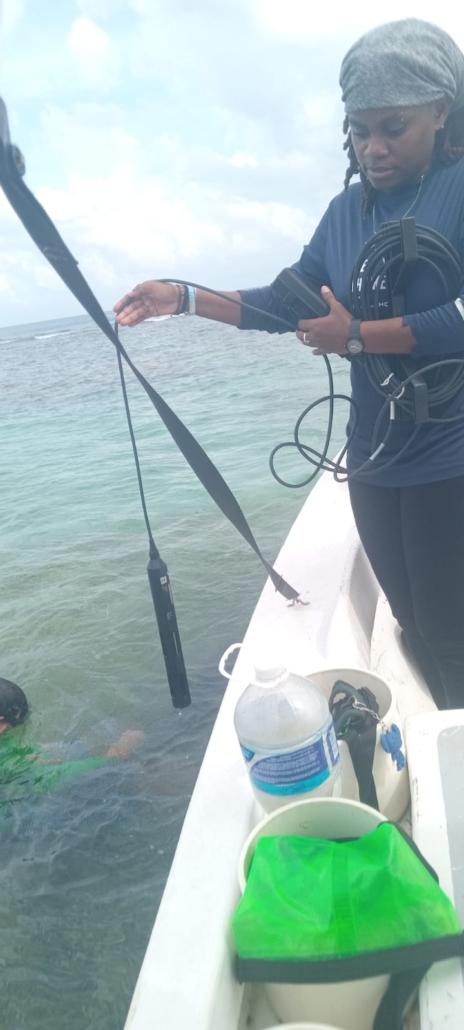
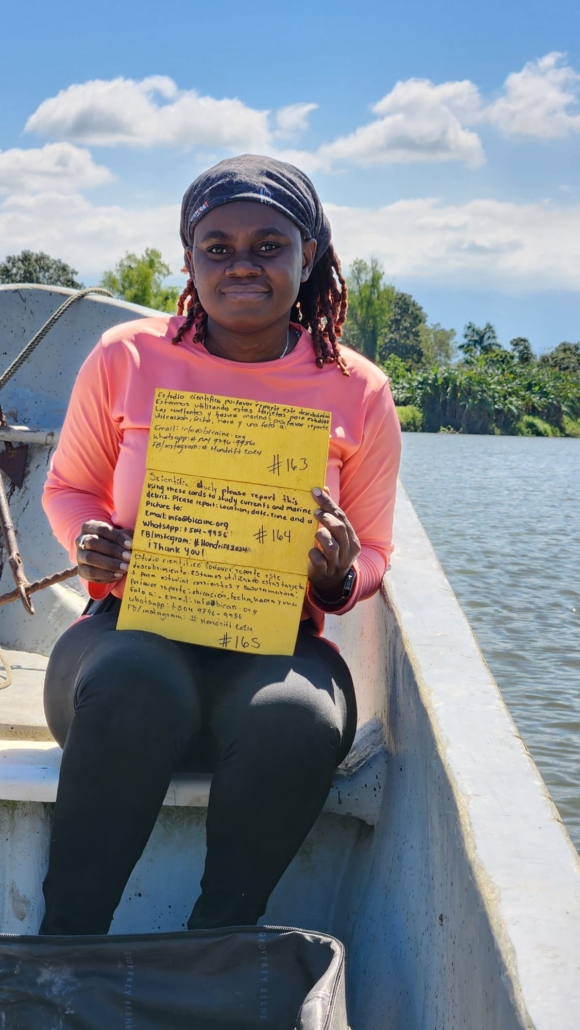
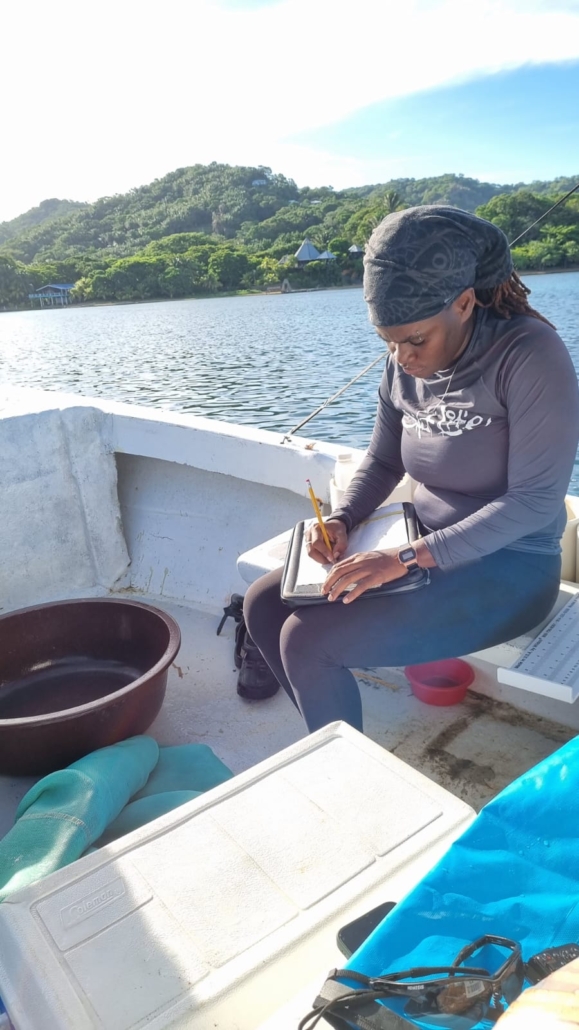
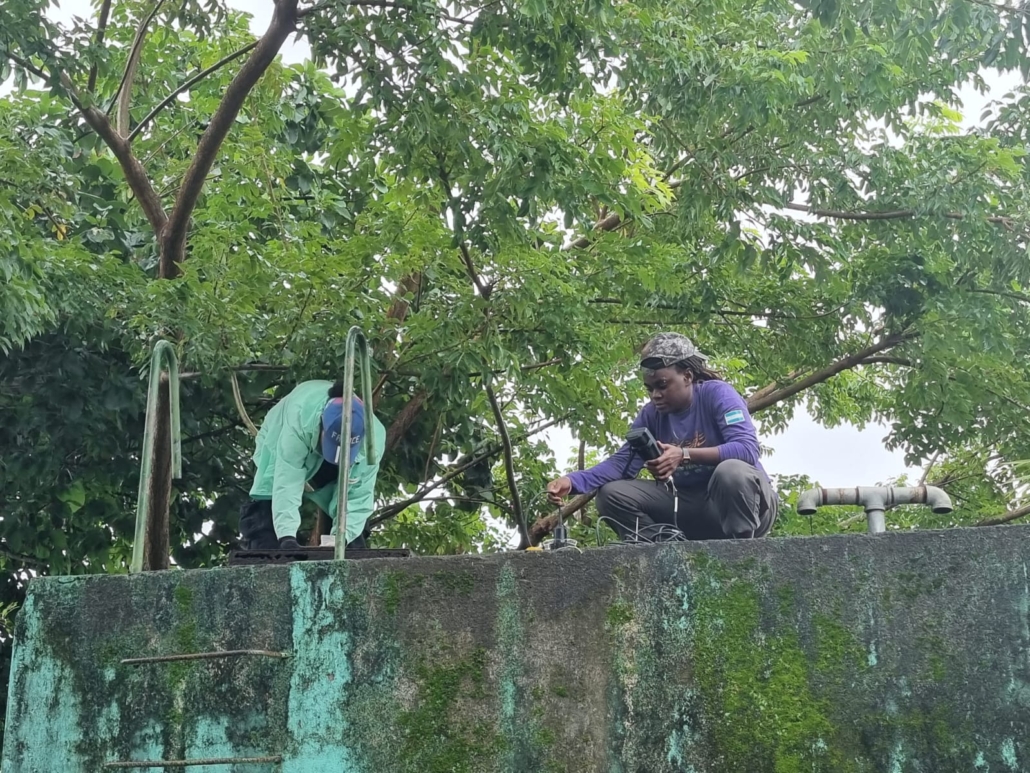
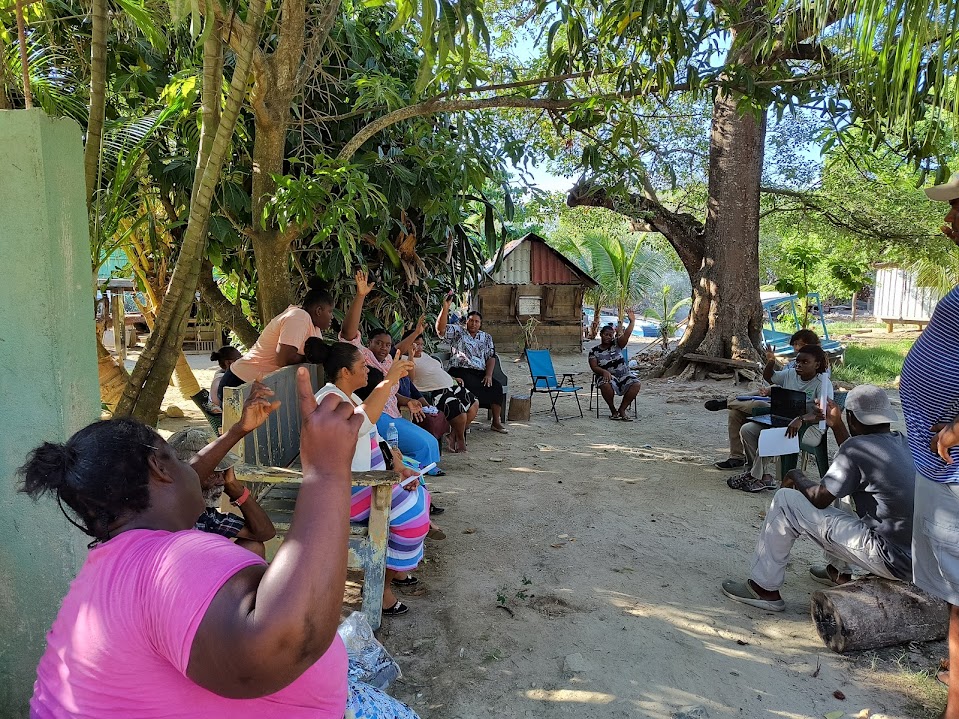
What makes me feel so proud and hopeful is seeing communities come together to protect their environment! Working hand in hand with local folks, especially around our beautiful marine and coastal ecosystems, really shows me that change starts right at home. It’s amazing to think that even small actions can lead to healthier oceans and stronger communities. This inspires me to keep going with this important work!
What are some of the most significant challenges women or girls face in science in your context?
In my experience, one of the main challenges that women and girls face in science is having fewer opportunities, mentorship, and resources available to them. Social expectations and gender stereotypes can often make it harder for girls to feel encouraged to pursue scientific careers or step into leadership roles. Plus, women in science sometimes struggle to be taken seriously, especially in fieldwork and decision-making situations, which can make it tougher to gain visibility and grow in their careers. Let’s work together to change this!y context, one of the most significant challenges women and girls face in science is limited access to opportunities, mentorship, and resources. Cultural expectations and gender stereotypes often discourage girls from pursuing scientific careers or leadership roles. Women in science also face barriers to being taken seriously, especially in fieldwork and decision-making spaces, which makes visibility and long-term growth more challenging.
What support, opportunities, or conditions have helped you succeed?
Having supportive mentors, a strong community, and opportunities for hands-on experience are crucial for achieving success in science! When we have access to training, collaborative spaces, and organizations that appreciate local knowledge and women’s leadership, it really boosts our confidence and creates a positive environment for everyone to grow and make meaningful contributions.
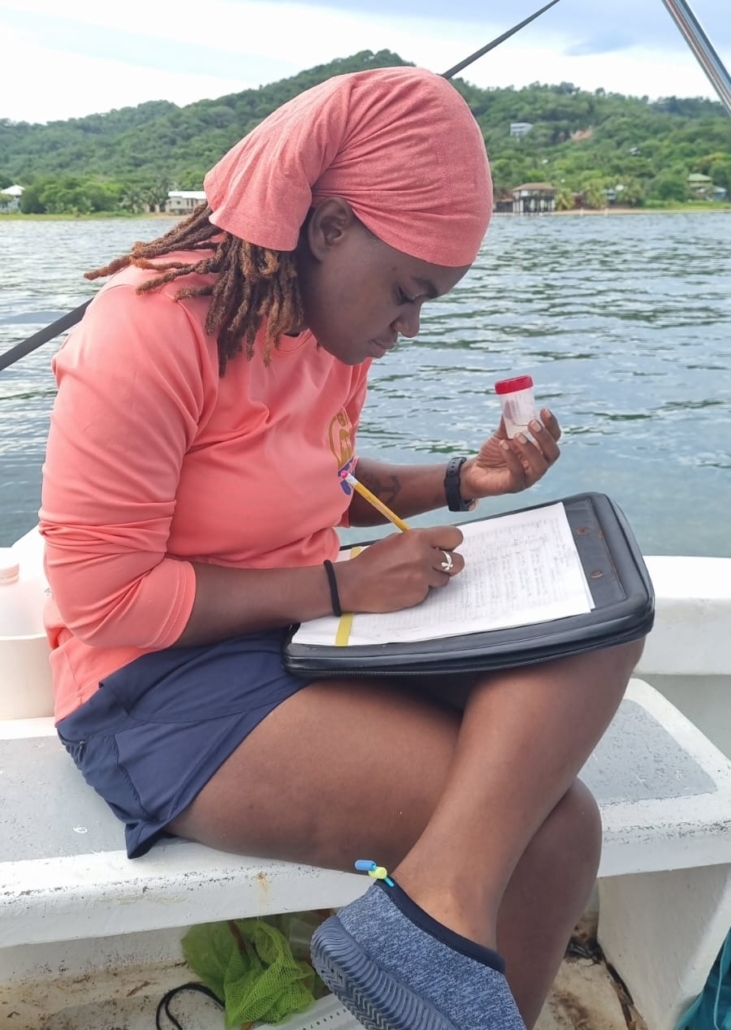
What is one way organizations like GCFI could help women and girls feel more welcome, supported, or visible in fisheries and marine science?
One great way organizations like GCFI can support women and girls is by creating mentorship and leadership opportunities that showcase their amazing work and voices. By providing training, increasing visibility, and offering safe spaces for women to get involved in research, decision-making, and fieldwork, we can help boost their confidence and make sure their valuable contributions are recognized in fisheries and marine science.
Is there a woman in science, locally or globally, whose story has inspired you?
Gisselle Brady is an incredible woman in science who has really inspired me. Her passion for marine conservation, research, and getting the community involved has made a real difference both locally and regionally. She’s a fantastic example of women stepping up in marine science, mixing her technical skills with advocacy and teamwork. Watching her lead and mentor others while creating opportunities is super motivating and shows just how important it is for women to be visible and take charge in fisheries and marine conservation. leadership in fisheries and marine conservation.
What message would you share with girls considering a career in science or fisheries, especially those who may doubt they belong?
You are meant to be in science and fisheries, even when challenges arise or when others may undermine your confidence. Your unique perspective, experiences, and connection to your community are powerful strengths. Embrace your curiosity, ask bold questions, seek out inspiring mentors, and remember that your voice and ideas are essential. Science needs passionate individuals like you.