
 What first drew you to science, fisheries, or the ocean?
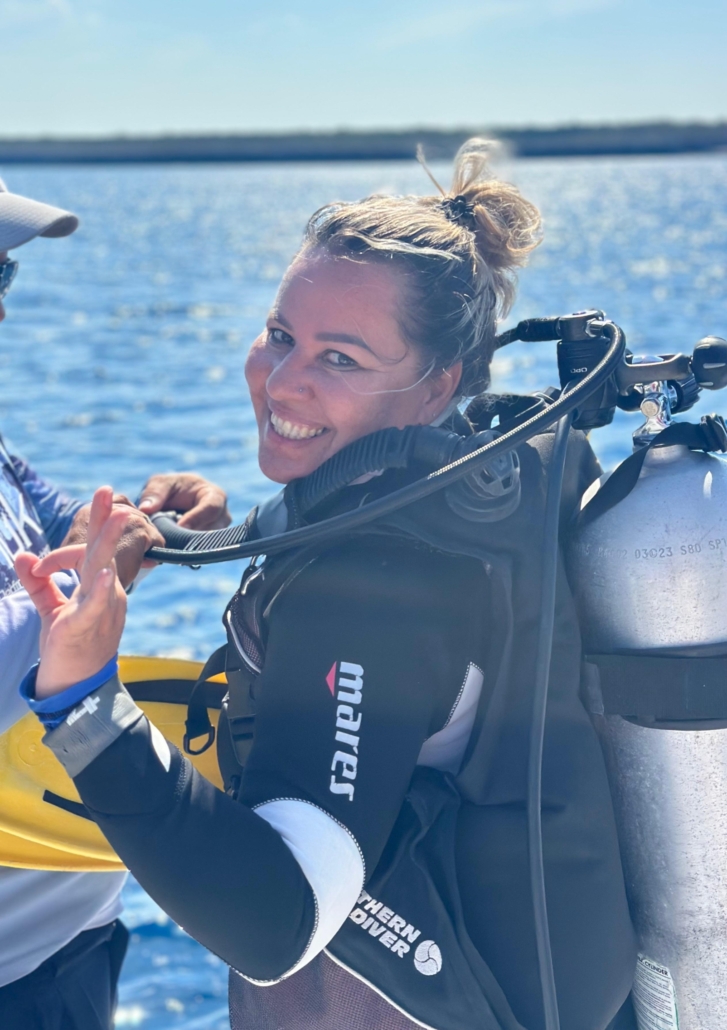
My connection with the ocean developed gradually, rooted in a deep bond with the sea and Cuba’s coastal landscapes. I was introduced to the ocean at a very young age: I remember that every summer, during the holidays, my mother would take me to the “beach.” Additionally, during my early school years, I had the opportunity to participate in stays at the “Punta Colorada” Student Camp, located on the northern coast of Sandino Municipality, where I grew up. These were my first encounters with coral reefs, mangroves, and marine species, and it was there that my curiosity for the vast blue began.
Over time, this connection evolved into a sense of responsibility. When I began my studies at the Faculty of Biology, I had a wide range of topics to explore, but it was not until my fourth year that I joined the Oceanology Institute (now the Institute of Marine Sciences), where I began training as a marine biologist, specifically in ichthyology, under the guidance of my mentor, Dr. Rodolfo Claro Madruga. From that moment, I realized that understanding marine ecosystems was not only fascinating but essential for their conservation.
During my early professional years, working directly in Guanahacabibes National Park, I confirmed how meaningful this path was for me: science truly matters when it is applied, when knowledge supports conservation, management, and decision-making. Since then, my career has been guided by the conviction that science should serve ecosystems, people, and future generations.
What part of your work makes you feel proud or hopeful?
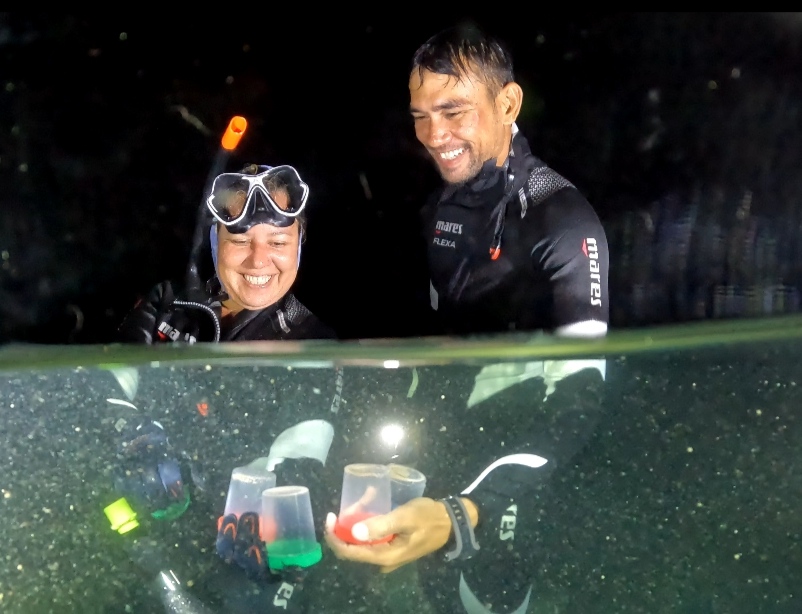
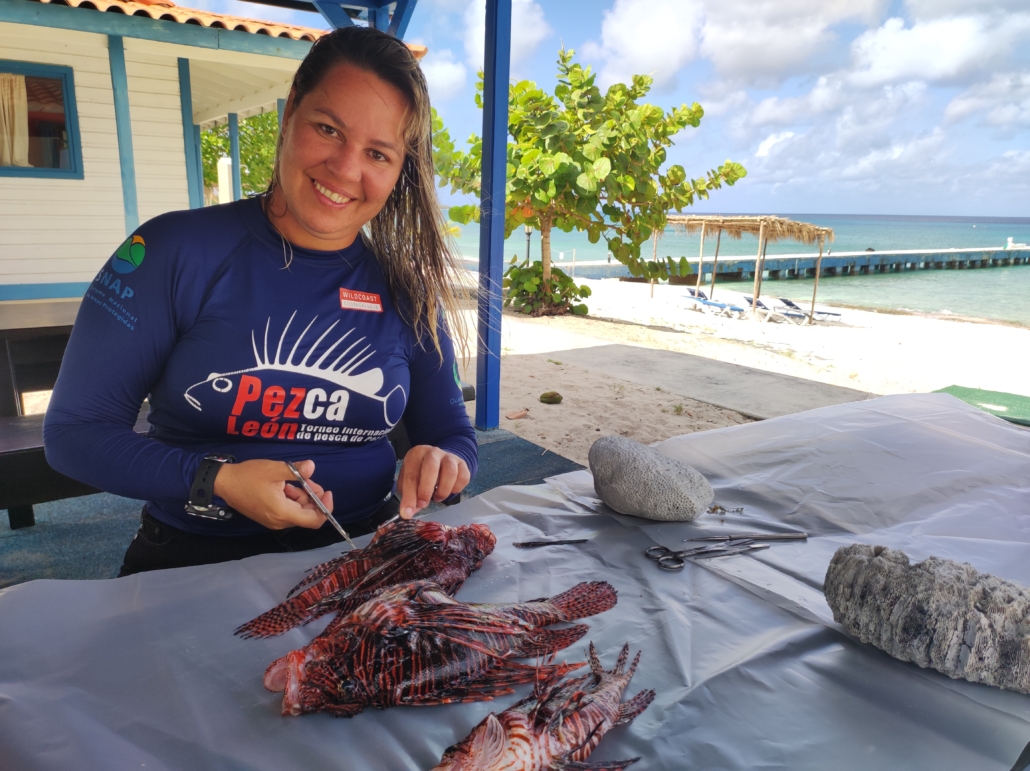
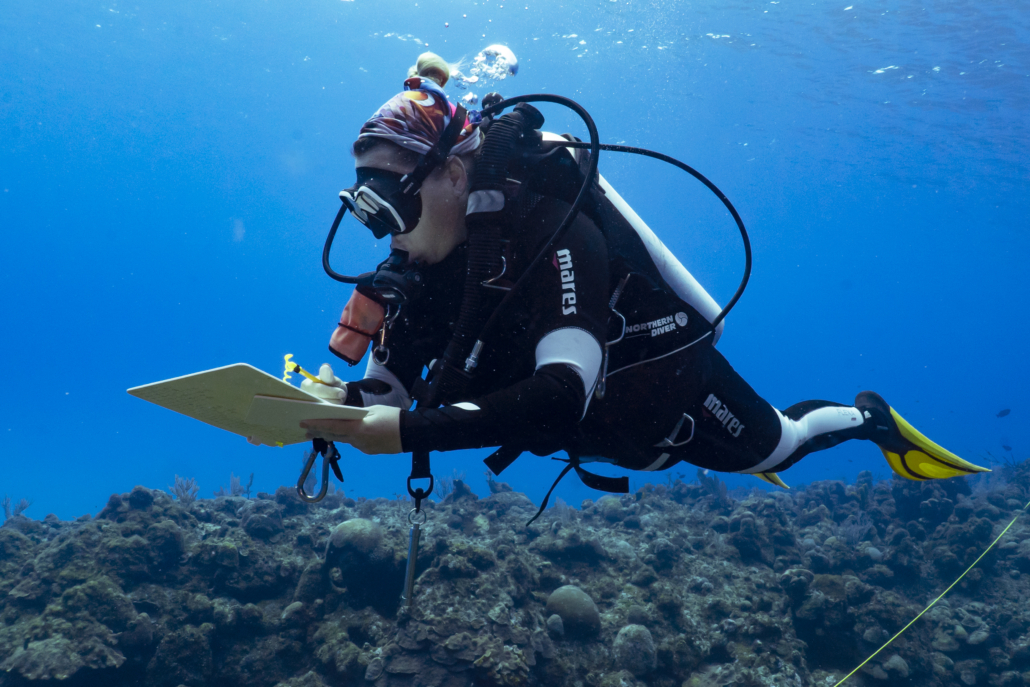
I feel immense pride and hope in having contributed for more than two decades to the conservation and management of Guanahacabibes National Park, one of the best-preserved marine protected areas in Cuba and the Caribbean. Being involved in its planning and scientific strengthening from the early stages has allowed me to witness the value of long-term commitment. Working in coral reef conservation and restoration, managing invasive species such as lionfish, and integrating science into adaptive management gives me special motivation. Seeing how scientific results are translated into concrete actions alongside local communities and managers reinforces my hope for a more resilient future for marine ecosystems.
What are some of the most significant challenges women or girls face in science in your context?
Women in marine science and fisheries face structural barriers related to access to leadership positions, participation in decision-making, and professional recognition, particularly in disciplines that involve significant fieldwork. These challenges are compounded by the need to balance professional life with family and social expectations.
Although progress has been made, there remains a need to create more inclusive and equitable environments that allow women and girls to develop professionally with stability, confidence, and visibility in marine sciences, as well as in related sectors such as fisheries, tourism, and maritime sector.
I feel very fortunate to work in Cuba, where women are given an important place in all roles. Personally, I have felt supported both professionally and within my family, which has allowed me to pursue a career in marine sciences that is deeply rewarding, though also demanding. In my current position, I strive to facilitate and promote the development of new generations of girls, young women, and female biologists, creating spaces where they can feel safe, motivated, and inspired by research and marine conservation.
What support, opportunities, or conditions have helped you (or others) succeed despite these challenges?
The guidance of mentors, supportive colleagues, and collaborative networks has been fundamental throughout my career. Working in interdisciplinary environments that value applied science and its connection to management has been key to my development. Early opportunities to take on responsibilities, lead projects, and participate directly in the management of marine protected areas allowed me to see firsthand how science can directly influence ecosystem conservation and management. Institutional trust, regional and international cooperation, and recognition of women’s leadership have made a significant difference in my journey.
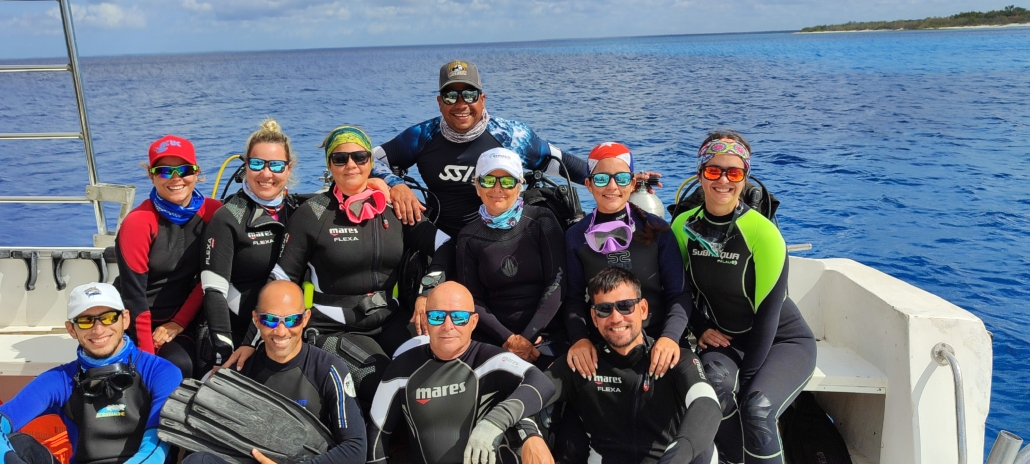
Throughout my career, I have established and strengthened strategic alliances with scientific, academic, governmental, and non-governmental institutions at national, regional, and international levels, integrating science, management, and community action.
 What is one way organizations like GCFI could help women and girls feel more welcome, supported, or visible in fisheries and marine science?
Organizations such as GCFI are well positioned to elevate the contributions of women scientists and managers, particularly those engaged in applied research, fisheries, and conservation. Creating supportive and inclusive environments where women can exchange experiences and expand professional networks is critical. Strengthening mentorship opportunities, showcasing regional perspectives, and ensuring greater recognition of women as authorities and decision-makers can motivate future generations while contributing to the dismantling of longstanding barriers to inclusion.
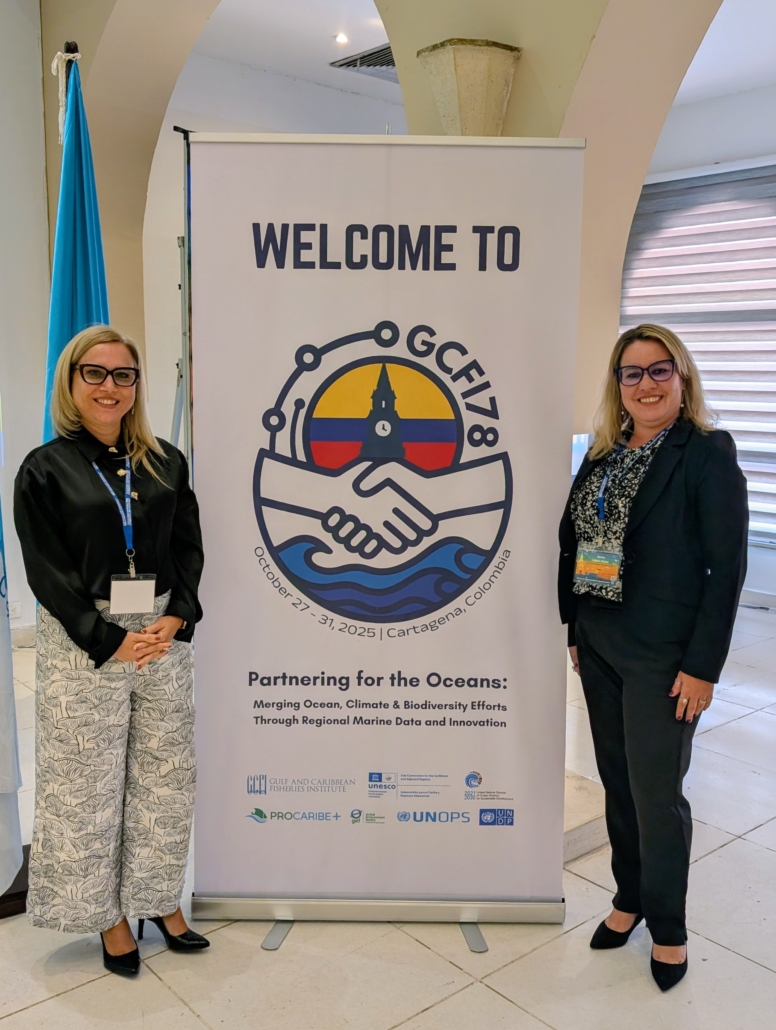
In my personal experience, I have participated in several GCFI events, which have been incredible opportunities to learn about research focused on key species and priority ecosystems in the Caribbean and the Gulf of Mexico, as well as the conservation and management actions implemented by various academic institutions and NGOs. These events have also allowed me to witness the work and dedication of different networks and fishing communities, and to learn about the diverse cultures of the region, as each year the event is hosted in a different country. I have learned a great deal and have been able to replicate some of these successful experiences in Cuba.
Is there a woman in science, locally or globally, whose story has inspired you?
I am inspired by many women who work consistently and with dedication to marine conservation, especially those who integrate science, management, and public policy without seeking personal recognition. Their example demonstrates that impact is built through perseverance, collaboration, and long-term vision. I particularly admire women in the Caribbean who lead conservation processes while facing complex environmental and social challenges with resilience, integrity, and a deep commitment to their coastal communities.
A woman who has deeply inspired me is Dr. María Elena Ibarra Martin, a renowned Cuban scientist in the field of marine sciences. She served as Director of the Center for Marine Research at the University of Havana for over 25 years and as President of the Cuban Society for Environmental Protection, ProNATURALEZA. She led important conservation projects for Cuba’s native wildlife, particularly the Marine Turtle Conservation Program in the Guanahacabibes Peninsula, the area where I currently work. I admire her leadership, passion, and dedication to marine research and conservation, as well as her commitment to mentoring new generations of female scientists. Her career demonstrates how science can generate tangible impacts in conservation, environmental education, and local communities. Although she passed away on May 5, 2009, her legacy continues to inspire my work and my commitment to protecting marine ecosystems in Cuba and the Caribbean.
What message would you share with girls considering a career in science or fisheries, especially those who may doubt they belong?
To girls considering a career in science or fisheries, especially those who may doubt their place, I would say that your curiosity, questions, and perspective are valuable and needed. Science and conservation require diverse voices and talents, and there is no single path: you can contribute through fieldwork, research, management, education, or environmental policy. Challenges are part of the journey, but passion, perseverance, and collaboration make the difference. Seek mentors, build supportive networks, learn from other women scientists, and do not fear making mistakes—every experience is an opportunity to grow. Your work can have a real impact on ecosystem conservation and on the lives of communities. As a woman in marine science, I can say that when you follow your curiosity with dedication and integrity, you find your place and leave a legacy that inspires future generations.