

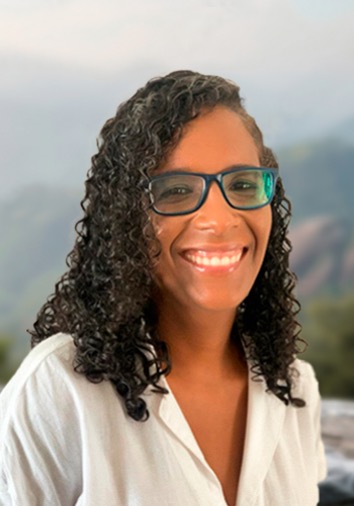
 What first drew you to science, fisheries, or the ocean?
I’ve always loved the sea and going to the beach. My mother tells me that when I was a baby, any time we would drive along the harbour in Kingston I’d want to stop and go splashing in the water. As I got older I became more aware of environmental issues, particularly marine issues and got more involved with them in high school where I joined the environment club and then pursued biology degrees in university, with a focus on marine issues. I particularly loved working with animals, especially marine mammals and sea turtles.
What part of your work makes you feel proud or hopeful?
I’m proudest when I think I’ve made a difference, and contributed to change, particularly with respect to changing peoples’ perspectives on the environment. For example, I was working on a sea turtle monitoring project in Jamaica and during one of the workshops I was speaking to a poacher who eventually promised to stop taking turtles. I wasn’t sure if he would actually do that but I later learnt that during that nesting season he not only didn’t take any turtles but convinced other poachers to leave a nest alone and instead got the community to watch the hatchlings emerge. Students have also told me that my classes have helped them re-think how they interact with the environment and some have stopped littering, have started recycling and created vegetable gardens. Moments like those are the ones that I’m most proud of and push me to keep trying.
What are some of the most significant challenges women or girls face in science in your context?
Sometimes it feels like you’re not being heard, or taken seriously, and that can be frustrating. Other challenges include access to resources so you can further your education, or conduct the research that you’re interested in.
What support, opportunities, or conditions have helped you succeed?
I’ve been very lucky and have always been supported and encouraged by my family, and that support has been extremely important. I think, however, that you also need to be persistent. If there are courses that you want to take, research you want to conduct or projects you want to undertake, you have to be persistent and push to make those things happen. That can include writing proposals for funding, advocating for change or developing working relationships with established researchers so you can gain experience you have to consistently push to get the work that you want to do done.
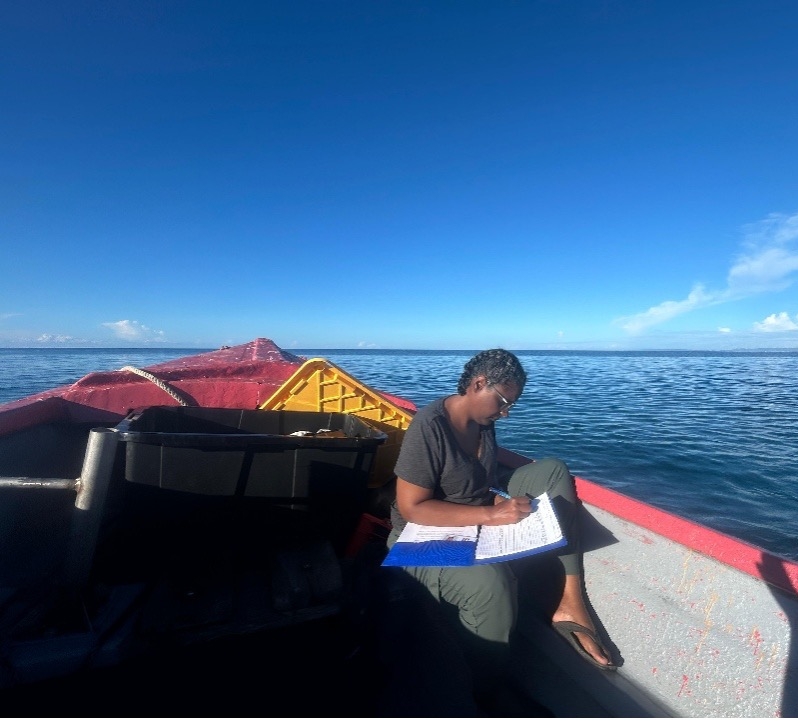 What is one way organizations like GCFI could help women and girls feel more welcome, supported, or visible in science?
I think highlighting the work that women and girls are doing is a wonderful first step because it provides young women with an opportunity to learn about the work that others are doing, encourages them to keep trying, and gives them opportunities to interact with others doing similar work. GCFI could also help to support mentorship opportunities by connecting established scientists with students interested in conducting similar research.
Is there a woman in science, locally or globally, whose story has inspired you?
I’ve always wanted to meet Jane Goodall, and I’m sorry I never had the opportunity to. I first learnt about her when I read “In The Shadow of Man” in university and I was just amazed by her story and everything she’d been able to accomplish. It made me want to be like her.
What message would you share with girls considering a career in science, especially those who may doubt they belong?
I think you should always pursue what makes you happy. There are times when it will be really hard, and frustrating -and you’ll have to power through those but there will also be moments that are joyous and fulfilling and those are the ones that count and you should focus on. Never let anyone make you feel like you are less than anyone else. Your contribution is just as important as anyone else’s.