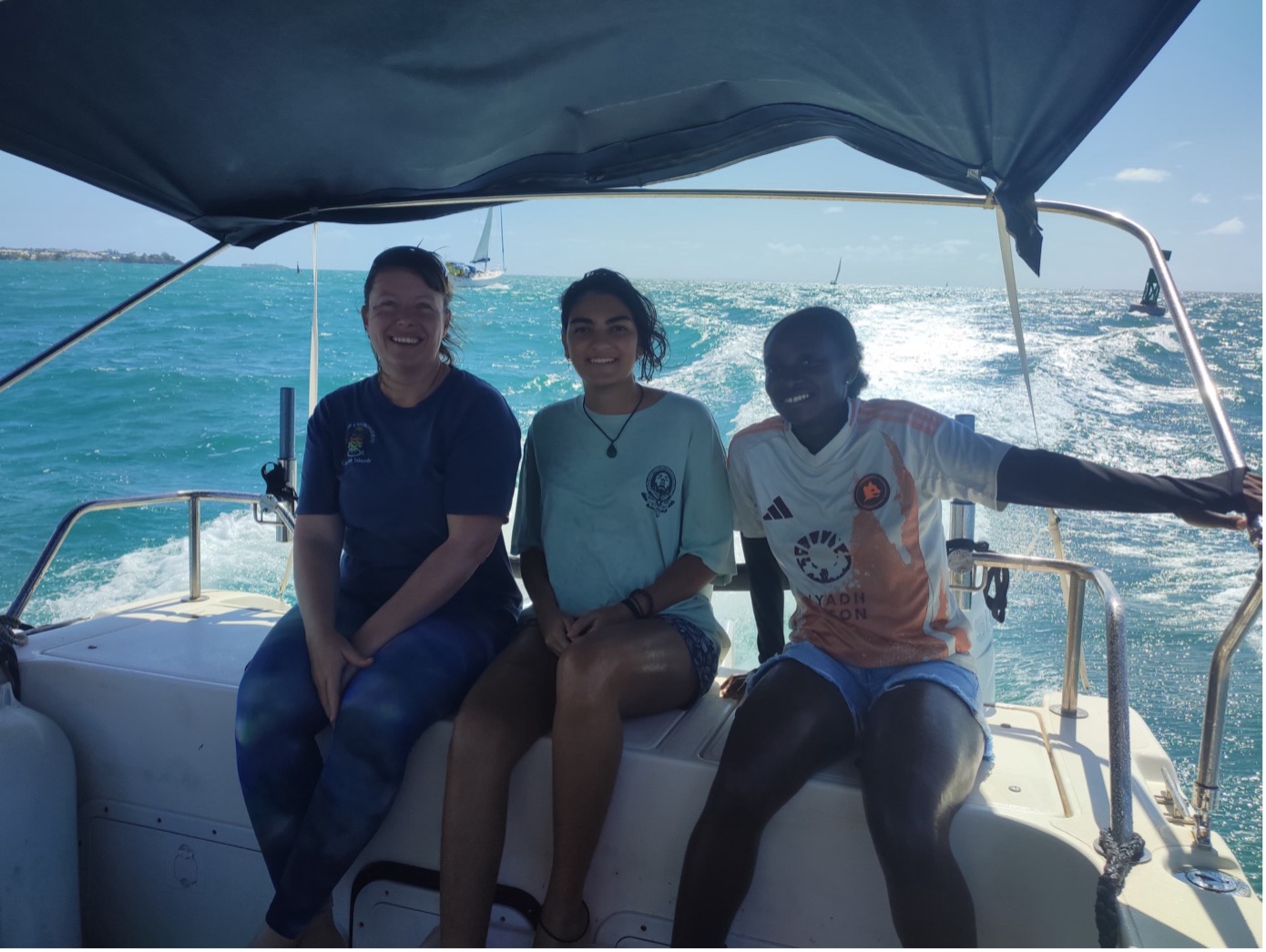

 What first drew you to science, fisheries, or the ocean?
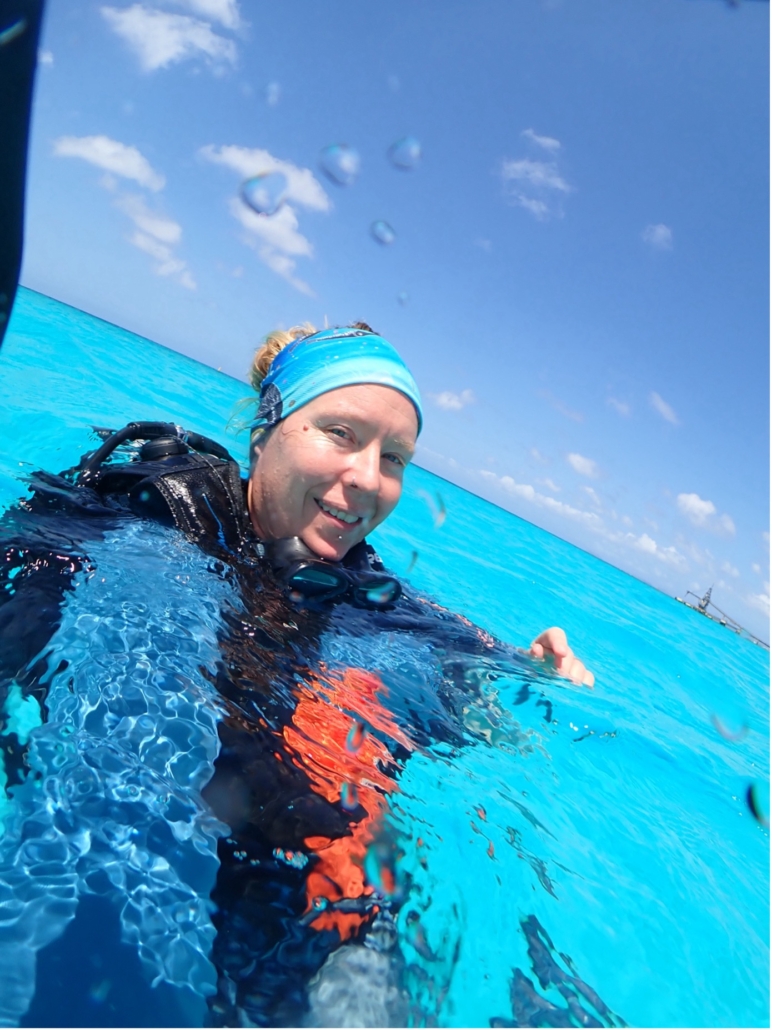
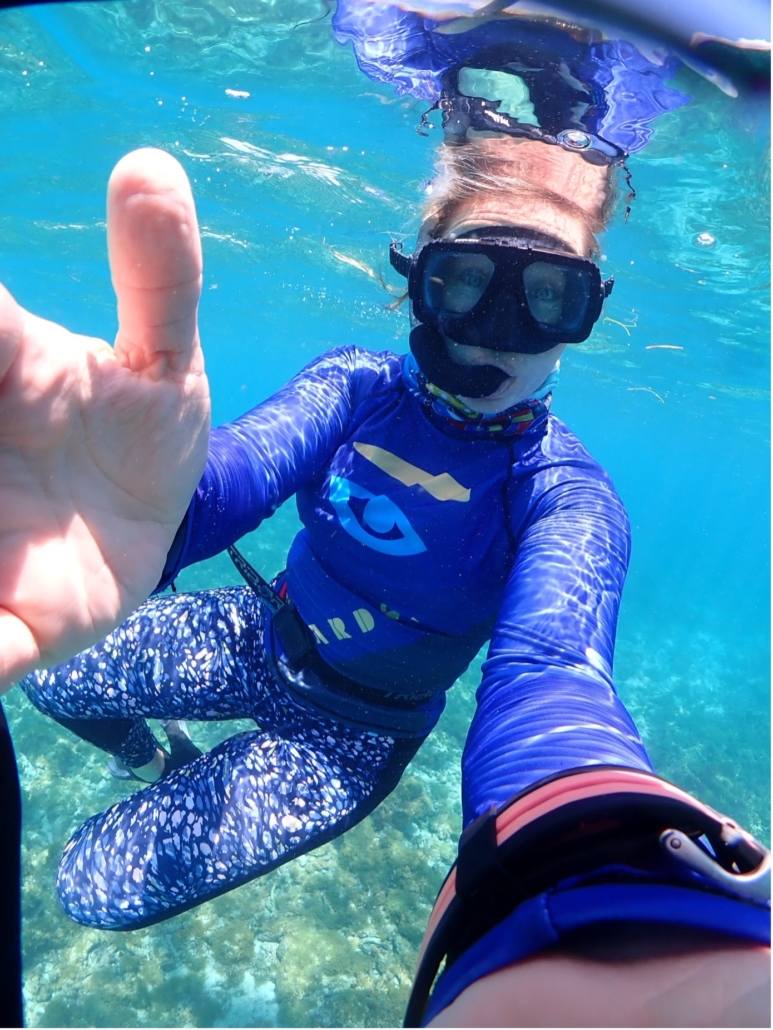
I have always been drawn to the marine environment, ever since I was very young. I found some of my childhood drawings where I drew octopuses and corals! t was when I started scuba diving that I knew I was in the right place.
What part of your work makes you feel proud or hopeful?
Coral reefs and associated ecosystems are under serious threat. It can sometimes be difficult to remain optimistic. What makes me proud is hearing children, young people and adults talking about these ecosystems because they have read articles or seen reports, and I can see that they are aware of the respectful behaviour required. I am glad that information is circulating and that people are talking about it around them.
What are some of the most significant challenges women or girls face in science in your context?
In marine ecology, there is often fieldwork involved, handling measuring equipment, heavy or bulky items…the most difficult thing is being able to be and remain proactive without having the tools taken out of your hands. Colleagues can sometimes be a little too protective!
What support, opportunities, or conditions have helped you succeed?
I think it’s precisely because people trusted me as a young female scientist, because certain people gave me free rein (or rather, handed me the keys to the ship), that I was able to show what I was capable of.
What is one way organizations like GCFI could help women and girls feel more welcome, supported, or visible in fisheries and marine science?
The testimonials of female scientists who have succeeded in marine science are very important. They show, for example, that being a woman and a marine biologist is not utopian and that it is accessible to all women if they want it.
Is there a woman in science, locally or globally, whose story has inspired you?
Mireille Harmelin-Vivien, my thesis supervisor, has been an inspiration to me. She has been a pioneer in several fields: scuba diving, field missions to remote islands, and as the only woman in what was at the time a very male-dominated environment… I greatly admire her for her courage and strength of character, which have enabled her to achieve her dreams.
What message would you share with girls considering a career in science or fisheries, especially those who may doubt they belong?
You have to follow your heart… nothing is impossible!