
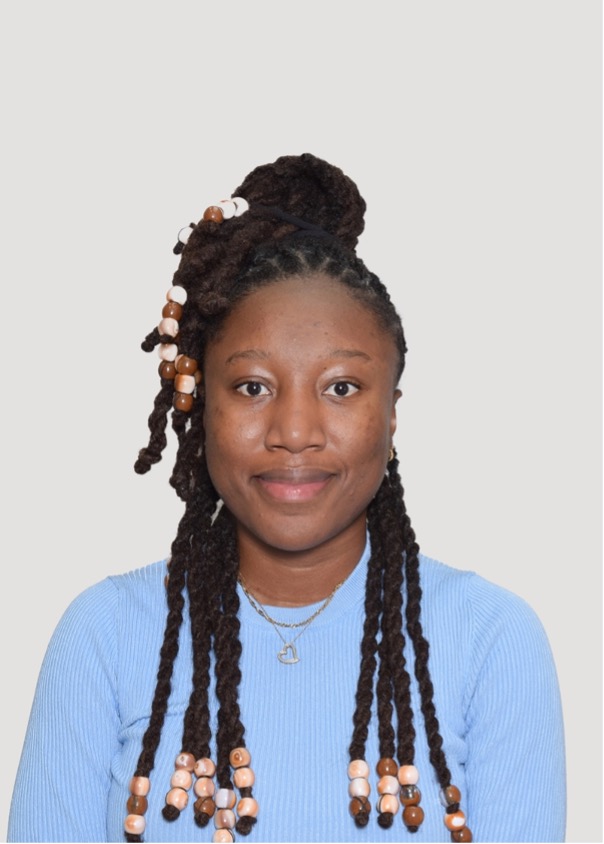
 What first drew you to science, fisheries, or the ocean?
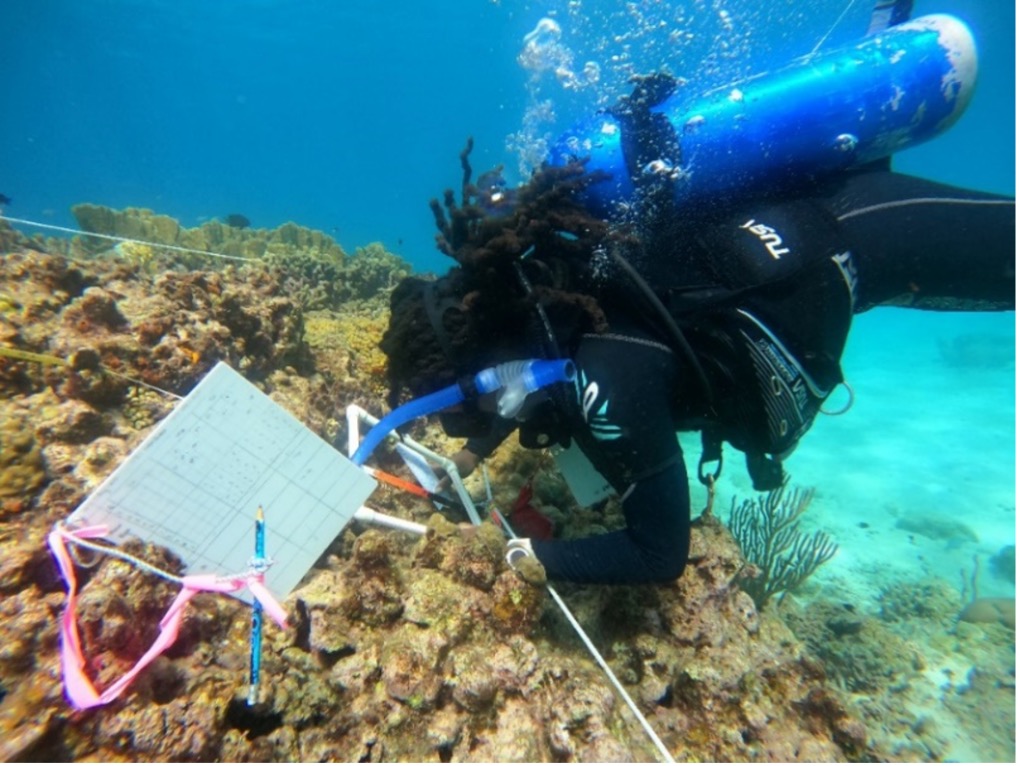
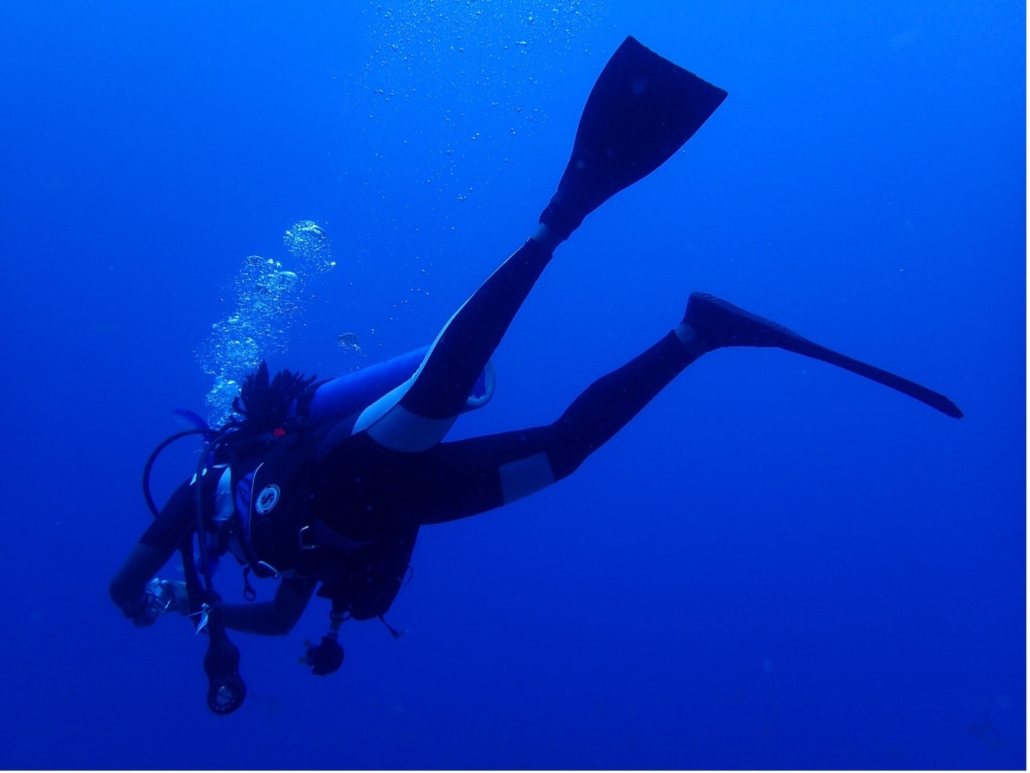
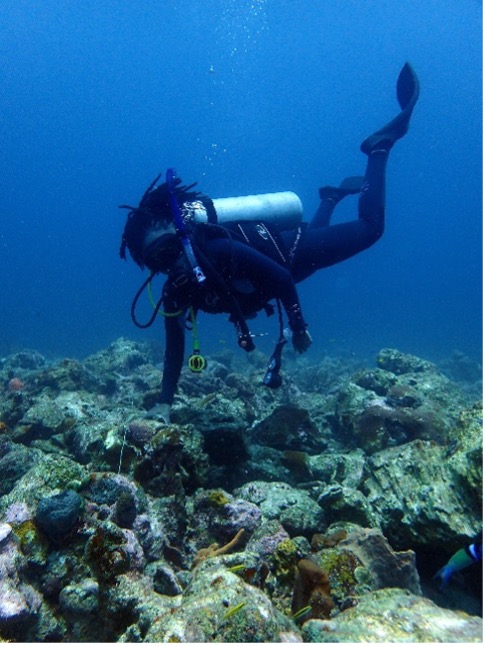
Having grown up in the Caribbean and on the south coast of Barbados, I have been surrounded by the sea all my life and have always had a love for it and the marine environment. When I was younger, I read a few magazines by the Coastal Zone Management Unit which documented the work they were doing and educated me on coastal and marine research. This opened my eyes to the world of marine biology and ignited my desire in becoming a marine biologist. Since then, my love for the sea and marine life has grown and having the opportunity to conduct coral reef and sargassum research made me realise how much the marine field mattered to me.
What part of your work makes you feel proud or hopeful?
While pursuing my masters, my thesis focused on coral reef anchor damage. The results from this work made a difference and led to policy change. That was a significant moment in my young career and I am just proud that my research was able to make a difference. It helped me realise that scientists really matter and change is possible.
What support, opportunities, or conditions have helped you succeed?
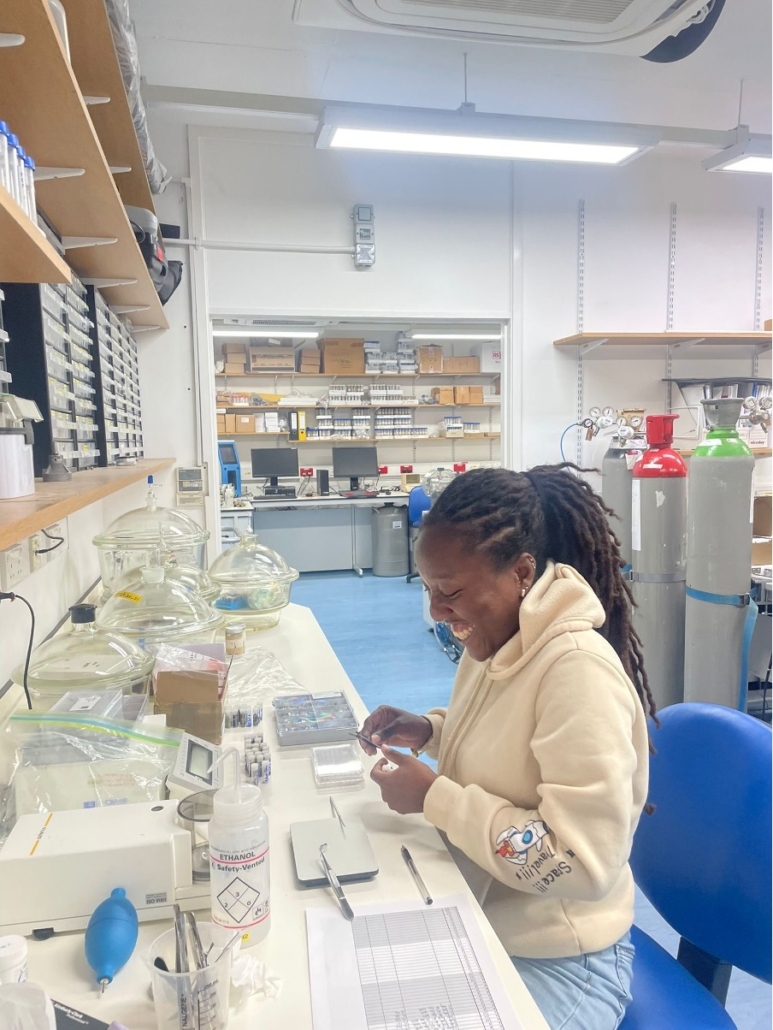
I have been fortunate to be surrounded by great mentors in the field, many of which are women, who have guided me and taught me a lot of what I know today. They have always been willing to help and support me in anyway they can. I am where I am today thanks to them. I have also been able to receive research scholarships and grants which have allowed me to advance my studies and career.
What is one way organizations like GCFI could help women and girls feel more welcome, supported, or visible in fisheries and marine science?
I believe a mentorship programme would be great. Where advanced women in the field are partnered with a early career researcher or a young lady interested in marine science. Organizations can also reach out to girl marine science clubs/groups and provide them with exposure and experience. I think it is important that young girls see that there are women in marine science, especially women that look like them.
Is there a woman in science, locally or globally, whose story has inspired you?
Prof. Hazel Oxenford has been monumental in the researcher that I am today. She was my masters thesis supervisor and since then has always been supportive of my journey. I have learnt so much about the field and academia from her and received many opportunities thanks to her. She has been a wonderful mentor.
What message would you share with girls considering a career in science or fisheries, especially those who may doubt they belong?
If I can do it, so can you. Just believe in yourself, chase your dreams and put in the hard work. Don’t let “no” stop you from pursuing your dreams. Go to the sea and learn about the marine life around you. A part of being a researcher is learning, so be okay with not knowing everything and be excited to learn new things.