
 What first drew you to science, fisheries, or the ocean?
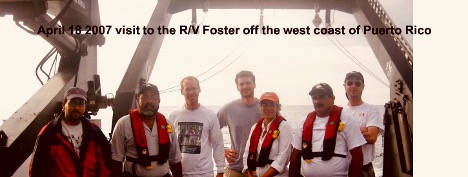
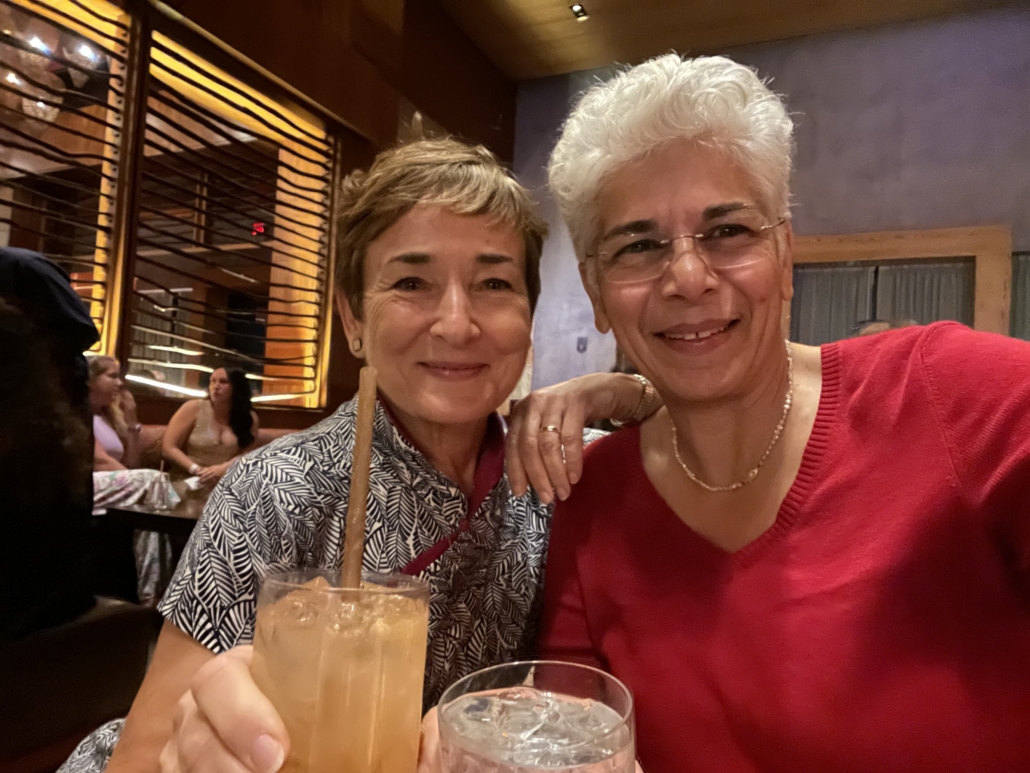
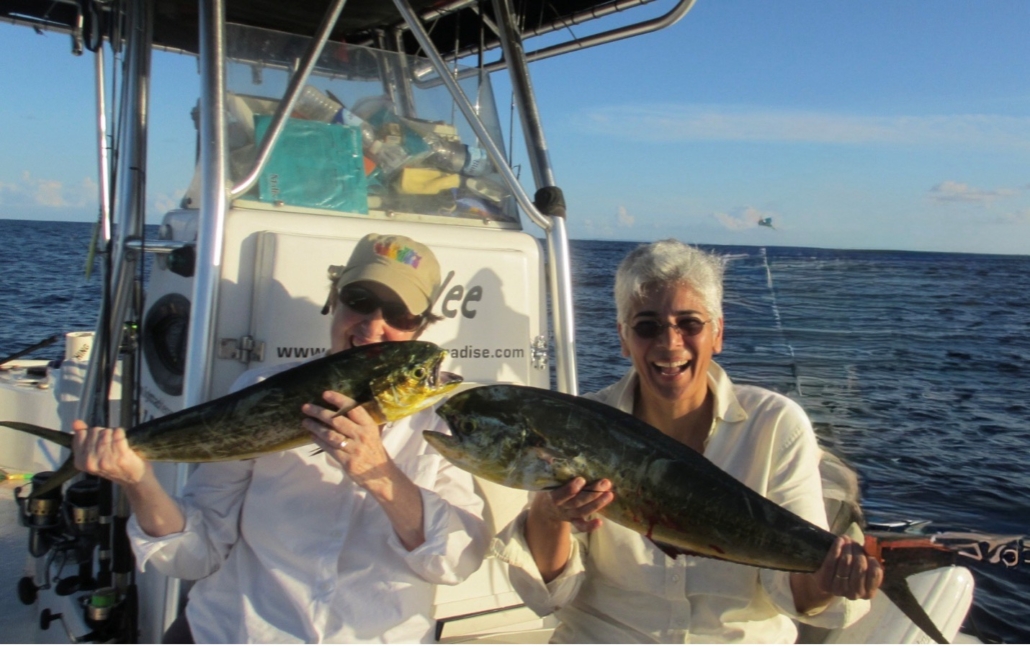
The first memory that drew me to the ocean was growing up in a small fishing town in Puerto Rico. Being at the beach when the fishers – and the community – pulled the beach seine or chinchorro in Spanish–on to the sand BUT leaving the bunt (seno o buche in Spanish) in the water. Fish were returned to the water if too small or not good as food. I would go with my grandfather to buy fish from the commercial fishers just as they were landing the fish. I remember a woman being in charge of the sales. She told my mother that I would do something related to the sea. A liberal arts education led to trying to figure out what was next. Learning to SCUBA dive, a friend insisted on driving me the University of Puerto Rico, Mayagüez Campus and nudged me to apply – credits deficiency and all – to the Graduate Program in Marine Sciences. Lo and behold, Dannie Hensley (RIP) interceded and I was accepted into the MSc program … Yes, I caught up and graduated! During that time, I had the opportunity to work with commercial fishers in La Parguera. How exciting it was working with sex changing groupers, their home ranges and searching for fish spawning aggregations! I was definitively hooked! Not only hooked on working in fisheries, much later pursuing a PhD, and also going on 46 years with my wife, also a marine biologist, Dr. Denise De Vore.
What part of your work makes you feel proud or hopeful?
I am proud that most approaches I have used in working on fishery management have been practical, have considered – heavily considered- how beneficial these management measures would be to the fishing community and to the fish populations. I am hopeful that we will continue efforts toward really pursuing ecosystem-based fisheries management and that we will continue making progress in mapping the deep waters of the U.S. Caribbean and beyond. I am hopeful that I will have another chance to name a species. I am proud of having been able to engage fishers in research, in the planning of the various NOAA missions to the deep-waters of the U.S. Caribbean.
 What are some of the most significant challenges women or girls face in science in your context?
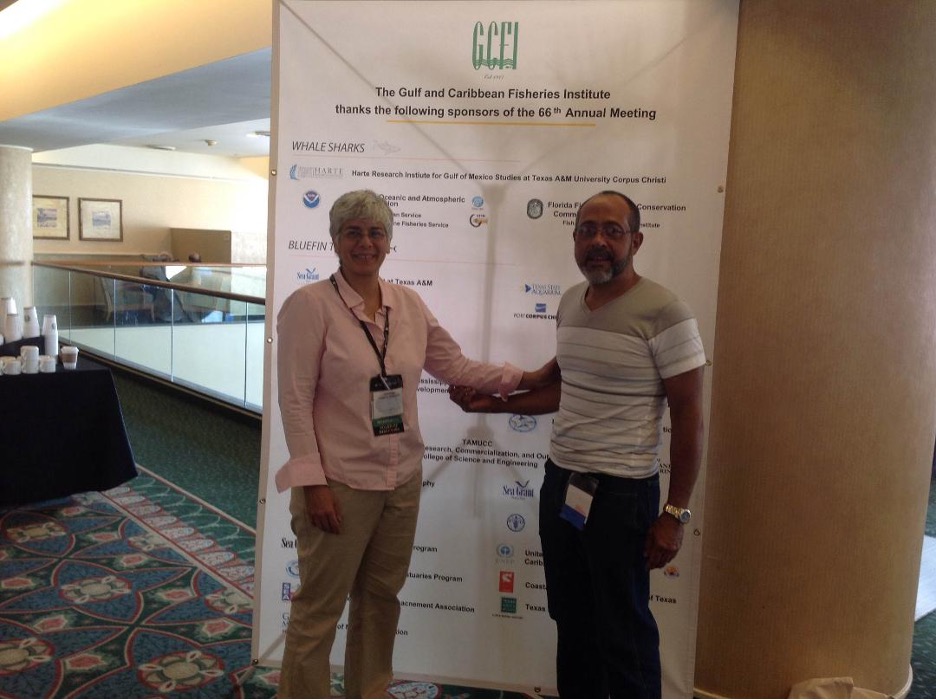
I remember clearly when I was, if not the only one, one of the few women at a fishery decision-making meeting. Yes, including the GCFI! I hope the trend of inclusiveness continues. In this context, women and girls need to speak up at meetings, while doing research, talk to the press about your concerns and interests. It helps to bring thoughts and ideas into focus. A significant challenge for women in fisheries management is the availability of gender-specific opportunities needed until we have equality.
What support, opportunities, or conditions have helped you succeed?
Great support came through my mentors in most of my student/career paths: Dannie Hensley (RIP), Richard Appeldoorn and Roy Armstrong – at UPRM, Jim Yoder (GSO, URI; WHOI); Máximo Cerame Vivas, and most significantly, Miguel A. Rolón who has been a great supporter of the work done through our jobs at the Caribbean Fishery Management Council.
The support of colleagues: Yvonne Sadovy since our time at the Department of Marine Sciences, UPRM; Dalila Aldana since she opened the doors to the Chairwomanship of GCFI, with yours truly following in her steps.
The support of fishers who have shared with me many insightful information and with whom I was able to consult freely- to name a few: Godoberto López (RIP), Tomás Padilla (RIP), Julian Magras, Gerson Martinez, Nelson Crespo, Miguel Guelo Vargas, Marcos Hanke, Carlos Velazquez, Andy Maldonado, Pat Skov, and many others who have contributed to my knowledge of fisheries.
 What is one way organizations like GCFI could help women and girls feel more welcome, supported, or visible in fisheries and marine science?
I was able to witness the dramatic change in the increased participation of women in GCFI at all levels. We have had 3 women as Chair of the GCFI (Dalila Aldana, Graciela Garcia-Moliner (me!) and Nancy Brown-Peterson … in 78 years); the first woman Executive Director – Fadilah Ali in 2026! We need to do more. Perhaps one way would be to find the funding to bring more women to the GCFI every year.
Is there a woman in science, locally or globally, whose story has inspired you?
See Yvonne Sadovy’s story! Link to article
What message would you share with girls considering a career in science or fisheries, especially those who may doubt they belong?
It is not a cliché to say… FOLLOW YOUR DREAM AND MAKE IT COME TRUE. If it doesn’t feel good – for example the topic of your studies, of your thesis, or your major professor – take action and change course! Try new topics in oceanography -like a liberal arts/science education – explore the deep-sea, science communications (use the languages you know), fish population biology, remote sensing, fish behavior, programing, photography: become a jack of all trades and master of many! If one field is not the one you love, try another one, find your fit, your niche! If you get seasick when you are at sea (like I do!) … learn robotics so that they can go out to sea for you.
Learn, learn, learn! Learn to connect the dots of the many fields you can explore! Most importantly, maintain a balanced life – this is very important for success. Have fun and enjoy what you do!