
 What first drew you to science, fisheries, or the ocean?
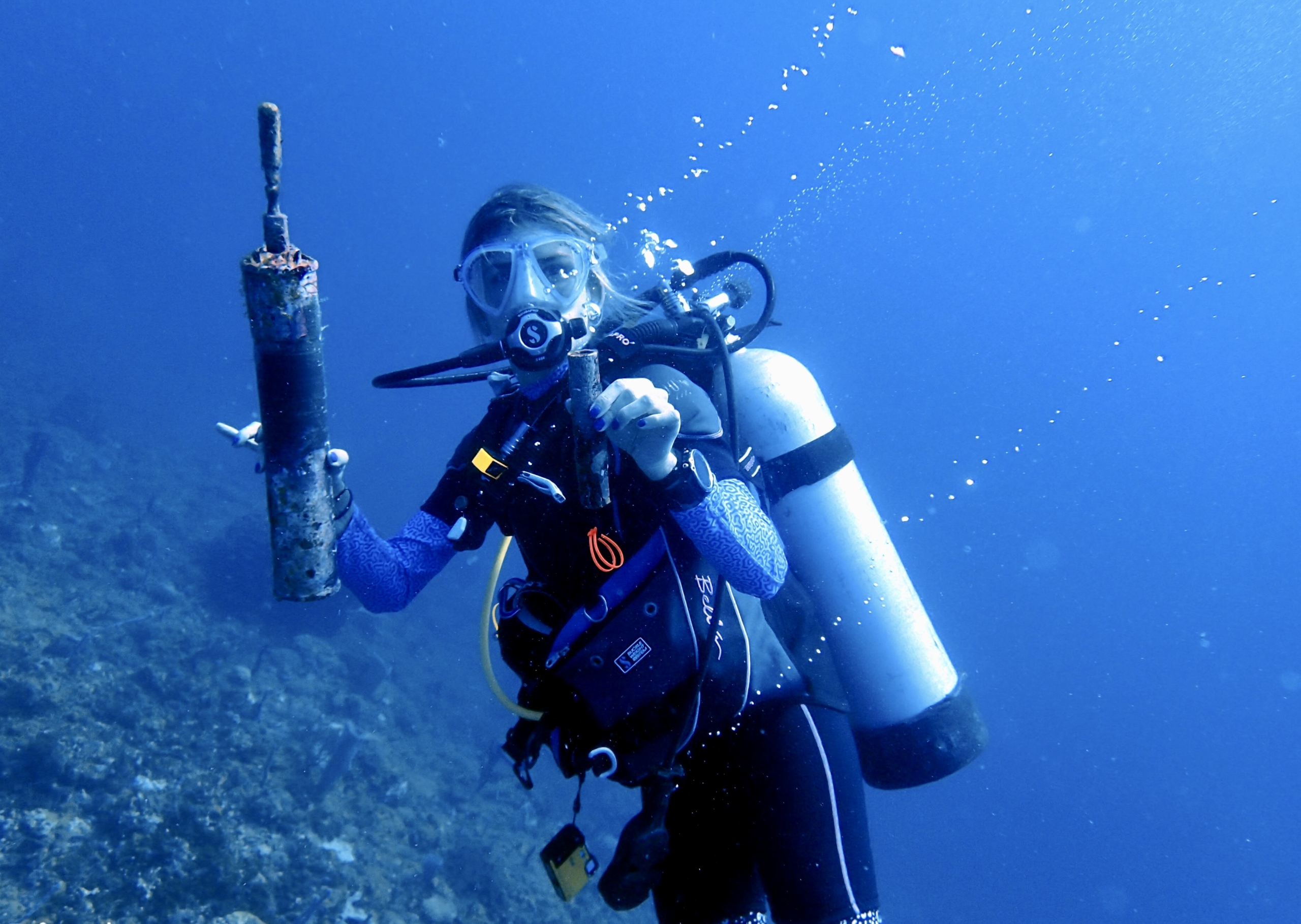
I’ve always been drawn to spending time underwater and developing a deep appreciation for reef ecosystems. Since I was a child, the ocean has been a special place for me one that inspired curiosity, calm, and respect. Early on, I became aware of how vulnerable marine ecosystems are, which sparked a strong desire to study marine science and understand how we can better protect the ocean and its living resources. My connection to fisheries began during my early university years, when I worked directly with fishermen evaluating marine resources and helping establish some of the first no-take zones in Guatemala. What made this experience especially meaningful was that the initiative came from the fishermen themselves they wanted to protect their fishing areas for the future. My role was to support them through science and help link their efforts with the appropriate authorities to ensure these zones were established correctly. Seeing how science could empower communities and guide effective conservation showed me how powerful this approach can be, and it solidified my commitment to working at the intersection of science, fisheries, and ocean conservation particularly in regions where people and reefs are deeply connected.
What part of your work makes you feel proud or hopeful?
One aspect of my work that makes me feel especially proud and hopeful is the coral reef exploration and long-term monitoring that has taken place in Guatemala. Being part of the early efforts to discover, map, and scientifically document reef systems some of which were previously unknown has been incredibly meaningful. Helping establish consistent reef health monitoring at these sites has allowed us to move from exploration to stewardship, generating the first baselines needed to understand change over time. Seeing these reefs transition from being unexplored or unmonitored to becoming recognized, studied, and managed ecosystems gives me a great deal of hope. It reinforces the idea that knowledge is a powerful first step toward protection. Knowing that this work contributes to informed management decisions, supports local conservation efforts, and helps safeguard reef ecosystems in Guatemala and the wider Mesoamerican Reef is what continues to motivate me and keeps me optimistic about the future of coral reefs.

What are some of the most significant challenges women or girls face in science in your context?
In my context, one of the most significant challenges women and girls face in science is limited access to opportunities, mentorship, and visibility especially in field-based disciplines like marine science and fisheries. These fields are still often perceived as physically demanding or male-dominated, which can discourage young women or result in their abilities being underestimated. For women working in marine science, balancing extensive fieldwork with family responsibilities can also be a challenge, particularly in regions where institutional support and flexible policies are limited. In addition, women’s contributions are not always equally recognized, whether in leadership roles or decision-making spaces. Despite these challenges, I have also seen strong progress. When women are given access to training, leadership roles, and field experience, they become powerful contributors to science and conservation.
What support, opportunities, or conditions have helped you (or others) succeed despite these challenges?
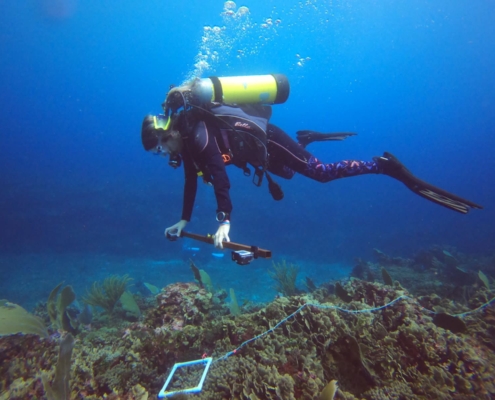
The support and opportunities that have helped me succeed in science have been a combination of mentorship, hands-on field experience, and strong collaboration with local communities and regional partners. Early opportunities to work directly in the field conducting reef exploration, monitoring coral reef health, and engaging with fishing communities were essential in building both confidence and practical skills. Having mentors and colleagues who trusted my work, encouraged leadership, and valued collaboration made a significant difference, particularly in environments where women are still underrepresented. Equally important has been institutional support from organizations that prioritize long-term monitoring, capacity building, and data-driven decision-making. Finally, being part of regional networks across the Mesoamerican Reef has provided access to shared knowledge, training, and collaboration, allowing scientific work to translate into real conservation impact.
What is one way organizations like GCFI could help women and girls feel more welcome, supported, or visible in fisheries and marine science?
One impactful way organizations like GCFI could support or are helping support women and girls in fisheries and marine science is by intentionally creating and sustaining mentorship and visibility pathways. This includes pairing early-career women and students with experienced scientists and practitioners, supporting their participation in fieldwork, conferences, and technical training, and actively highlighting their contributions in publications, panels, and leadership spaces.
What message would you share with girls considering a career in science or fisheries, especially those who may doubt they belong?
I would tell them that if they feel curious about the ocean or science, that feeling already means they belong. You don’t have to fit a stereotype or have everything figured out to start. Your perspective matters, and fields like science and fisheries need diverse voices and experiences. Seek mentors, ask questions, and trust that your curiosity and commitment are enough.