

What first drew you to science, fisheries, or the ocean?
It wasn’t just one moment that drew me to this path. It was a culmination of amazing experiences out in my favorite habitats like tidal flats and mangrove creeks. Being a kid and growing up in those spaces doing things like wading, boating and diving gave me as much freedom and independence as I could have possibly asked for. Now when I’m in these spaces whether it be for work or my free time, I’m met with a feeling of peace like nothing else.
What part of your work makes you feel proud or hopeful?
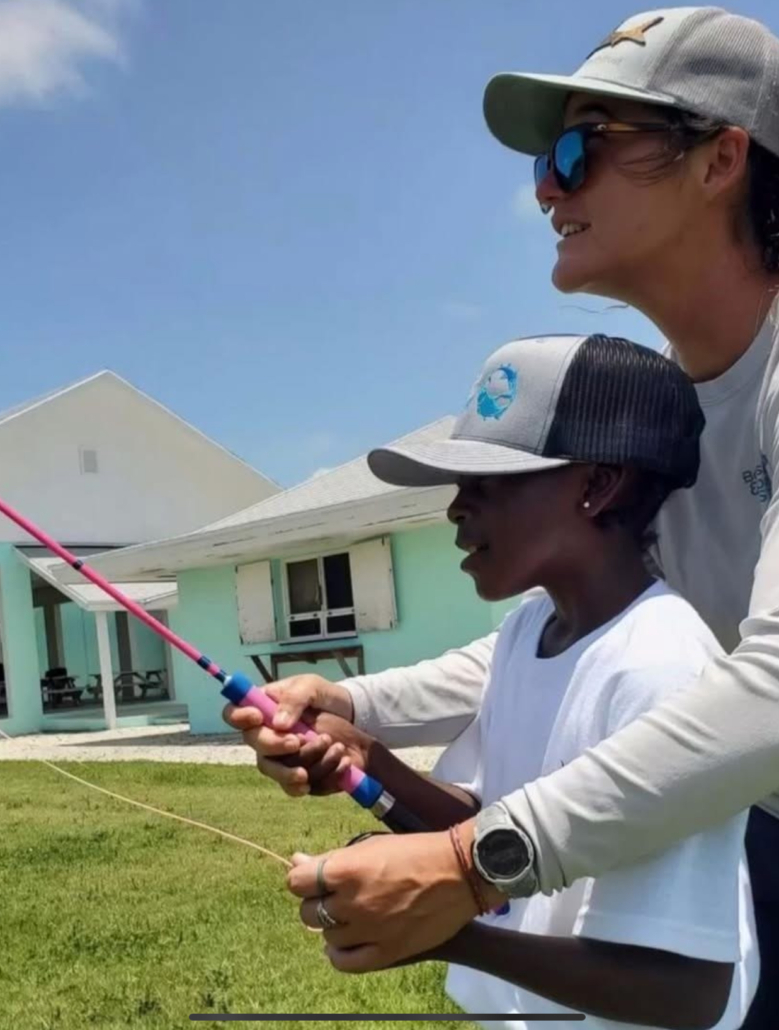
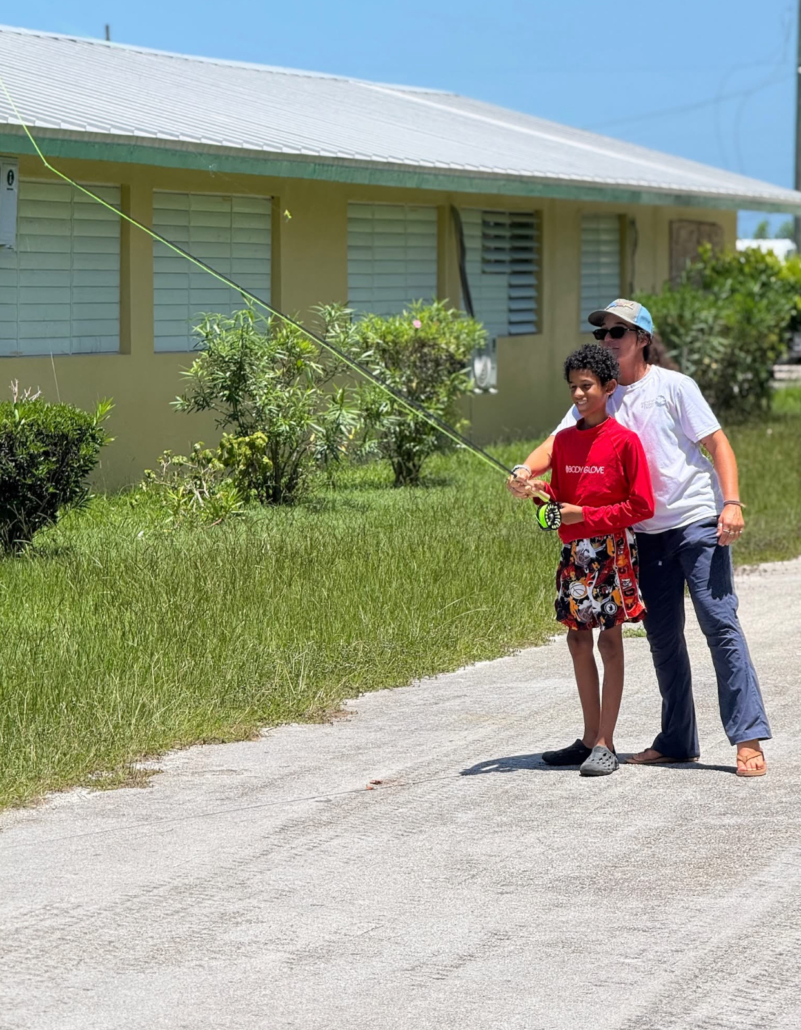
Working with students and stakeholders is always a great way to regain hope and see a future that isn’t so dark. Youth stakeholder groups like our students have an innocence about them in which they can explore these ecosystems and can see the true beauty of them without the gray cloud of doom hanging over. In a way, their ignorance creates bliss and in my capacity as a scientist and educator I have the perfect opportunity to show these students how cool and in the Bahamas how intact these ecosystems are. I get to relive the origins of my connection to these ecosystems through young eyes and that gives me hope. You have to teach the positives first. When they see the beauty, then things like appreciation and passion can come later. It’s not productive to be caught up all the time in the negatives that we see in this industry. There are definitely days and times that it’s harder than others and necessary to get the job done but a good long term strategy is to keep having fun in these spaces and when even that seems hard, go back to why you started in this space in the first place and remember those experiences that made you passionate about conservation and protection.
What support, opportunities, or conditions have helped you succeed ?
Teamwork and collaboration has really supported my career in science. Working with colleagues that have been working in this industry for many years and learning from their experiences has been really helpful. I’ve also been really lucky to have colleagues that have included me in really cool opportunities to do research and habitat restoration in the Bahamas.
What is one way organizations like GCFI could help women and girls feel more welcome, supported, or visible in fisheries and marine science?
By encouraging young women to join the industry through stories, pictures and real life examples of women doing amazing work already in this space.
What message would you share with girls considering a career in science or fisheries, especially those who may doubt they belong?
Do it. Don’t let the reason you don’t do something be because you are a girl. If you are interested in any aspect of this industry as a career path or any industry for that matter, explore all opportunities, ask questions and don’t doubt yourself. You can turn your passion into your career and with the right support, you can find yourself in a position where you love your job and your job is making a difference. Also remember, there are plenty of amazing women in this space already doing great work and there is no reason why you can’t be one of them if you want to.