
 What first drew you to science, fisheries, or the ocean?
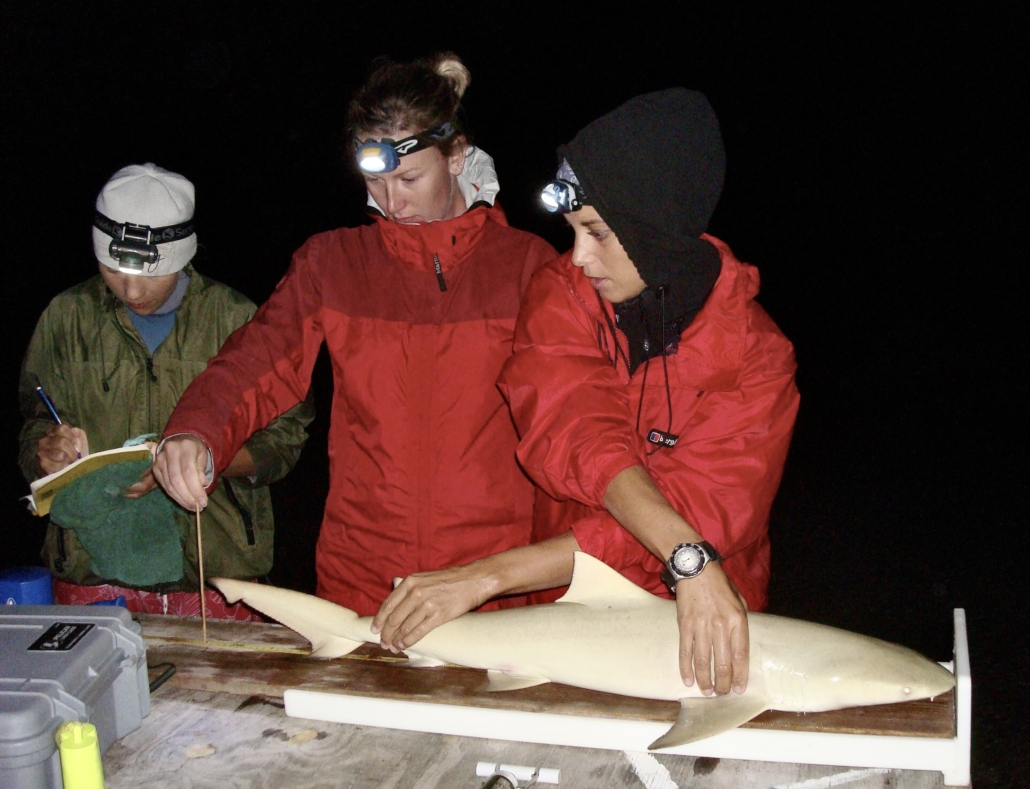
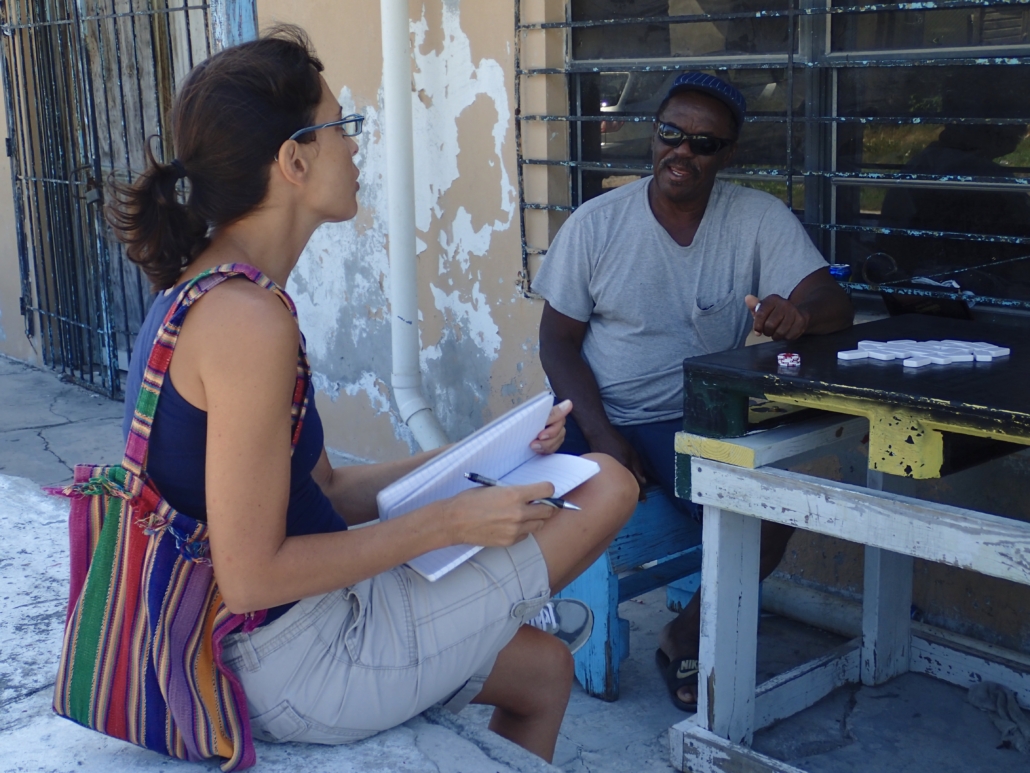
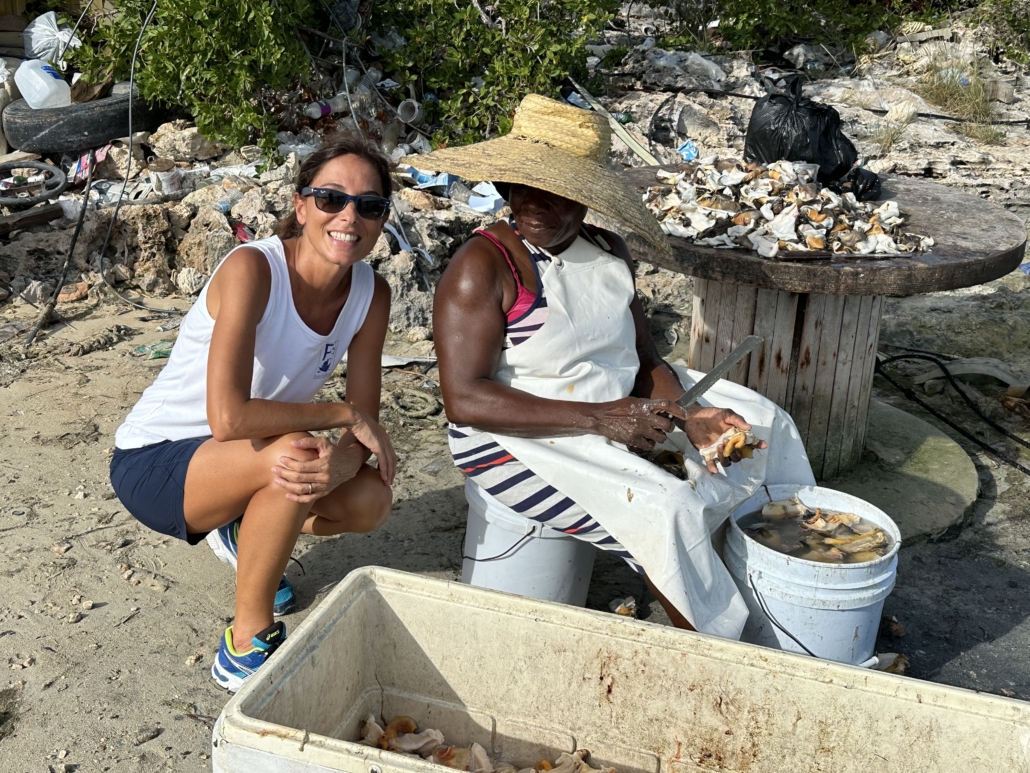
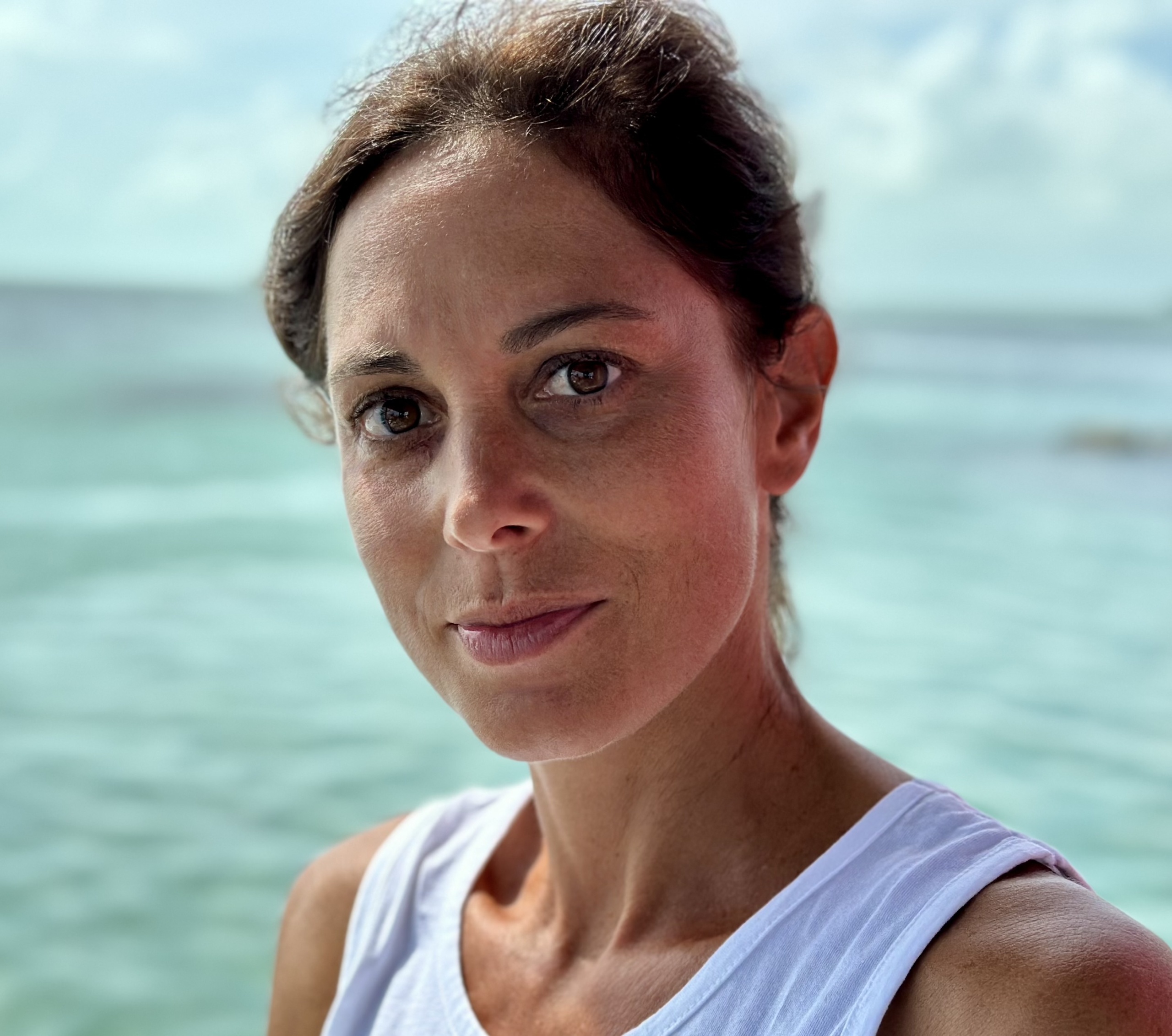
My connection to the ocean developed at a very young age, spending summer months at the coast in Italy, always in the water and, later on, sailing and SCUBA diving with my dad. I became fascinated by sharks which eventually led me to the Bimini Biological Field Station’s Shark Lab in the Bahamas. This experience fueled my passion for science and field research. However, it was not until I started working at The School for Field Studies on the small island of South Caicos, Turks and Caicos Islands, and living among its fishing community that I started to be drawn to the human side of the ocean socio-ecological system. Seeing the daily struggles of fisherfolk and the reality of their lives in the context of conservation changed my outlook forever. I still love sharks, but my work is now focused on fisheries and advancing blue justice for small-scale fishers and fish workers.
What part of your work makes you feel proud or hopeful?
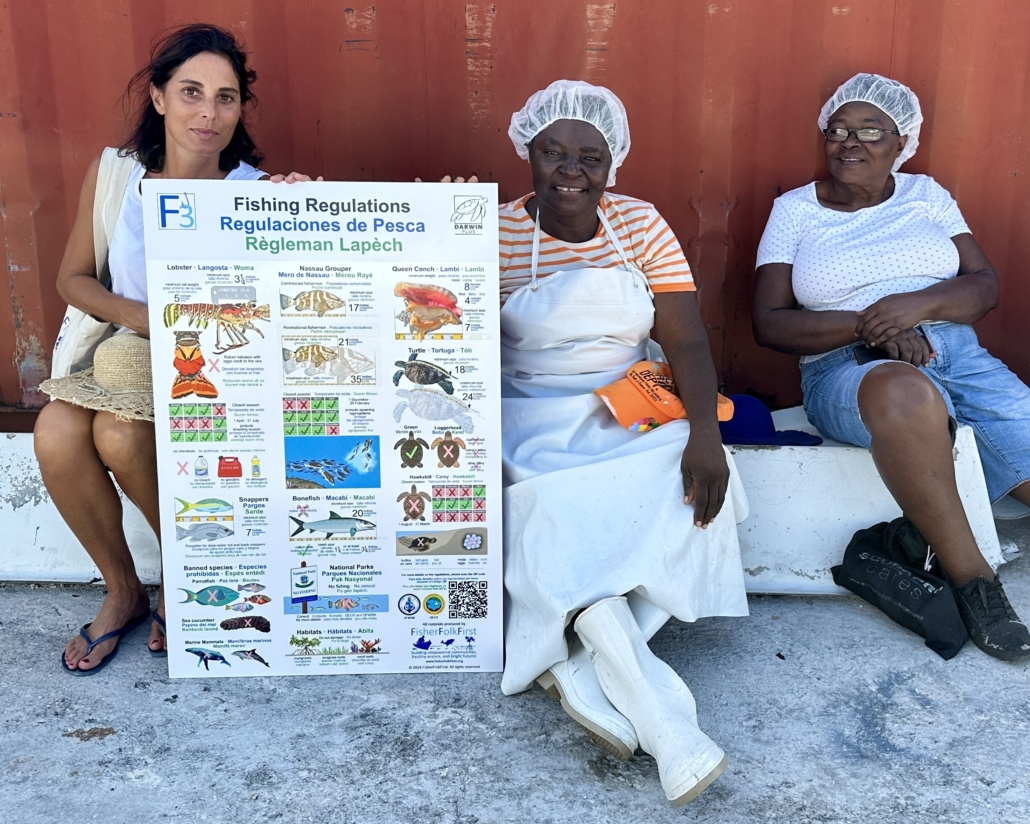
I am particularly proud of establishing FisherFolkFirst non-profit organization (https://www.fisherfolkfirst.org) where my work with fishers and fish workers now directly translates into positive change for small-scale fishing communities. Getting new policies implemented, driving changes in behaviors, and improving livelihood opportunities for fisherfolk makes me feel very hopeful.
What are some of the most significant challenges women or girls face in science in your context?
Although things have improved in many countries, unfortunately, there is still a certain level of discrimination against women in science, and a subconscious belief in stereotypical gender roles. Women often face skepticism about their leadership abilities and technical expertise. Because of this, we often feel the need to overcompensate and prove our competence. This can be interpreted as being pushy, arrogant, or difficult, but the same behavior in men would be viewed as self-confidence. Scientific contributions by women are often overlooked or attributed to male colleagues. On a number of occasions, people assumed that male colleagues were in charge of projects that I was actually leading, or misattributed my work to male co-authors with higher academic qualifications. We should not be afraid to speak up, and even if it feels uncomfortable, it is important to correct such mistakes.
 What support, opportunities, or conditions have helped you succeed?
Succeeding in science is not just about technical competence. It requires passion, a resilient mindset, and being able to work effectively with other people. Building a supportive network helps to navigate challenges and create opportunities. I was fortunate to find some great mentors, colleagues, and people that believed in me even when I was struggling. At times I was also confronted with less supportive people and environments, but I used these as motivation. Embracing challenges and stepping outside my comfort zone was also important for my professional and personal growth. I believe that sometimes it is about being in the right place at the right time and making the most of opportunities when they present themselves. I also learned that, at other times, you just have to create opportunities yourself, and networking has really helped me with this.
What is one way organizations like GCFI could help women and girls feel more welcome, supported, or visible in fisheries and marine science?
GCFI should implement a Gender Equity and Social Inclusion policy that guides all of GCFI’s activities and initiatives. In addition, creating a mentorship program that pairs students and early career researchers/practitioners with senior, more established mentors can enrich women’s experiences at GCFI conferences and beyond.
Is there a woman in science, locally or globally, whose story has inspired you?
I met Dr Rachel Graham at my very first GCFI conference in 2007 in Punta Cana. As a young scientist working on shark ecology in the Caribbean, I was well aware of Dr Graham’s research on marine megafauna. Initially, I was a bit intimidated about introducing myself, but when I did, she was very approachable and she even invited me to join a dinner with well-established scientists. During the conference, Dr Graham gave an inspirational presentation about her work with small-scale fishers in Belize. I was very impressed by the connection she had with the fishing community, which she successfully involved in her research and data collection. Witnessing this changed my perception of what I could achieve as a woman in science. I was also very inspired to see such an accomplished scientist being so humble and dedicating time to support students and less-established colleagues. In 2014, Dr Graham founded Mar Alliance which also blends research with empowering coastal communities. Dr Graham continues to be an important role model for me, and I am grateful for all the opportunities I had to interact with her over the years.
What message would you share with girls considering a career in science or fisheries, especially those who may doubt they belong?
Women have made some of the greatest contributions to science. Never let anyone (including yourself) make you believe that you cannot do something, or that you do not belong. There is nothing you cannot achieve with hard work, perseverance, focus, and the right support network. Finding your ‘community’ is key: surround yourself with positive, inspirational people/scientists who foster a sense of belonging and mutual support but also challenge you to achieve more. GCFI is definitely an important part of my ‘community’.