
What part of your work makes you feel proud or hopeful?
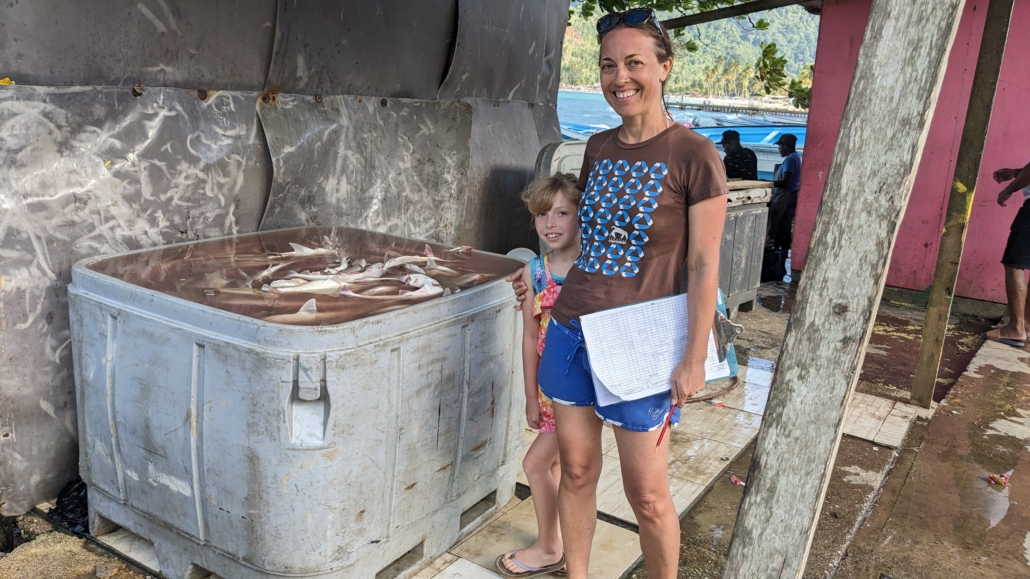
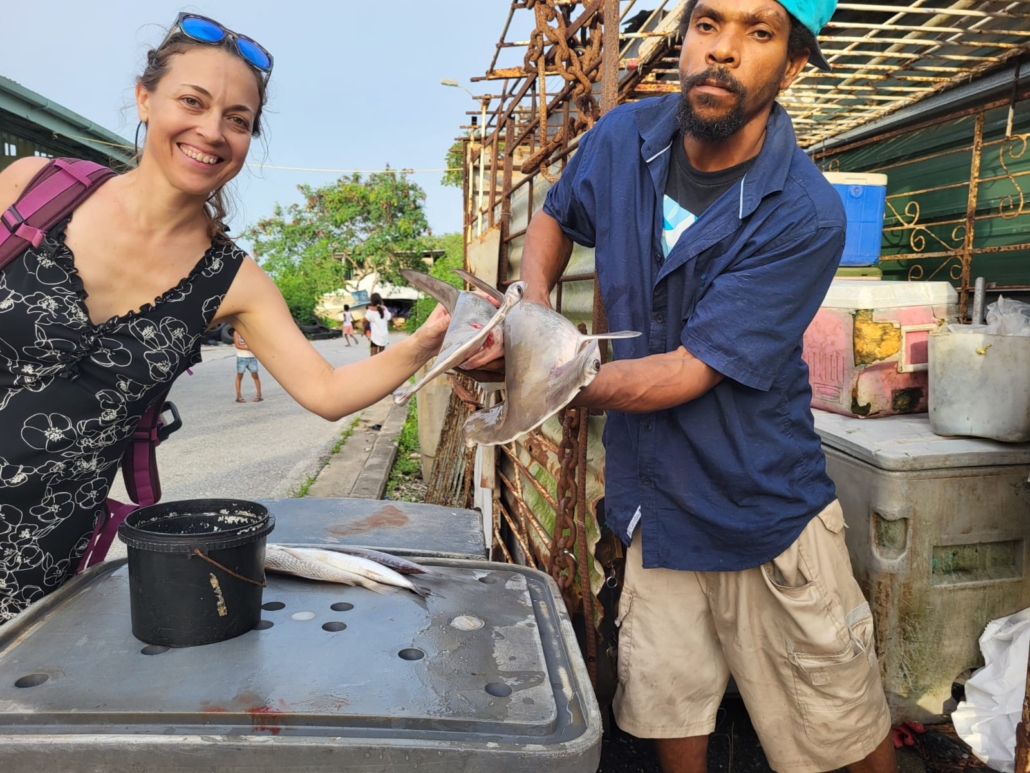
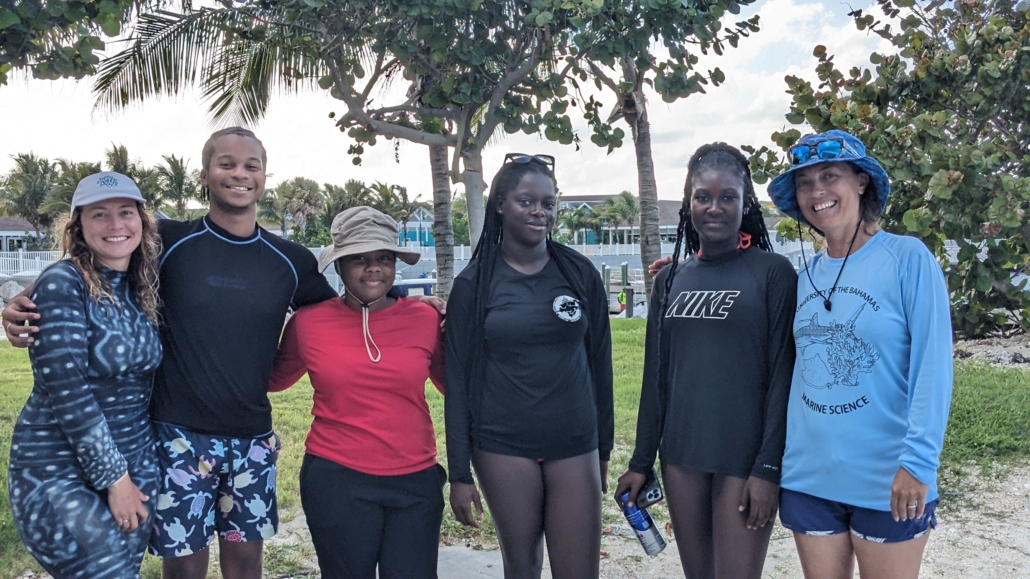
As a professor, I feel proud when my students join the marine science field after graduating and start contributing to conservation efforts. I feel most accomplished when my work becomes a part of management efforts and when my excitement and passion for nature spreads to other people.
What are some of the most significant challenges women or girls face in science in your context?
Balancing family and academia is a real challenge. A colleague and I are contributing two book chapters on this subject that should be coming out soon. Hopefully these stories will help mothers in the future advocate for better support during grad school and as professionals.
Is there a woman in science, locally or globally, whose story has inspired you?
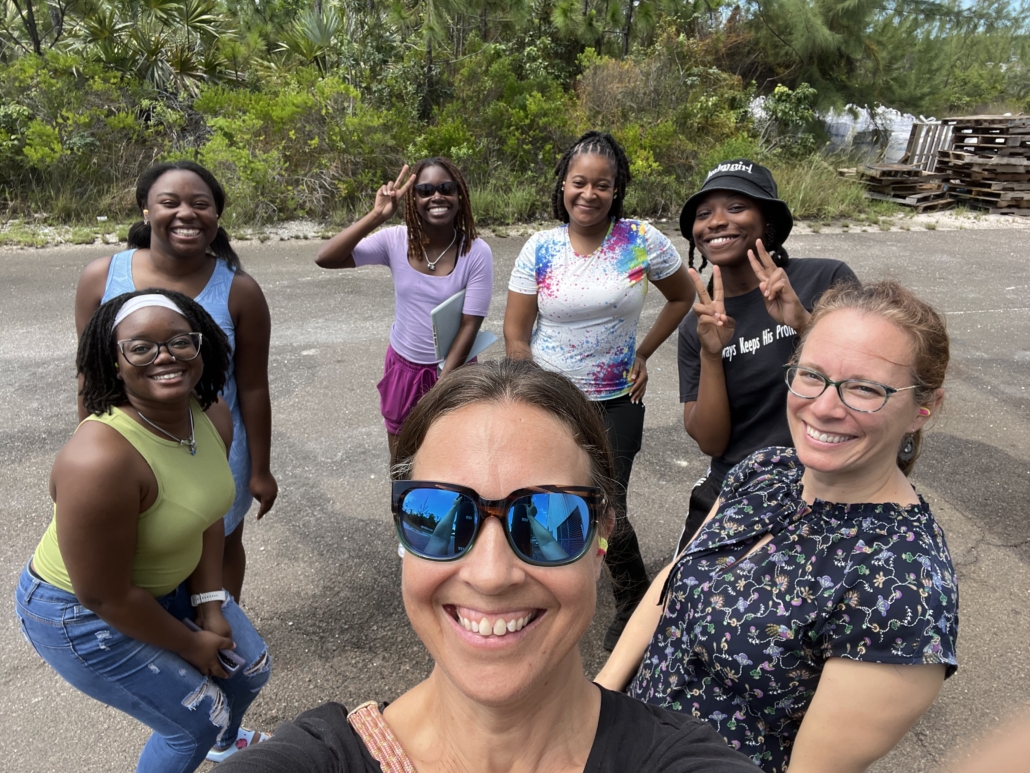
There are so many great women that paved the way for increased gender representation in science like Marie Curie, Rachael Carson, Eugenie Clark, Jane Goodall, Sylvia Earle, Dawn Wright, Edith Widder and more. I am so grateful for all their extra efforts and sacrifices to ensure they were able to make such amazing contributions to science. From extreme deep diving to studying sleeping sharks, these women faced danger and adversity without fear and never let men get in their way. Most of my classes are now dominated by young ladies eager to learn and succeed but there are still gender challenges to overcome.
What message would you share with girls considering a career in science or fisheries, especially those who may doubt they belong?
For those looking to join the marine science field, I recommend volunteering or working part time anywhere that interests you while you are in school and afterwards. Jump at any opportunity to help with research, study abroad, attend workshops or conferences especially GCFI, which is extremely supportive of students. There are a lot of opportunities out there to help fund these types of activities while you are young so take advantage of them. Don’t be afraid to apply or to ask if you can help! The marine community is small so the sooner you start meeting people in the field the more job opportunities will come your way, friends and partnerships will grow as well. Also, remember in a small community do not burn any bridges as you never know who you may end up having to work with in the future. Stay positive, work hard and play hard, then great things will follow!