
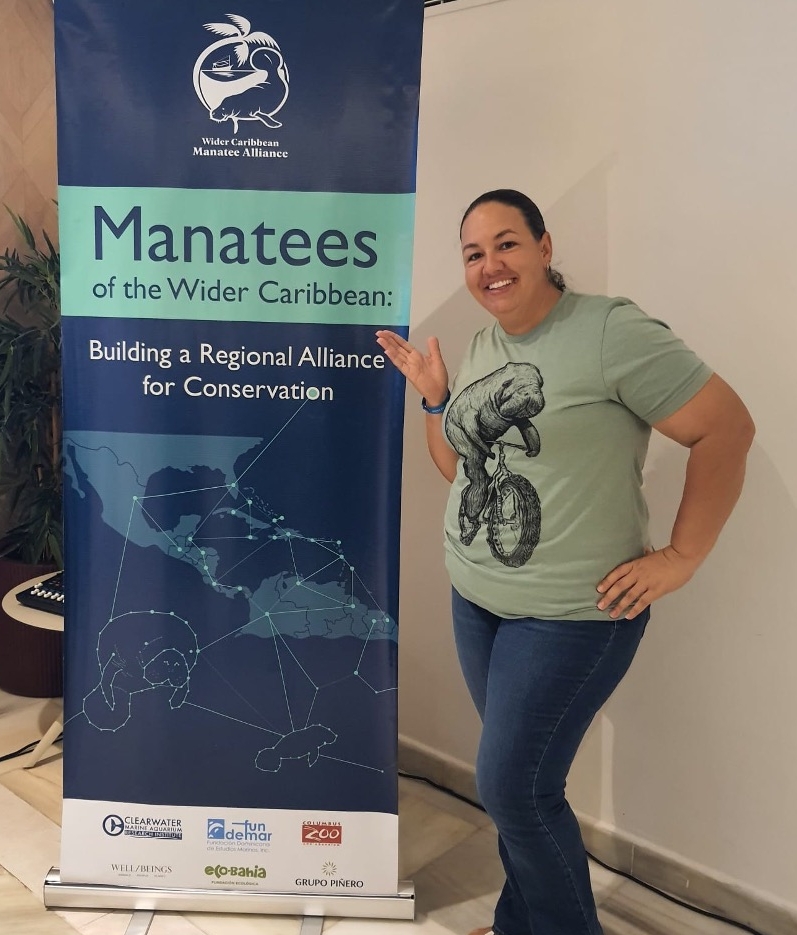
 What first drew you to science, fisheries, or the ocean?
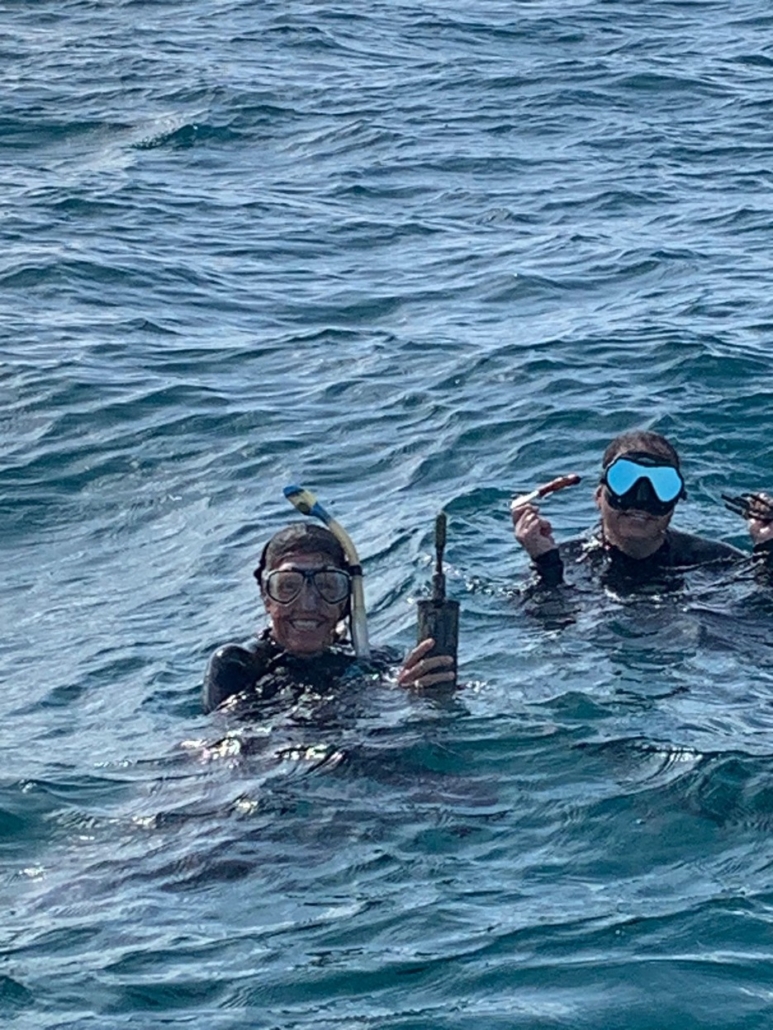
As a young girl growing up on a Bahamian island, my life revolved around and in the sea; beaching, camping, fishing, and diving. As I got older, I began to notice changes, negative changes and decided that I would want to become a Marine Biologist and help protect marine life and ecosystems.
What part of your work makes you feel proud or hopeful?
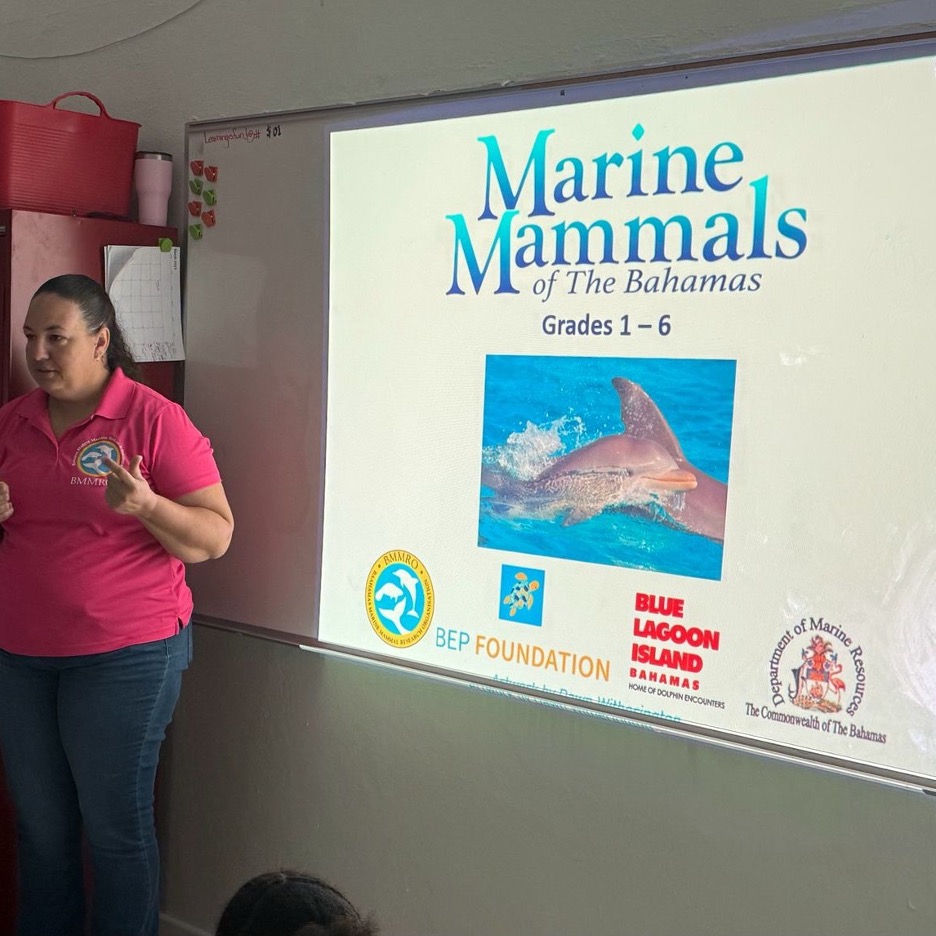
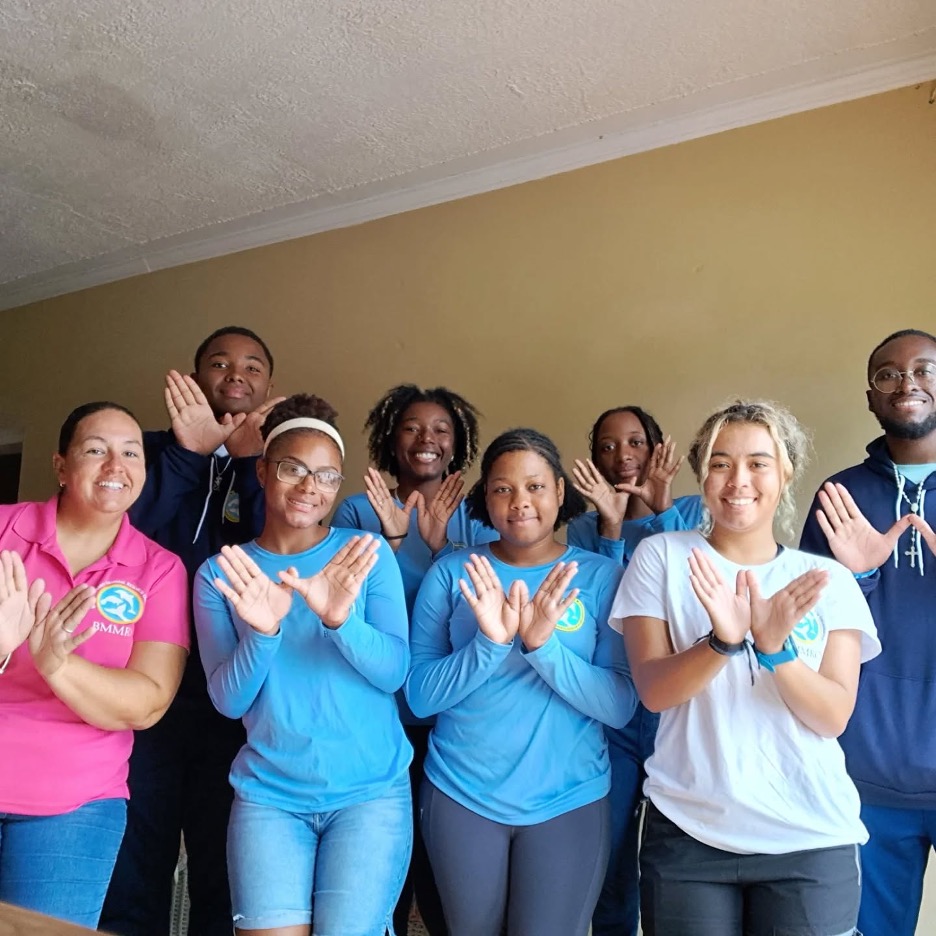
Educating young Bahamians in marine conservation and marine mammal research is the aspect of my work that I think is most impactful. Watching a passion for marine mammals spark within them fuels me.
What are some of the most significant challenges women or girls face in science in your context?
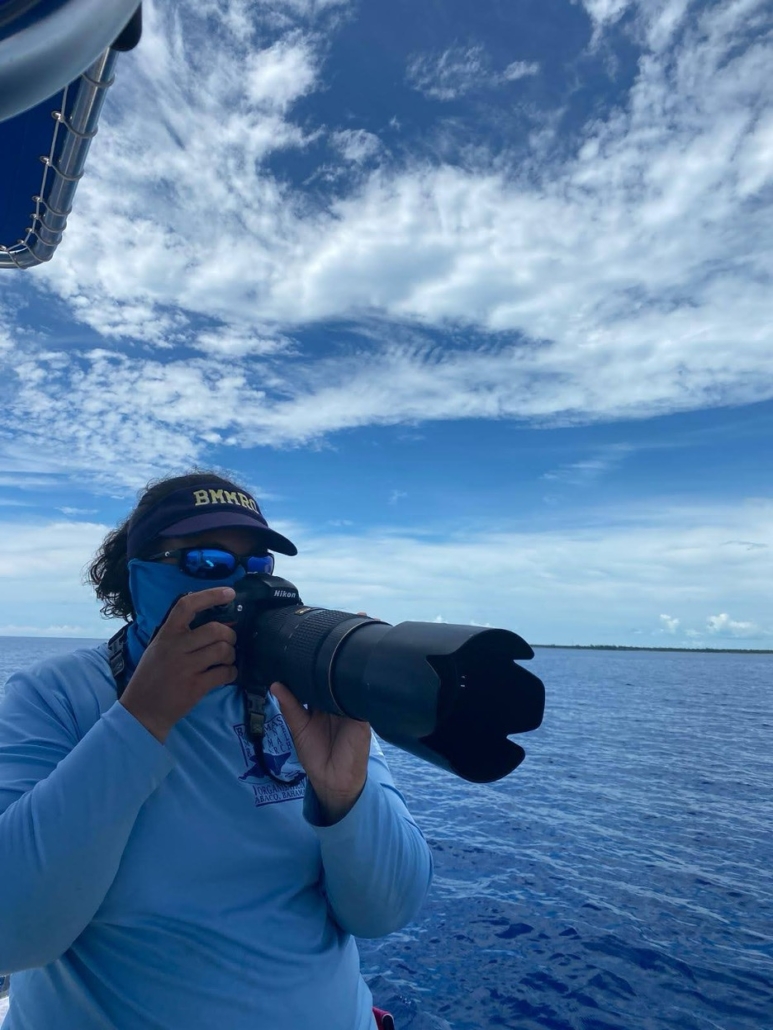
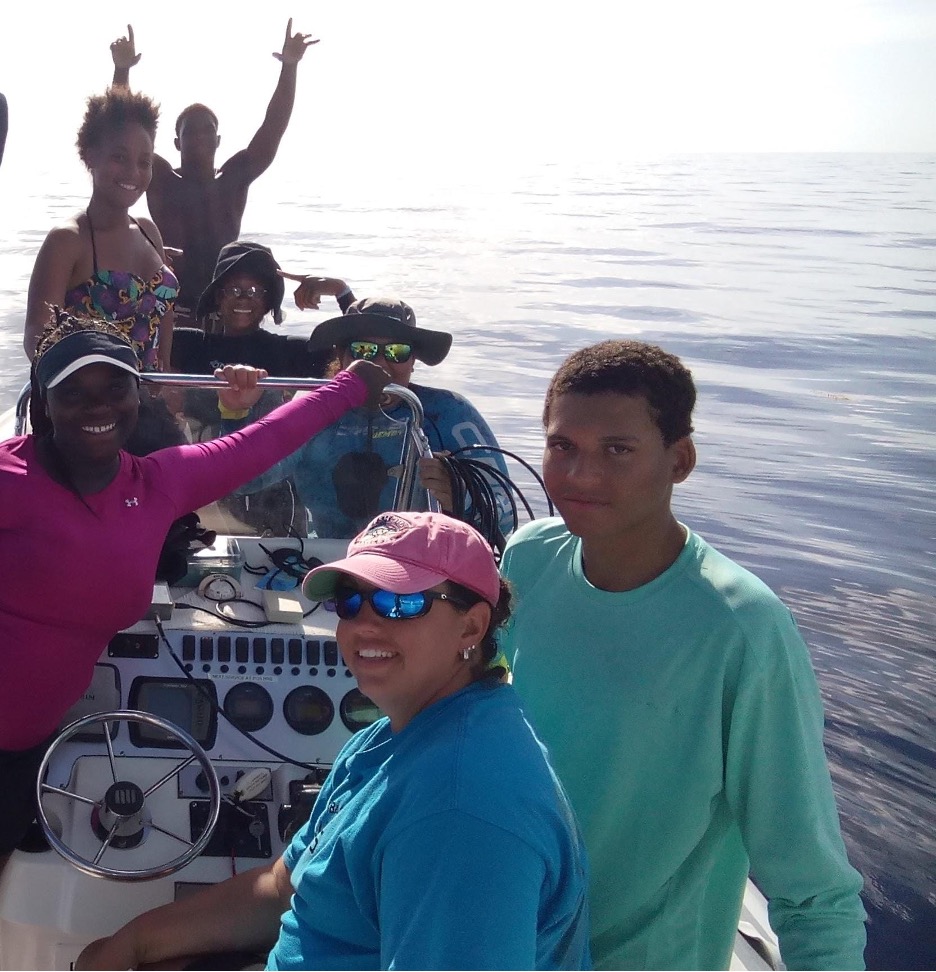
As as a marine mammal biologist, my work entails boating. In my culture, boating is something left to the boys and men. However, my uncle taught me how to boat, and I am proof that girls/women can indeed be boaters, more specifically, boaters contributing to important science.
What support, opportunities, or conditions have helped you succeed?
God has blessed me with a supportive family who assisted me with furthering my education. Additionally, my mentors in marine mammal research, Dr. Diane Claridge and Dr. Charlotte Dunn, have trained me and allowed my passion to develop in the scientific world. The worldwide initiative to protect our marine resources has created opportunities to network, collaborate, and take part in capacity building workshops/conferences. Being able to work amongst like minded groups is encouraging.
What is one way organizations like GCFI could help women and girls feel more welcome, supported, or visible in fisheries and marine science?
Provide training and capacity building in sectors that are culturally designated to boys/men.
Is there a woman in science, locally or globally, whose story has inspired you?
Jane Goodall has probably left a mark on everyone, but I’d like to highlight someone locally in The Bahamas, Dr. Diane Claridge. BMMRO was founded by Dr. Claridge driven solely by her passion to save dolphins and whales in The Bahamas. Passion is a drive like no other and can push us past many challenges that come with a career in the marine science field. Now, over 3 decades later, BMMRO remains focused on research and educating young Bahamian scientists.
What message would you share with girls considering a career in science or fisheries, especially those who may doubt they belong?
To all the girls out there interested in a career in science or fisheries doubting themselves, the world is yours! The foundation has been laid by those who came before you. Assert yourself and take advantage of the world’s advancements in every way!