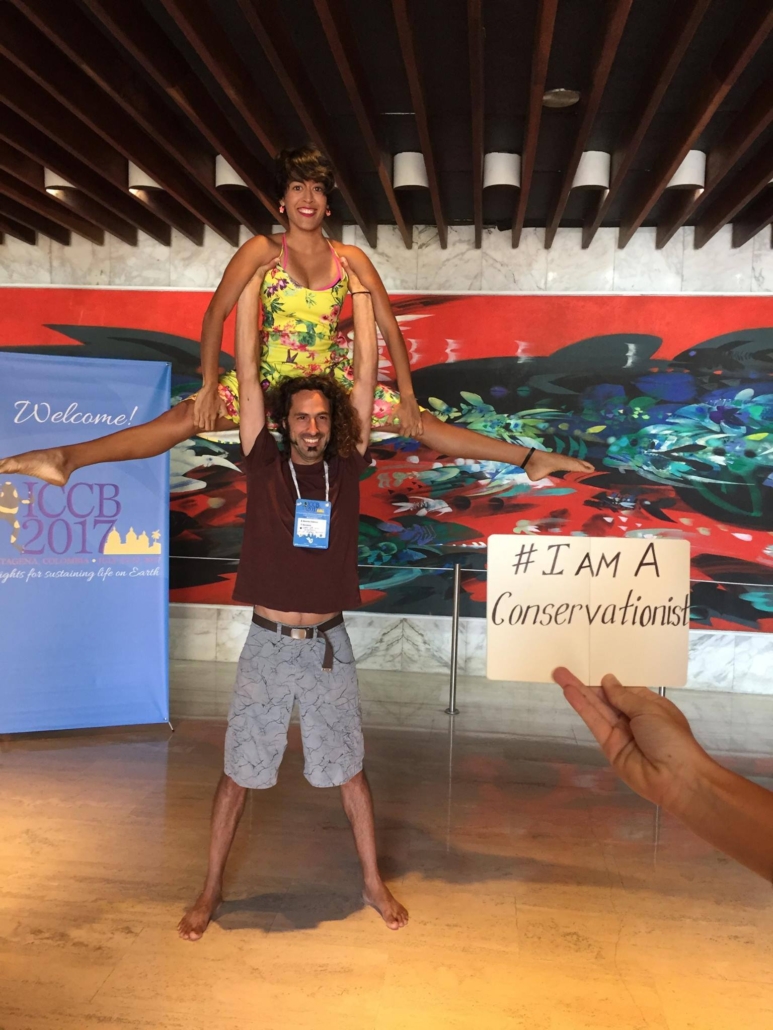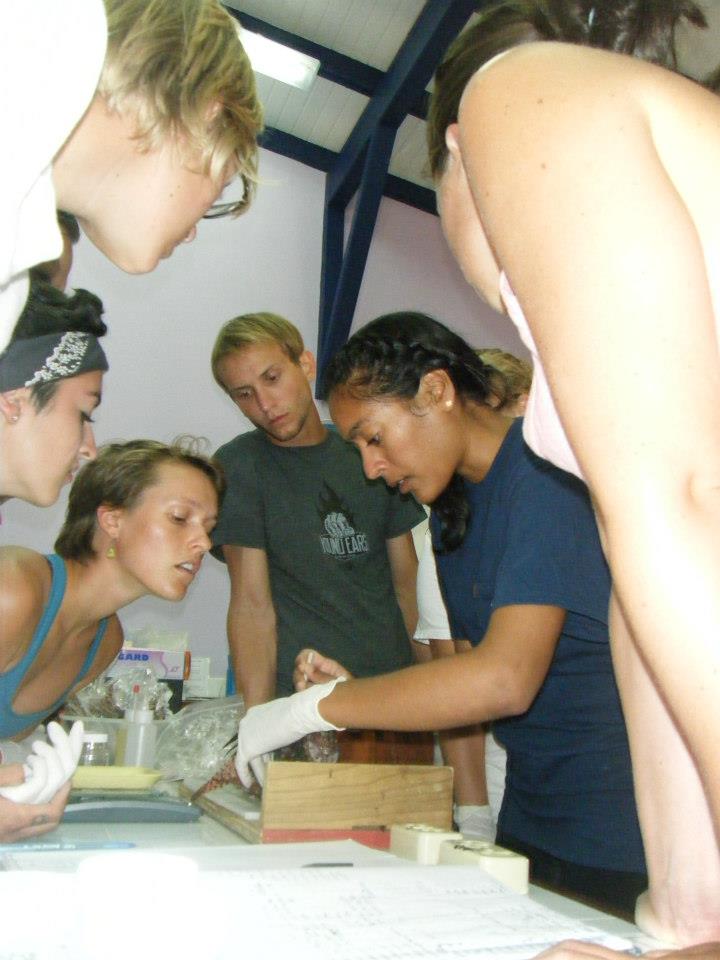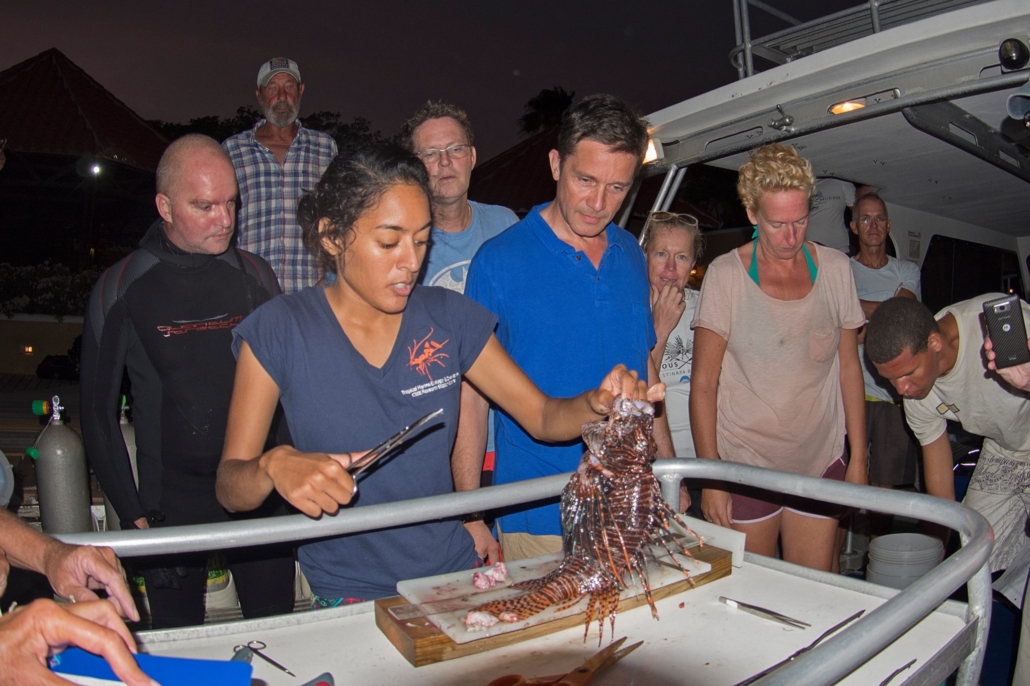

 What first drew you to science, fisheries, or the ocean?
Science has been around me my entire life. My mom was a high school science teacher who studied botany and zoology at university and encouraged my love of reading. My passion for the environment first began at age 12 when I joined my high school’s Environmental Club. Never did I think that this simple feat could go on to influence my life and my career. To me, it was a simple curiousity about biodiversity and how living things functioned and were connected. Throughout my entire high school education, I was an average student and never really clicked with anything academically until I started studying Environmental Science. It was something I enjoyed learning about and never felt like work. I went on to place first in Trinidad and Tobago and eventually the entire Caribbean in the Environmental Sciences category, which granted me a scholarship to pursue studies anywhere I wanted. I think this was the moment where I realised this is what I was meant for. Growing up in The Caribbean, the ocean has always been my peace and a place I enjoy exploring
What part of your work makes you feel proud or hopeful?
I have been fortunate to have a very diverse career as an educator, researcher and science communicator. The most fulfilling part of my career has been the opportunity to educate and inspire others, just as I was when I was 12 years old. I continue to hope that through my work and actions I can facilitate positive impacts on local communities and ecosystems.
What are some of the most significant challenges women or girls face in science in your context?
At the start of my academic career, I saw very little representation of women around me. During almost a decade of studying at the University of Southampton almost 20 years ago, none of my lecturers were female, even though 85% of my cohort were women. I am happy to see that there have been improvements in this, especially in our region where there are more and more women in leadership positions, or higher academic positions.
Another challenge that women face in science is balancing personal and professional life and in some cases many end up having to make sacrifices in order to excel in their fields. Traditional roles that have historically associated women with childcare and other household responsibilities can be a challenge. Furthermore, cultural barriers still exist and gender stereotypes can limit aspirations for some young girls. Thus, we need to change the mindsets and empower our girls to believe they can be anything they want to be.
What support, opportunities, or conditions have helped you succeed?
I have been fortunate to have supportive family, friends and professional colleagues and also that I was able to receive a scholarship that allowed me to study anywhere in the world and also pursue internships that I might not have been eligible for if I stayed in The Caribbean.
My first job after graduating was at a research station led by a powerful woman, and at one point almost all our resident lecturers were women. This helped to set the tone for my career and I continued to be mentored and inspired by other women who excelled in science. I also received tremendous support from several men who believed in me and my abilities and have contributed to where I am today.
 What is one way organizations like GCFI could help women and girls feel more welcome, supported, or visible in fisheries and marine science?
GCFI is truly a special organization and my involvement has evolved over the span of 15 years, but during this time I have always felt welcomed and supported and it is now my duty to ensure that others feel the same.
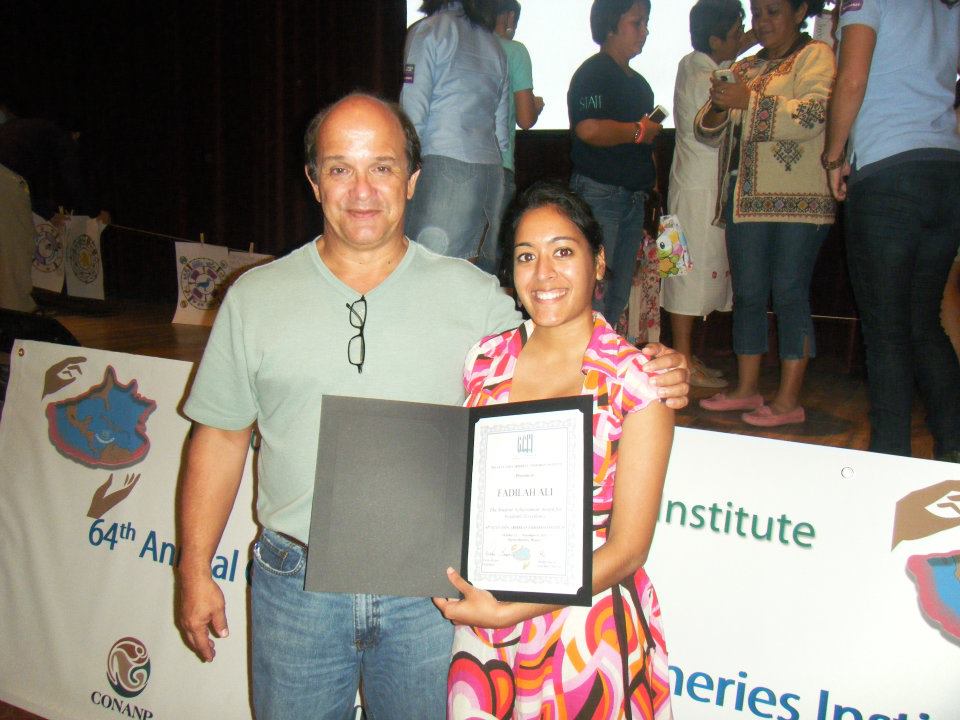
I first attended GCFI in 2011 (Puerto Morelos, Mexico) and the Keynote Speaker was the inspiring Dr Yvonne Sadovy. That year, I won the Student Award for the Best Oral Presentation which allowed me to attend the subsequent conference. I continued to participate annually and was invited to join the Board of Directors in 2014 which was chaired by Dr Graciela Garcia Moliner and then by Dr Nancy Brown-Peterson. I was appointed as the Assistant Executive Director in 2019 and most recently as the Executive Director in 2026.
I think there is great opportunity for GCFI to showcase the diversity in the region whilst also creating a network for women and girls to learn from each other, share experiences, mentor, encourage and inspire one another.
What message would you share with girls considering a career in science or fisheries, especially those who may doubt they belong?
Continue to be curious: science is not just facts; it is about asking questions, being creative, and finding solutions to real-world problems.
Don’t be afraid to fail: every mistake is a learning opportunity and how your respond and recover is most important.
Follow your passion: pursue what you love rather than something that you think will make you money. At the end, your quality of life is the most important thing
To my fellow women: we need to continue to lift and celebrate others as we climb. We are leaders in the field today because of the work of generations of women who came before us, and it’s our responsibility to continue to open doors for the women who will come after us. Let’s keep breaking barriers, work together and empower each other to be the amazing women we are meant to be