
What part of your work makes you feel proud or hopeful?
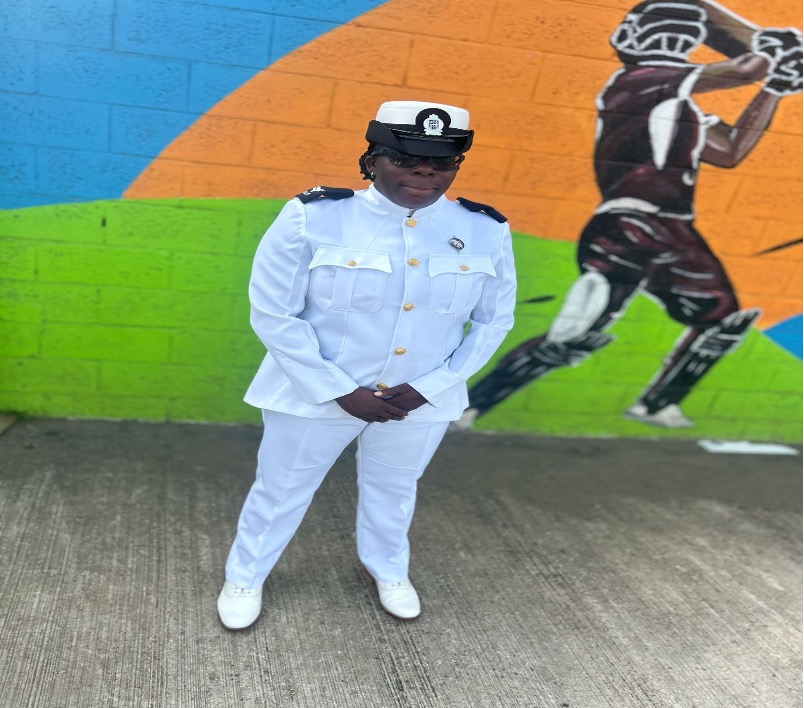
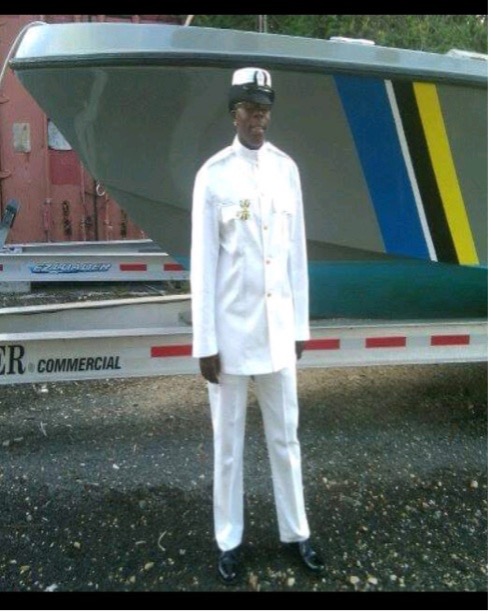
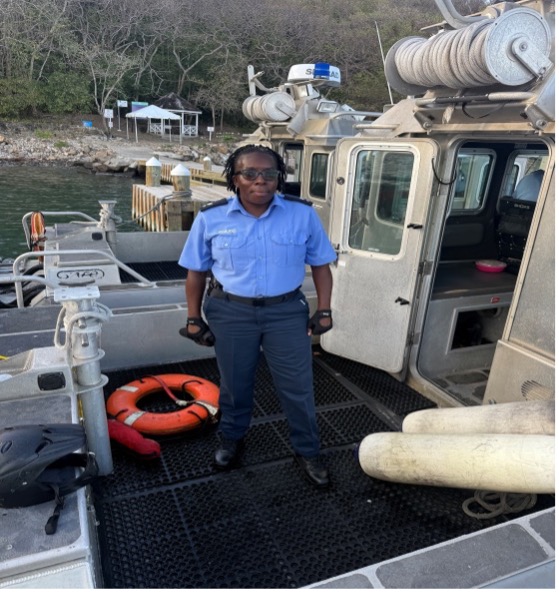
I am honoured to share my journey as a female coxswain within the Police Marine Unit, an operational role that remains largely male dominated. Since joining the unit in 2009, I have operated vessels in demanding maritime conditions where technical skill, situational awareness, and a deep understanding of the marine environment are critical to safety, enforcement, and mission success.
What are some of the most significant challenges women or girls face in science in your context?
As a coxswain, I am responsible for navigating, maneuvering, and managing marine assets during patrols and operations, often in high pressure situations. This role requires applied knowledge of ocean conditions, weather patterns, navigation, and risk assessment, combined with decisive leadership on the water. Working in a space where women are still underrepresented has required resilience, confidence, and consistency, but it has also reinforced the value that women bring to maritime through attention to detail, communication, teamwork, and calm decision-making under pressure.
What support, opportunities, or conditions have helped you succeed?
Leadership and mentorship are central to my approach. As a shift leader, I prioritize the welfare, development, and empowerment of officers under my supervision, creating an environment where both men and women can grow, lead, and perform at their best. Beyond my official duties, I am actively involved in youth and community development through national sport, using mentorship to instill discipline, confidence, and positive values, particularly among young women and at-risk youth.
What is one way organizations like GCFI could help women and girls feel more welcome, supported, or visible in fisheries and marine science?
By sharing my story, I hope to inspire girls and women to see themselves in roles on the water as coxswains, scientists, technicians, leaders, and decision makers and to challenge the perception of who belongs in marine and ocean-based careers. I also hope my experience contributes to strengthening how institutions across the Gulf and Caribbean region support women and girls in science through mentorship, training, and inclusive leadership pathways.