
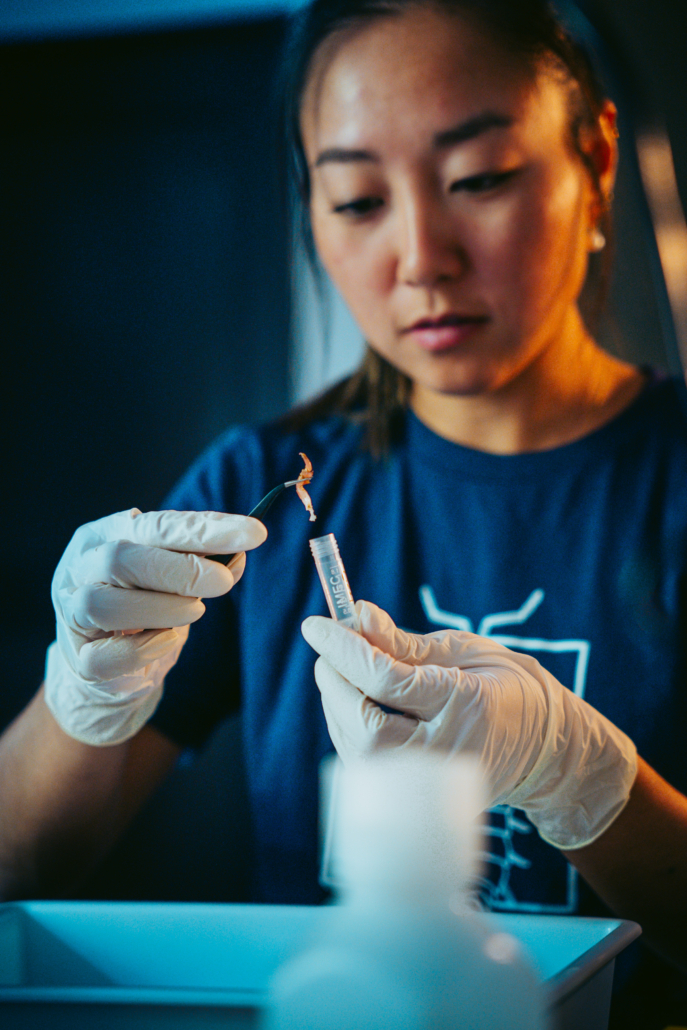
 What first drew you to science, fisheries, or the ocean?
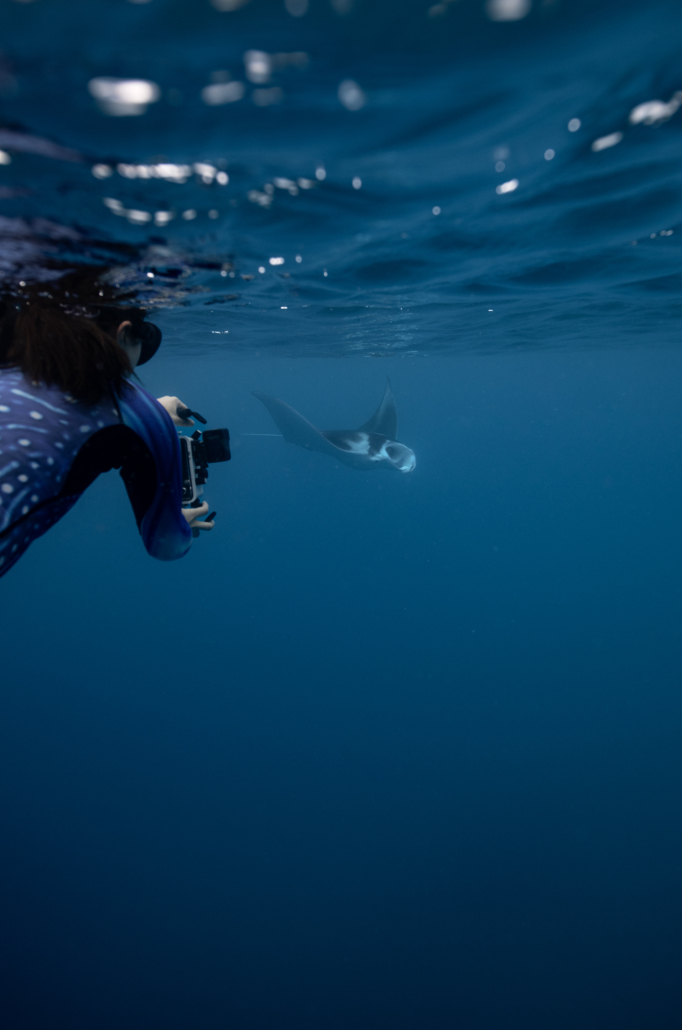
It wasn’t a single event, but a combination of moments throughout my life, from being a kid to my studies and getting my first job. It was a gradual build-up, a realization that the ocean was the place where I felt a balance of curiosity, exploration, and excitement, yet also peace. I’ve always been drawn to this “hidden” world, there is so much life beneath the surface that most people overlook or misunderstand. It intrigued me why people might be scared of it, while all I wanted was to understand and explore it. The moment it clicked was during my first scuba dives on a family vacation. Seeing the colors, breathing underwater, and watching how everything moved together yet separately was fascinating. As I fought for a path that I once felt wasn’t “meant” for me, I realized my journey wasn’t just about academia, but about becoming a voice for the ocean and inspiration for others to pursue their passion.
What part of your work makes you feel proud or hopeful?
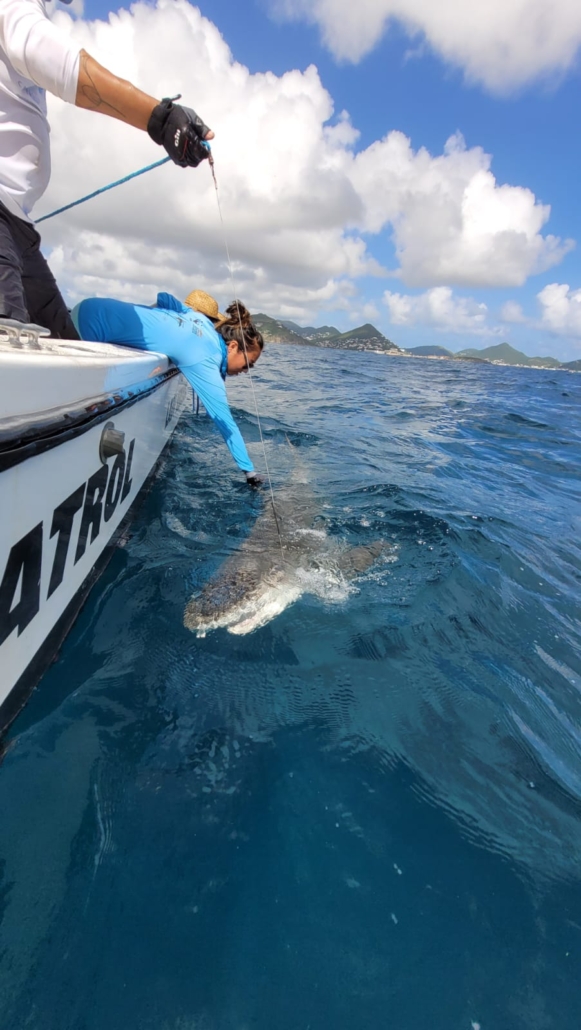
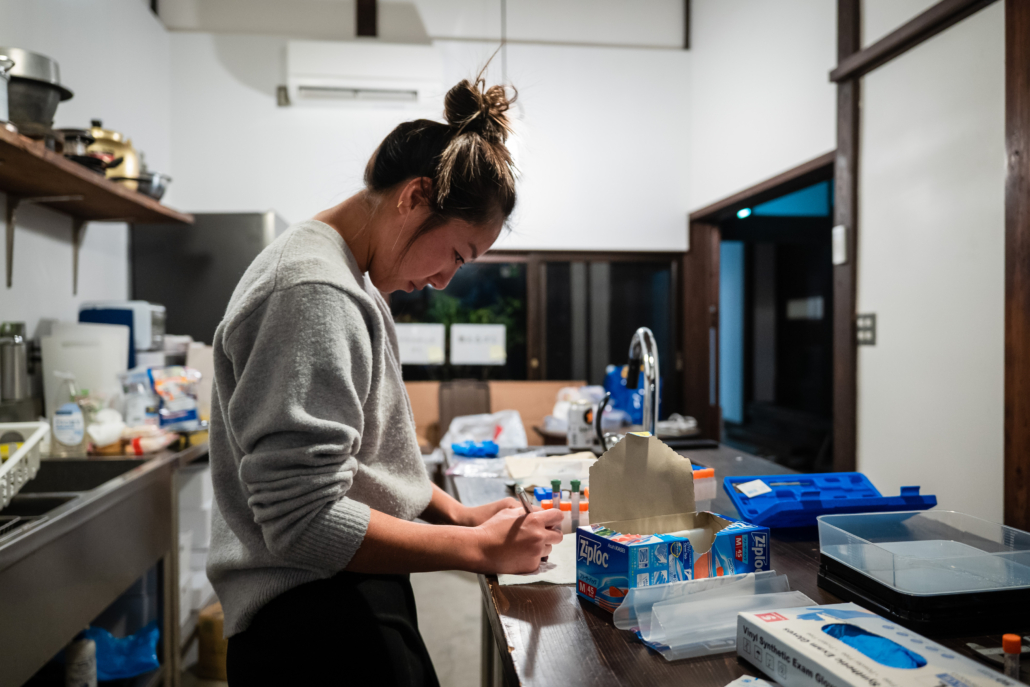
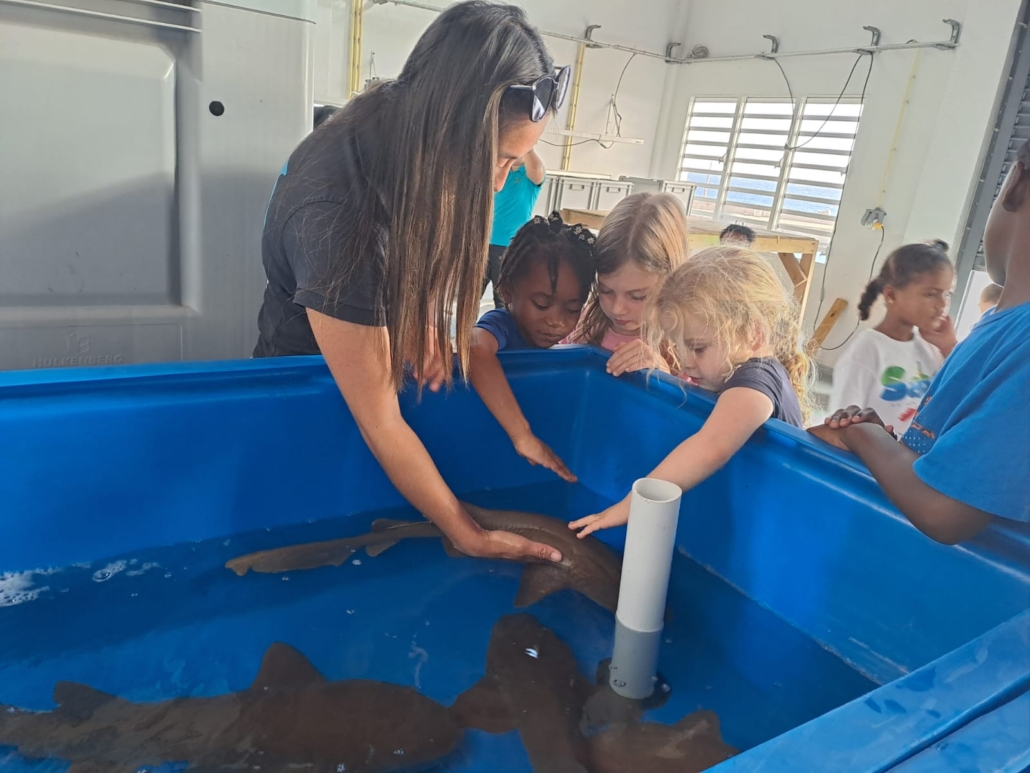
I feel most hopeful when I see the link between scientific data and community engagement. When you can show island communities and fishermen that the sharks, whales, the water and fish they see in their “backyard” are the same ones supporting the wider ecosystem and the blue planet, it creates a sense of pride and stewardship. That bridge between data and human connection keeps me going. Establishing a marine research station together with partners was a dream come true. I wanted a place where young, old, experts, or those early in their careers could come together and experience science and be inspired. Finding a way to connect people, science and nature. I am happy the baton has been passed on, but I look forward to getting back to that kind of work.
What are some of the most significant challenges women or girls face in science in your context?
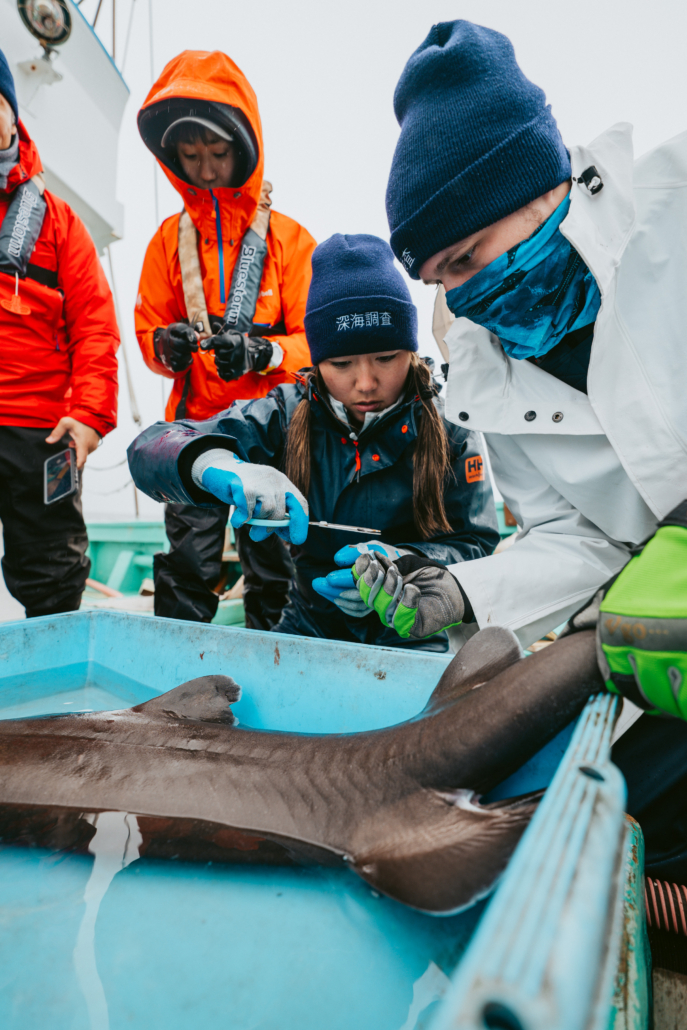
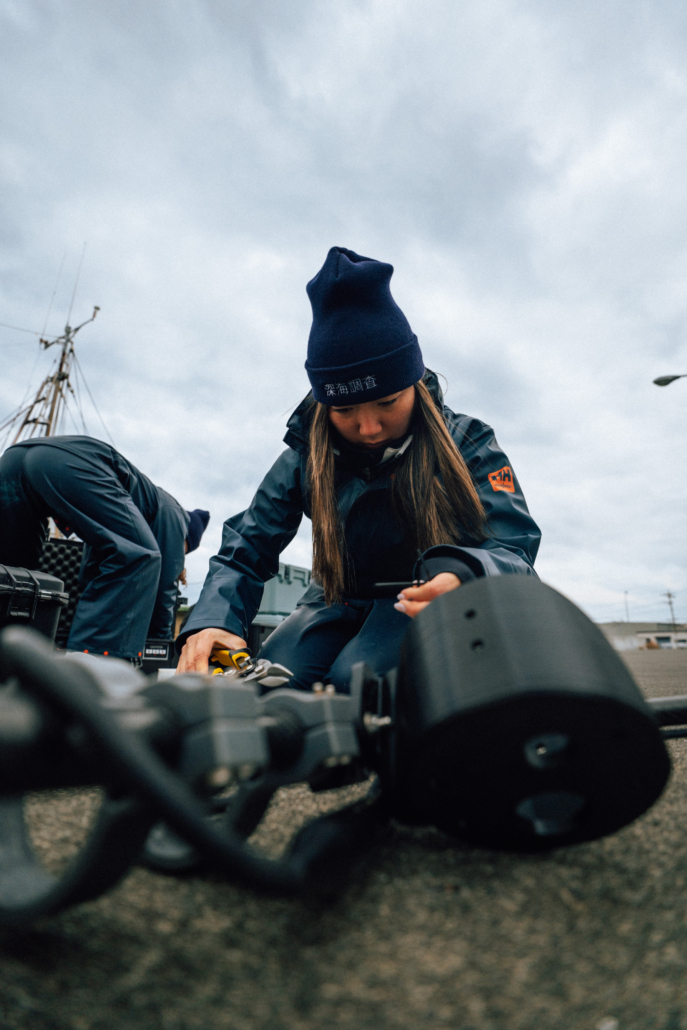
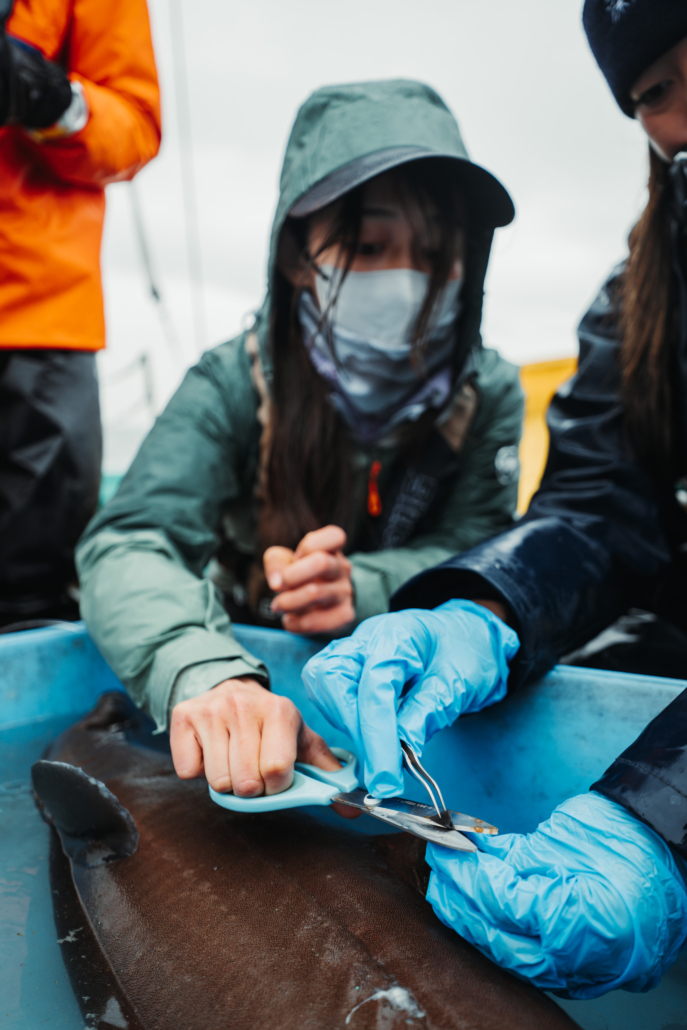
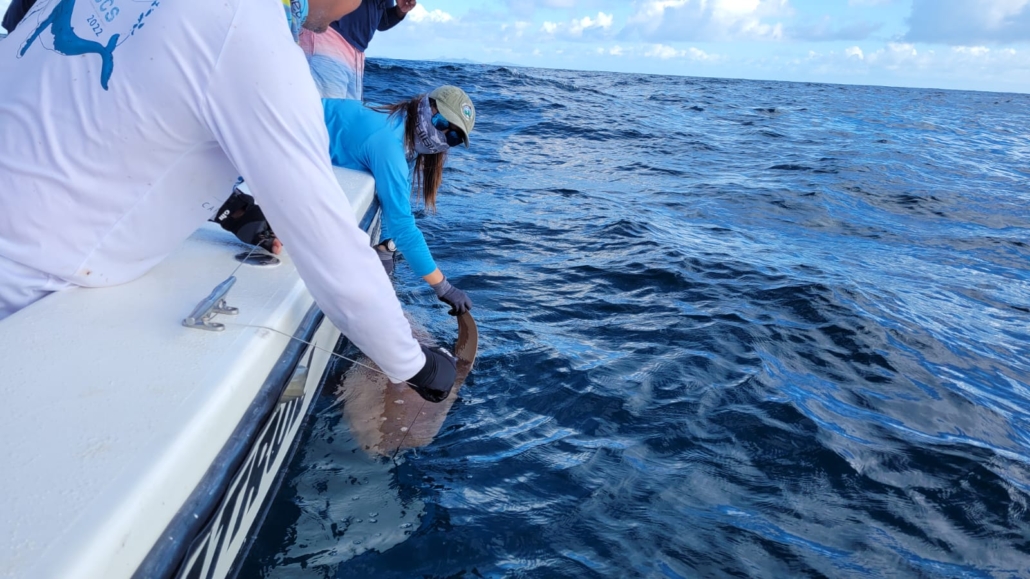
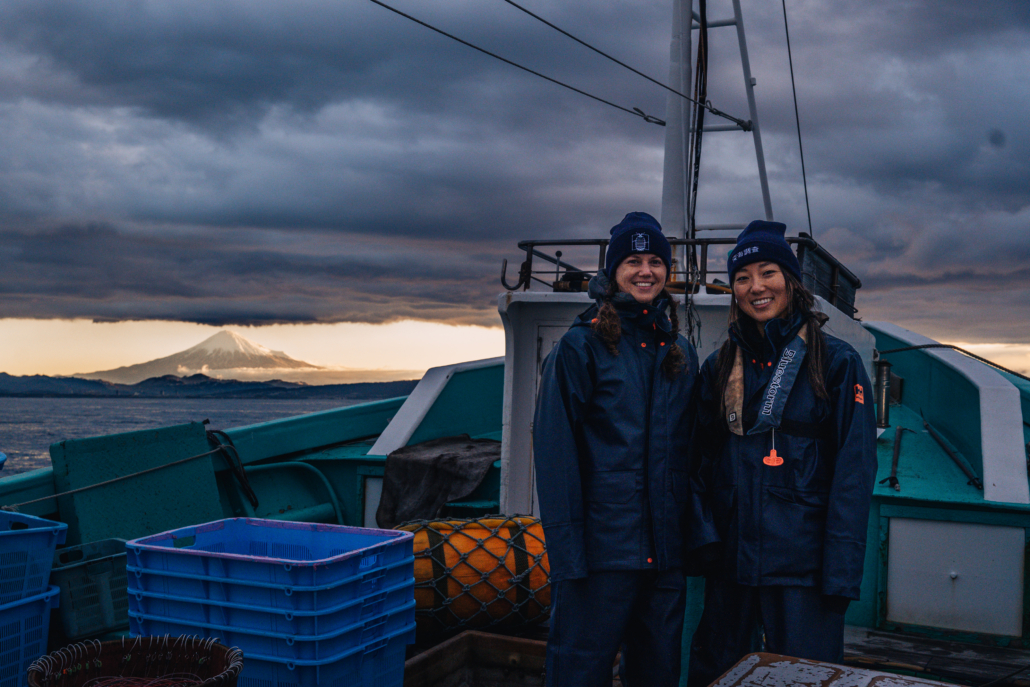
While working for seven years on Saba and in the field, I realized I was often one of the few women at the meeting table. Onboard with fishers, I was frequently the only woman. I experienced a similar dynamic during my time in Japan; in a team of many men, my female colleague, a PhD student, and I were the only women present. However, looking back, even though we were the “minority,” we were the strongest voices in the room. It taught me that we shouldn’t see being a woman in science as a position of a minority, but as a position of power.
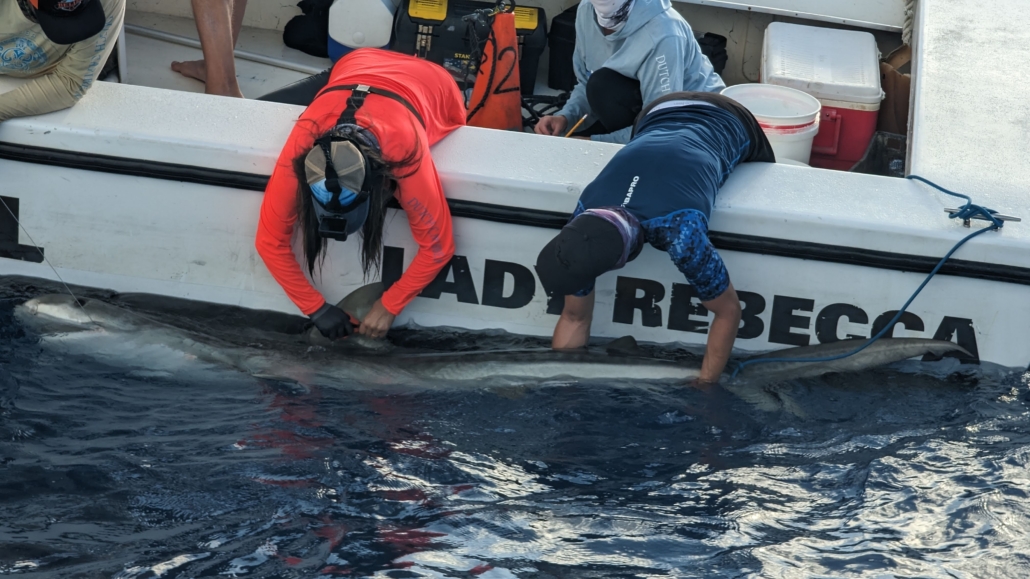
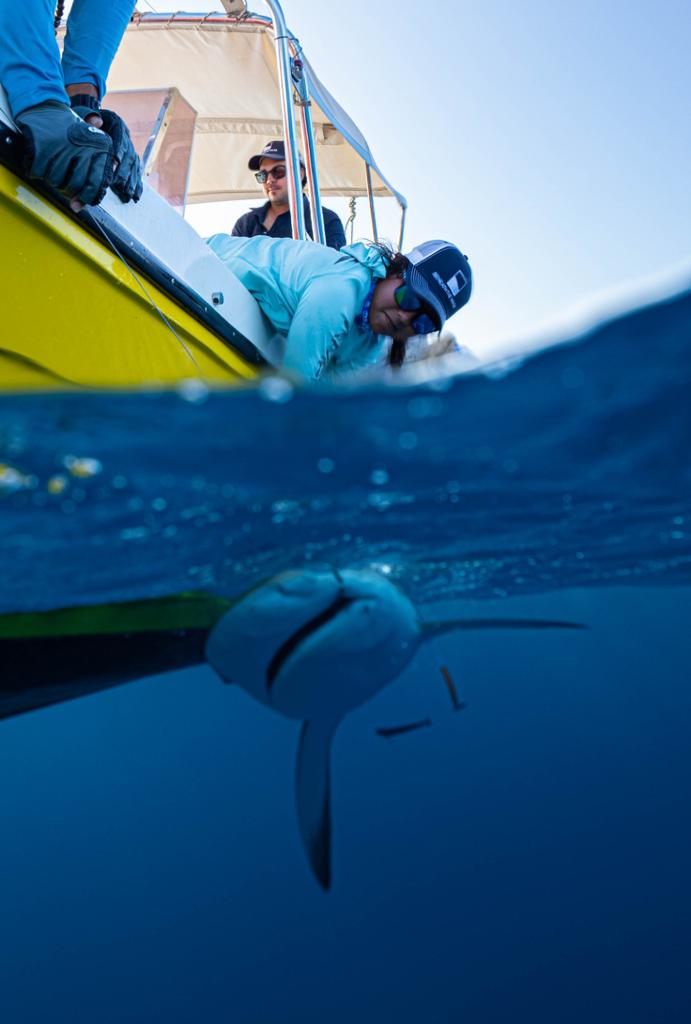
The path hasn’t always been smooth; I’ve faced moments of being overtly discounted or even shouted at in professional settings. These are often tactics used to undermine your confidence or expertise when you don’t fit the expected “mold.” I have been discounted because of my height or physical strength for the work I love most, working with (tiger) sharks, but I have proven that “size or physical strength does not matter.” What matters is the fire in your heart and the knowledge in your head applied strategically. We are often labeled as “tomboy-ish,” but I like to say we are “tomboys with sparkles.” There’s also the challenge of visibility, feeling like you have to choose between being a “serious” scientist and a multifaceted woman who enjoys travel and creativity. We can be both, we can be all if we want to. See challenges not to bring you down, but to quietly show your strength and power. Time will tell.
 What support, opportunities, or conditions have helped you succed?
Having mentors, supervisors, and friends who value “soft skills”, like communication and networking, as much as data analysis or academia has been vital. Friends who remind you that you are a “badass” are essential. Access to female-led networks where we can discuss these specific challenges openly has been a game-changer. Additionally, the shift toward digital storytelling has allowed me to bypass traditional gatekeepers and build my own platform, proving you can be a scientist and a creator/inspirator simultaneously. Most importantly, creating a safe space where we accept that while some limitations exist, they can be applied differently to achieve your goals. Don’t give up; find the community where you feel most valued.
What is one way organizations like GCFI could help women and girls feel more welcome, supported, or visible in fisheries and marine science?
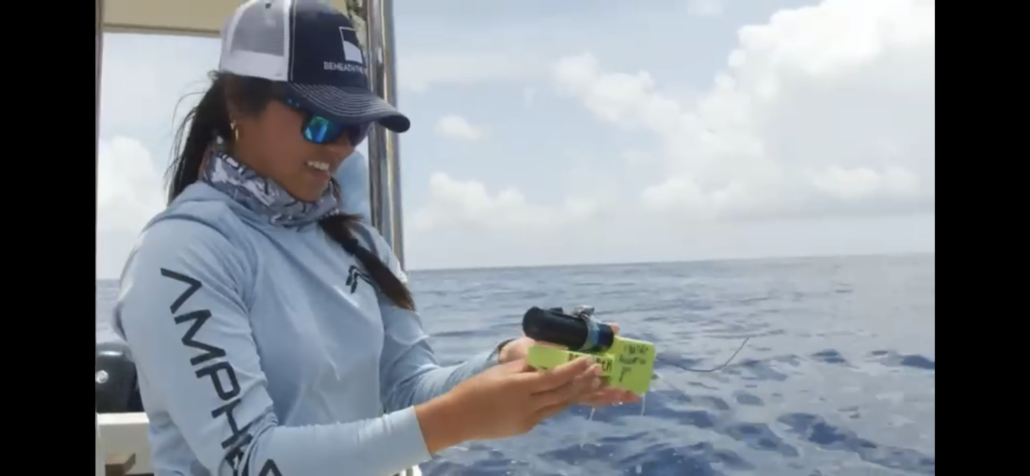
GCFI can lead by actively highlighting women in non-traditional roles, not just in the lab, but in the field, in policy-making, and in innovative science communication. Creating a dedicated mentorship program for “field-work navigation” (logistics, safety, and leadership in remote areas) would provide the support that often goes unaddressed. Simply publishing these stories online can inspire a girl to push through. Visually showing a woman doing work that society typically expects from a man is what truly changes perspectives.
Is there a woman in science, locally or globally, whose story has inspired you?
I am more inspired by the women I work with on the ground than by “celebrity” high publishing scientists. True passion is shown in the field, when a person is moving and interacting. The women in the Caribbean managing NGOs, running dive shops, and leading research teams with limited resources are my biggest inspirations. Their resilience in navigating local politics while protecting the ocean is a masterclass in leadership. Every one of them has taught me a lesson: Shannon at BTWaves, Charlie in France, Fadilah at GCFI, Emma at MPAconnect, Gia on Saba, Dahlia at DCNA, Paddy and Irene at the Dutch Elasmobranch Society, Rebecca in the DR, and Stacey at CCS and so many more.
What message would you share with girls considering a career in science or fisheries, especially those who may doubt they belong?
Don’t worry about fitting into the traditional image of a scientist. Science needs your unique perspective, your creativity, and your voice. If you feel like you don’t belong in the room, or your voice doesn’t matter, it’s probably because you’re meant to build a new one, not to speak louder. Never let being the only woman in the room make you feel small; let it be your power. Stay curious, stay authentic, and remember that your passion is your greatest qualification, not just the paper or title you are getting. I always say: “I don’t aim to influence, I aim to inspire. Keep being humble, but be a badass too and throw in a little sparkle.”